
Italy is a dream destination for couples looking to tie the knot in one of the most romantic settings in the world. With its sun-drenched vineyards, picturesque coastlines, and historic architecture, Italy offers a breathtaking variety of backdrops for wedding photos that will be cherished for a lifetime. But as you plan your perfect Italian wedding, there’s one important decision you may not have considered yet: should you choose film or digital photography for your special day?

This choice can shape the entire aesthetic of your wedding album. While both film and digital photography can produce stunning images, they each offer a different look, feel, and experience. Film photography is known for its soft, organic tones and timeless appeal, capturing moments with a distinct, nostalgic quality. On the other hand, digital photography provides versatility and precision, adapting easily to changing conditions and offering a vast array of editing possibilities.
For couples planning a destination wedding in Italy, this decision is even more crucial. The country’s varied landscapes, from the rolling hills of Tuscany to the dramatic cliffs of the Amalfi Coast, present unique opportunities and challenges for photographers. Choosing the right style can enhance the mood and magic of your photos, making them a true reflection of your wedding day. Whether you envision classic, artful portraits bathed in the warm glow of sunset or crisp, candid shots that capture every laugh and tear, understanding the differences between film and digital will help you make the best choice.
In this guide, we’ll explore the pros and cons of both film and digital photography, give you insight into where each style shines in an Italian wedding setting, and offer tips on how to decide which approach will best capture your love story. By the end, you’ll have a clear idea of how to select the perfect photography style for your dream Italian wedding, ensuring that every moment is preserved in a way that feels true to you and your partner.
Film vs. Digital: Which is Best for Your Italian Wedding?


Choosing between film and digital photography is not just about the camera, it’s about the story you want to tell. Film photography is often associated with a timeless, nostalgic feel, while digital photography offers modern versatility and speed. Both styles have their unique charm, and the right choice depends on your personal taste, the setting of your wedding, and the type of memories you want to capture.
Imagine your wedding in Italy: the sun setting over the Tuscan hills, casting a warm glow on the olive trees; or the waves of the Amalfi Coast crashing against the cliffs as you exchange vows. Film photography might capture the romantic, vintage vibe of these scenes, emphasizing the soft light and natural tones. On the other hand, digital photography can handle challenging lighting conditions and fast-paced moments, making it perfect for documenting the entire day with precision.
Let’s dive deeper into the advantages and disadvantages of each option.
Pros and Cons of Film Photography
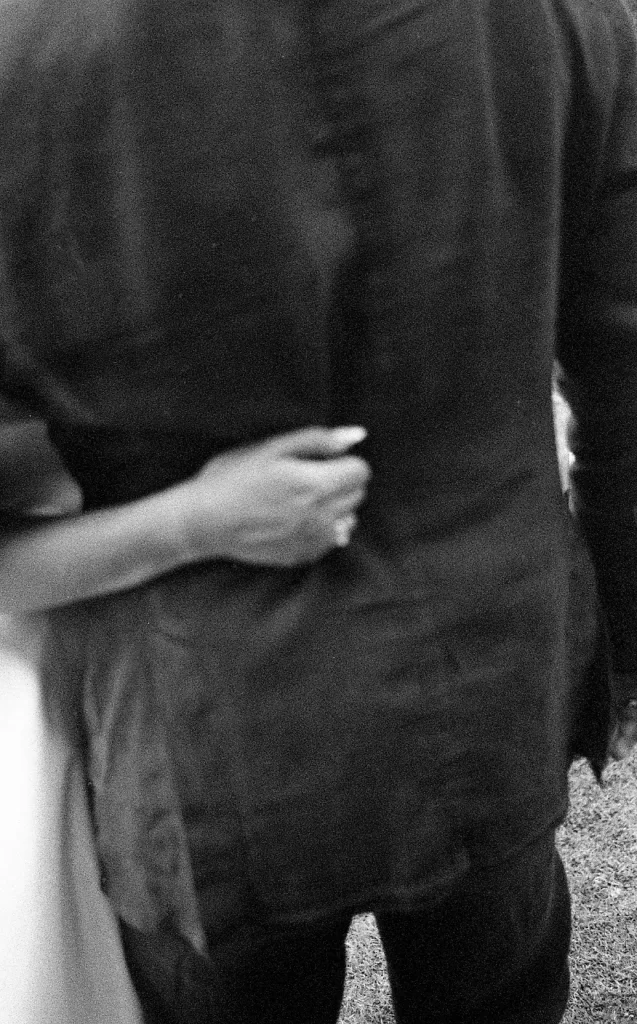
Film photography is often described as having a soul. It captures light in a way that feels organic, with subtle grain and unique color rendition. For couples who want their wedding photos to look like they belong in a classic photo album, film is a fantastic choice. It’s especially well-suited for destination weddings in Italy, where historic architecture and natural landscapes can enhance the timeless look of film.

Pros of Film Photography
1. Romantic and Nostalgic Feel: Film photography produces images that have a distinct, nostalgic quality. The grain, texture, and natural color palette make every shot look like a piece of art.
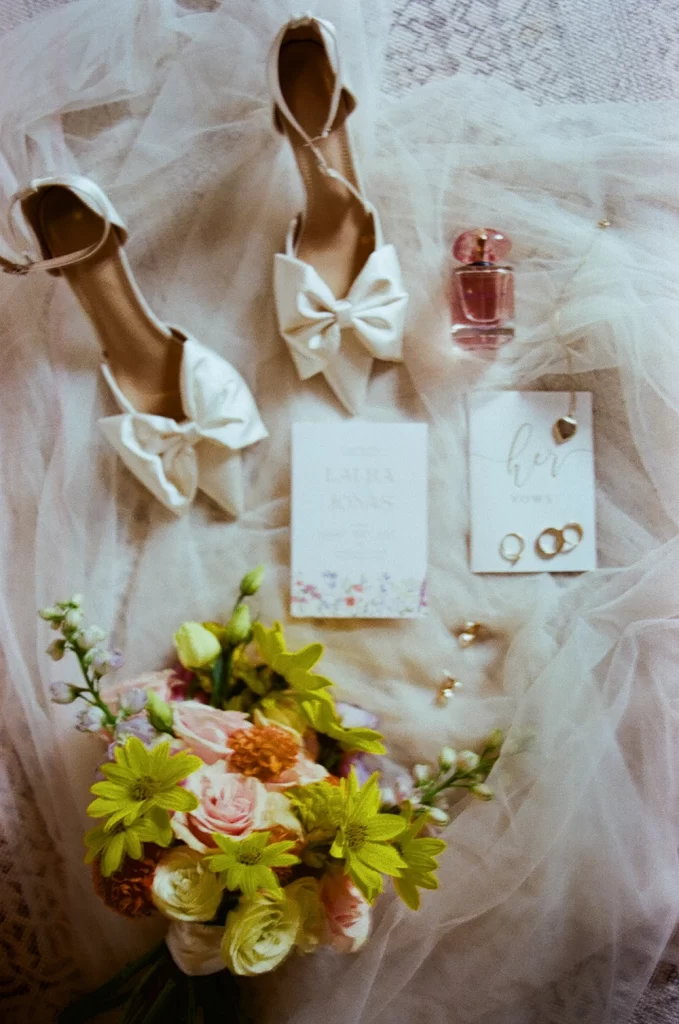
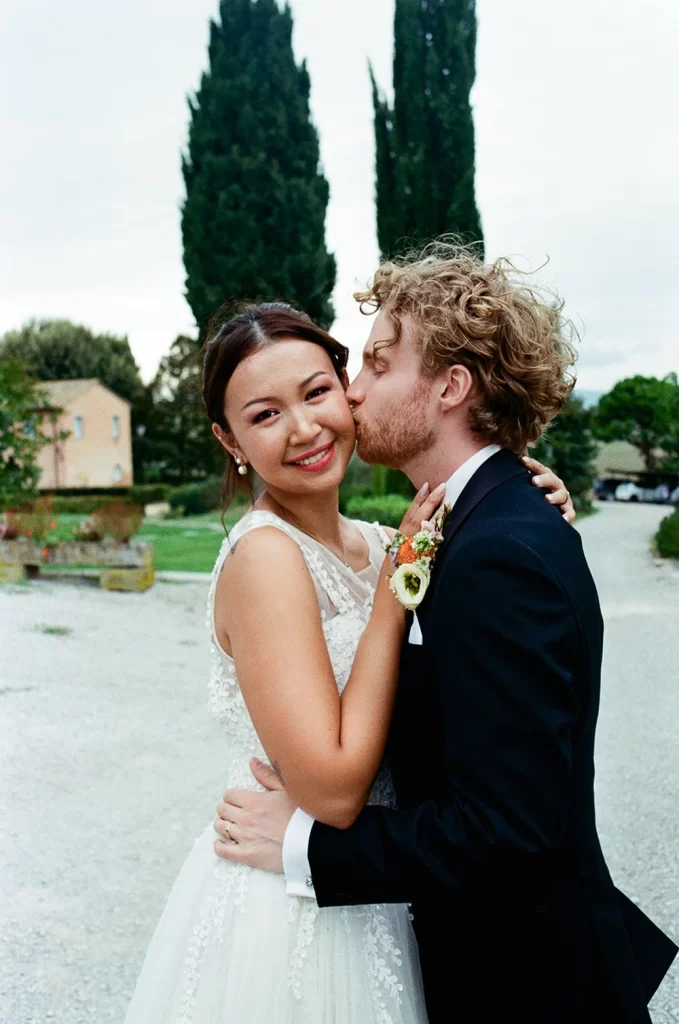
2. Authentic Colors and Skin Tones: Film captures colors in a way that feels true to life. It excels at rendering soft, pastel hues, making it ideal for capturing the warm tones of the Italian sunset, lush greenery, and the soft lighting of historic venues.
3. Timeless Quality: Unlike digital trends that can date quickly, film photography offers a classic, timeless appeal that will never go out of style. Your wedding photos will look just as beautiful decades from now as they do today.
4. Physical Negatives: Film photography provides tangible negatives that can be stored as a physical keepsake. This archival aspect is appealing for couples who want a lasting, physical reminder of their wedding day.
Cons of Film Photography
1. Higher Costs: The cost of film rolls, development, and the specialized equipment required can make film photography more expensive than digital. It’s important to factor this into your budget, especially for a destination wedding in Italy.
2. Limited Flexibility: With film, the photographer has a finite number of shots per roll. This limitation requires careful composition, but it also means fewer images overall.
3. Longer Processing Time: Developing and scanning film takes time. If you’re excited to see your photos right after the wedding, you might find the wait frustrating.
4. Potential Environmental Challenges: Italy’s weather can be unpredictable, especially in the summer. High humidity and extreme temperatures can affect the film, making it essential to choose an experienced photographer who knows how to handle these conditions.

Film photography has a unique ability to capture the romantic atmosphere of Italy’s classic wedding venues, making it an excellent choice for couples seeking timeless, artistic images. Imagine a villa wedding in Tuscany: the gentle rolling hills, sun-kissed golden fields, and centuries-old architecture all provide an idyllic backdrop that complements film’s soft, nostalgic aesthetic. Similarly, sunset ceremonies along the Amalfi Coast are elevated by the warm, golden light, which film captures with a delicate, dreamy quality, perfect for those magical moments by the sea or on a cliff’s edge. In historic cities like Rome and Florence, the muted tones and natural grain of film enhance the character and old-world charm of ancient churches, elegant villas, and grand palazzos, bringing out the authentic beauty of these storied locations. With film, the essence of these iconic Italian settings is preserved, lending a timeless feel to your wedding photos.
The Benefits of Digital Wedding Photography
While film photography is celebrated for its timeless, classic look, digital photography stands out for its remarkable flexibility, speed, and precision. In a destination as diverse as Italy, where the light can shift dramatically throughout the day, from the bright midday sun reflecting off the marble streets of Florence to the golden hour glow over the vineyards of Tuscany, digital photography excels at adapting to these changing conditions.

Weather can also be unpredictable, especially in coastal regions like the Amalfi Coast or the lakeside settings of Como and Garda, where sudden shifts in sunlight, clouds, or even unexpected rain showers can present challenges. Digital cameras, with their advanced sensors and real-time adjustments, offer the versatility needed to handle any scenario with ease, ensuring that no moment is missed, whether it’s a candid laugh at an outdoor ceremony or the intricate details of your décor in a dimly lit historic venue. For couples seeking a comprehensive, dynamic capture of their Italian wedding day, digital photography provides a reliable and adaptable solution, preserving the essence of each scene with clarity and vibrant detail.
Pros of Digital Photography
1. Versatility and Flexibility: Digital cameras can handle a wide range of lighting conditions, from bright midday sun to dimly lit indoor venues. This versatility makes digital photography ideal for Italian weddings, where the ceremony and reception might take place in different locations with varying lighting.
2. Immediate Results: One of the biggest advantages of digital photography is the ability to review and edit photos quickly. This is especially helpful if you want sneak peeks or want to share highlights with family and friends shortly after the wedding.
3. Unlimited Shots: With digital photography, there’s no limit to the number of photos that can be taken. This allows photographers to capture candid moments, spontaneous reactions, and all the little details that make your wedding day unique.
4. Advanced Editing Options: Digital photos can be enhanced with editing software to create different looks and styles. Whether you want a bright, airy aesthetic or a moody, cinematic feel, digital photography offers endless possibilities in post-production.
5. Easy Sharing and Storage: Digital files are easy to store, share, and back up. You can receive your photos in a digital gallery, making it simple to share them with family and friends online.

Digital photography excels at capturing the lively energy and varied landscapes of a destination wedding in Italy, making it an ideal choice for couples seeking to document their special day in dynamic, diverse environments. Picture a wedding by the sparkling waters of Lake Como, where the light constantly shifts as it reflects off the lake’s surface. While film might struggle with these rapid changes, digital cameras effortlessly adjust to capture the stunning scenery and the vibrant colors of this iconic setting.
In Tuscany’s vineyards, where the sun’s position alters the light throughout the day, moving from bright, direct sunshine to softer, shaded areas, digital photography’s adaptability shines, allowing for beautiful, consistent images regardless of the lighting conditions. In bustling city settings like Rome or Venice, where the pace is fast and the scenes are ever-changing, digital cameras are unmatched in their ability to capture spontaneous, candid moments as well as intricate details, preserving the spirit and energy of these historic urban backdrops. The versatility of digital photography ensures that every unique element of your Italian wedding is captured in vivid, precise detail.
Cons of Digital Photography
1. Potential for Over-Editing: While editing can enhance photos, there’s also a risk of over-editing, which can make images look artificial. It’s important to choose a photographer who has a subtle, natural approach to post-processing.
2. Less Organic Look: Although digital images can be edited to mimic film, they may lack the organic, imperfect qualities that make film photography unique.
3. Dependence on Technology: Digital photography relies on electronic equipment, which can be affected by battery issues or technical malfunctions. However, experienced photographers are prepared for these scenarios and typically carry backup gear.
Read also: Elopement in Tuscany: Vitaleta Chapel in Val D’Orcia
Combining Film and Digital for a Unique Look
If you’re torn between the romantic appeal of film and the versatility of digital, why not choose both? Many modern wedding photographers offer a hybrid approach, using both film and digital cameras to provide a diverse selection of images.
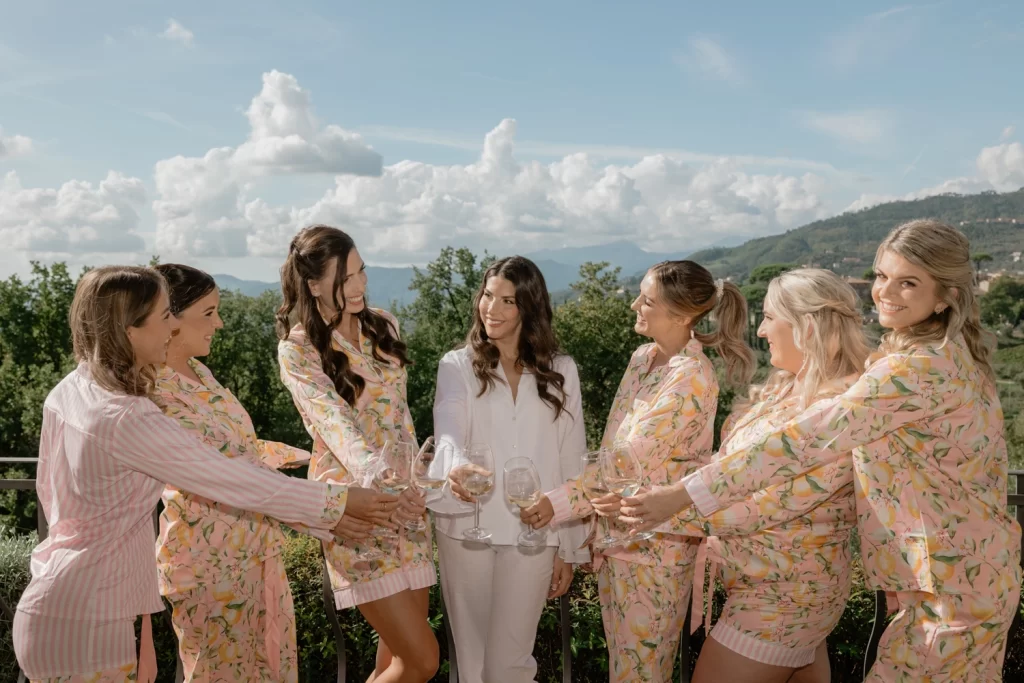
A hybrid approach to wedding photography, combining both film and digital, offers a unique and versatile way to capture your special day. This method allows for a beautiful variety in your wedding album, blending the emotional, artistic qualities of film with the precision and reliability of digital. While film provides those timeless, emotive shots that convey a sense of nostalgia and romance, digital photography ensures that every important moment is documented clearly and consistently.
This approach is particularly beneficial for a destination wedding in Italy, where the day often includes a range of settings, from sunlit outdoor ceremonies in lush gardens to dimly lit receptions inside historic venues. A skilled photographer can seamlessly switch between film and digital, selecting the ideal medium for each environment to best capture its unique mood and lighting. The combination of both techniques also enhances the creative potential of your photos, allowing the photographer to explore different styles, compositions, and techniques, ultimately delivering a diverse collection of images that tell the full story of your wedding day in a distinctive and memorable way.
If you’re considering a hybrid approach, look for a photographer with experience in both mediums. Ask to see their portfolio and discuss how they typically balance film and digital throughout the wedding day. It’s also helpful to plan which moments you want captured on film (such as portraits and intimate moments) and which are better suited for digital (such as group shots and fast-paced events).
Conclusion: Capturing Your Italian Wedding in the Style You Love
For many couples, the choice between film and digital may feel like a difficult one, but it’s important to remember that you don’t have to pick just one. A hybrid approach, blending the best elements of both film and digital photography, can provide a comprehensive and nuanced portrayal of your wedding day. With this method, you can enjoy the emotive, artistic shots of film alongside the crisp, vibrant captures of digital. This balanced approach allows your photographer to adapt seamlessly to different settings, using film for intimate portraits and those golden hour shots, while relying on digital for dynamic, candid moments and quick adjustments in changing light. The result is a diverse and beautifully cohesive collection of photos that tell the complete story of your wedding in Italy, combining the timeless with the contemporary.


Ultimately, the most important factor in choosing between film, digital, or a hybrid approach is finding a photographer whose vision aligns with yours. Take the time to explore their portfolio, discuss your preferences, and share your ideas. Whether you dream of photos that feel like they belong in a classic Italian movie or images that capture the vibrant, joyful spirit of your celebration, a skilled photographer will be able to bring your vision to life. Trust your instincts and select the style that resonates with your heart, because these photos will be a cherished reminder of your love and the unforgettable moments you shared in Italy.
In the end, your Italian wedding will be filled with emotion, beauty, and magic. By choosing the right photography style, you ensure that every fleeting moment, every laugh and tear, and every breathtaking view is captured just as you remember it, allowing you to relive the joy of your wedding day for years to come.
Read also: What you should expect from an Italian wedding photographer


