
Getting married along the breathtaking Italian coastline is a dream come true for many couples. From the sun-drenched cliffs of the Amalfi Coast to the pastel-hued villages of Cinque Terre and the serene beaches of Puglia, Italy offers an unparalleled backdrop for stunning wedding photography. But capturing the magic of a seaside celebration requires more than just a beautiful location—it takes the right lighting, composition, and planning. In this guide, we’ll share essential tips to ensure your wedding photos perfectly reflect the romance, elegance, and natural beauty of Italy’s iconic shores.
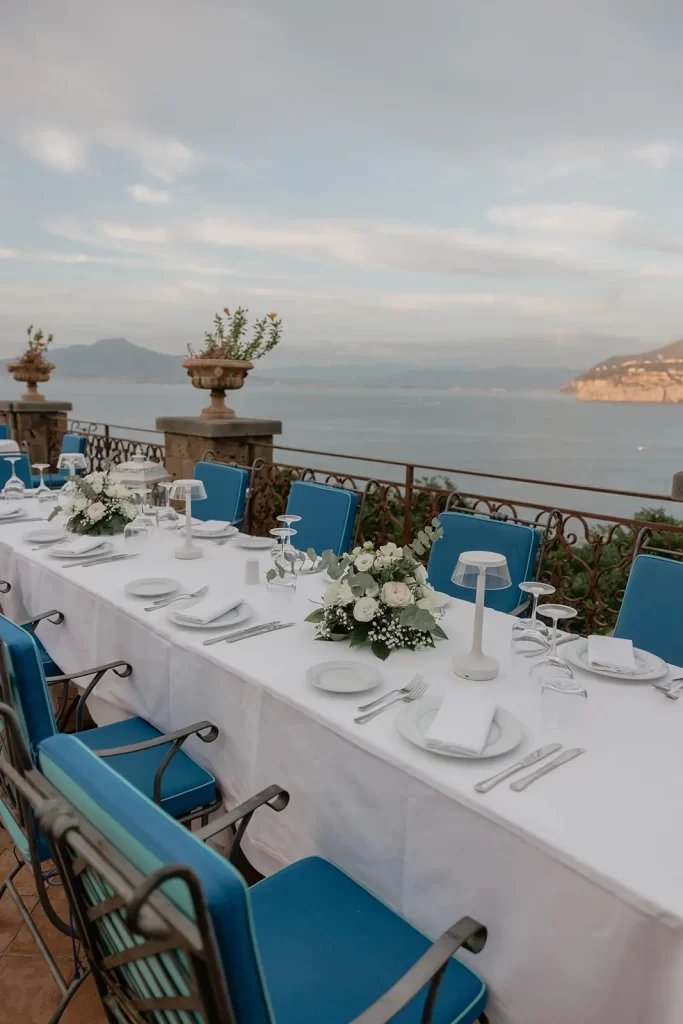

How to Photograph a Wedding on the Italian Coast
Italy’s coastline offers some of the most breathtaking backdrops for a wedding. From the Amalfi Coast’s dramatic cliffs to the serene beaches of Sardinia, the picturesque scenery enhances every moment of a couple’s special day. However, photographing a wedding on the Italian coast presents unique challenges and opportunities. Understanding the light, weather, and locations is key to capturing stunning wedding photography that couples will cherish forever.
In this guide, we’ll explore the best coastal locations for wedding photography, how to harness the natural beauty of the Italian seaside, and essential tips for working with the changing light and unpredictable weather that coastal weddings often bring.

Photographers must also consider the logistics of shooting in these iconic locations. Many coastal spots require permits for professional photography, especially in popular tourist areas. Additionally, accessibility can be a challenge, as some of the most scenic spots may require a bit of a trek or even a boat ride. Planning ahead and coordinating with wedding planners and venue managers can ensure that the shoot goes smoothly without any last-minute obstacles.
Best Coastal Locations for Wedding Photos
Amalfi Coast: Iconic Cliffside Views
The Amalfi Coast is one of the most sought-after wedding destinations in Italy. Its dramatic cliffs, colorful villages, and deep blue waters create an unforgettable setting. Key locations for wedding photos include:
- Positano: With its pastel-colored houses cascading down the cliffside, Positano offers a dreamy Mediterranean atmosphere. The narrow streets and boutique hotels provide stunning photo opportunities, whether capturing candid moments of the couple walking hand in hand or staging a romantic kiss overlooking the Tyrrhenian Sea.
- Ravello: Known for its lush gardens and stunning panoramic views, Ravello’s Villa Cimbrone and Villa Rufolo are perfect spots for romantic wedding portraits. The carefully manicured gardens, ancient stone walls, and breathtaking terraces add a regal touch to wedding photography.
- Atrani: A quieter alternative to Positano, Atrani provides charming seaside streets and a more intimate feel. Its small-town charm allows for heartfelt, personal wedding shots that feel both cinematic and timeless.
Read also: Wedding at Palazzo Avino Ravello, Amalfi Coast Wedding Italy
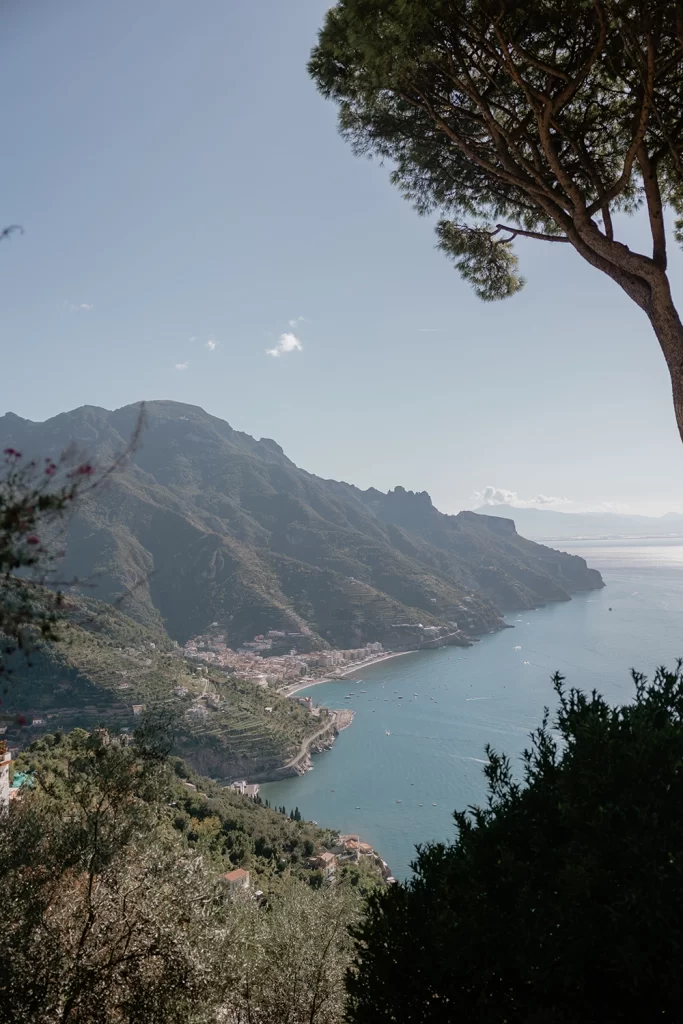

Cinque Terre: Vibrant and Enchanting Coastal Villages
Cinque Terre, a UNESCO World Heritage Site, is famous for its five picturesque fishing villages perched along the Ligurian coastline. For wedding photography, consider:
- Vernazza: The colorful harbor and castle ruins make for stunning sunset shots. The interplay of light and shadow here creates a warm, intimate feel, perfect for capturing emotional moments between the couple.
- Manarola: Known for its iconic viewpoint, this village offers a striking contrast between the vibrant buildings and the deep blue sea. A sunset shot here, with the waves crashing against the rocks, can be absolutely breathtaking.
- Riomaggiore: A charming backdrop of narrow streets, rugged cliffs, and scenic sea views. The village’s rustic architecture and dramatic coastline lend themselves beautifully to artistic, moody wedding photography.

Sardinia: Crystal-Clear Waters and White Sand Beaches
For couples dreaming of a beach wedding, Sardinia is an ideal destination. Its pristine beaches and turquoise waters provide a breathtaking setting. Top spots for wedding photography include:
- Costa Smeralda: Luxurious and exclusive, this area features stunning beaches like Spiaggia del Principe and Capriccioli Beach. The white sands and clear waters make for ethereal, fairytale-like wedding photos.
- La Maddalena Archipelago: A collection of islands with unspoiled landscapes and hidden coves perfect for intimate photo sessions. The light here, especially at sunrise and sunset, is exceptional, lending itself to soft, dreamy portraits.
- Chia Beach: Known for its golden sand dunes and crystal-clear waters, offering a serene and natural backdrop. This spot is perfect for boho-chic weddings, where couples want a relaxed yet elegant vibe.

Sicily: Dramatic Landscapes and Historic Coastal Towns
Sicily, the largest island in the Mediterranean, offers a stunning mix of ancient ruins, dramatic coastlines, and picturesque beaches. Top locations for wedding photography include:
- Taormina: Perched on a hill overlooking the Ionian Sea, Taormina offers breathtaking views, ancient Greek ruins, and lush gardens. The Teatro Antico provides a historic and cinematic setting for wedding photos.
- Scala dei Turchi: This striking white limestone cliff near Agrigento is a one-of-a-kind backdrop, perfect for capturing elegant, dramatic shots of the couple against the sea.
- Cefalù: A charming seaside town with a medieval cathedral, golden beaches, and cobbled streets that create an intimate and timeless atmosphere for wedding photography.
- Favignana: Part of the Egadi Islands, Favignana is known for its crystal-clear waters and hidden coves, offering a secluded and romantic setting for wedding portraits.
- San Vito Lo Capo: This Sicilian gem features pristine white sands and turquoise waters, often compared to Caribbean beaches. The surrounding cliffs and historic lighthouse provide diverse backdrops, making it ideal for both intimate and grand wedding photography sessions.
The Venetian Lagoon: A Romantic Coastal Alternative

While Venice is known for its canals, its surrounding lagoon provides a stunning coastal wedding setting. Consider:
- Burano: With its brightly colored houses, Burano offers a cheerful and unique setting for wedding photography. The colorful walls create a joyful contrast, making wedding attire pop beautifully.
- Torcello: A more secluded location with ancient ruins and a peaceful atmosphere. It’s perfect for couples who want a historic yet intimate setting for their photos.
- Lido di Venezia: A beachside alternative for couples who want a mix of coastal and cityscapes in their wedding album. The contrast between elegant Venetian architecture and the open seaside makes for a diverse and captivating wedding album.
Read also: The best italian cities for stunning wedding photos
Flash Photography with a Sea Background
Flash photography with a sea background presents a unique set of challenges and opportunities that require a nuanced approach to technique. The goal is to create a balance between the natural beauty of the surrounding landscape and the artificial light needed to illuminate the couple. A key challenge is to ensure that the couple is lit in a way that feels natural, while also preserving the rich blues and dynamic hues of the sea, especially during golden hour or sunset when the light is at its most captivating. One way to achieve this balance is by using a soft, diffused flash that fills in the shadows gently, providing enough light to highlight the couple’s features without overpowering the scene. This becomes particularly important in backlit scenarios where the setting sun can create dramatic contrasts and make the couple appear too dark in comparison to the bright sky and water.


Off-camera flash is a particularly effective tool in these situations, as it allows the photographer to position the light source in a way that adds depth and dimension to the image. By carefully controlling the direction and intensity of the flash, the photographer can avoid the all-too-common pitfall of having the couple blend into the background or appear flat against the expansive horizon. In addition, using gels on the flash can be a game-changer when it comes to maintaining the warmth of the ambient light. These gels help to preserve the natural golden tones of a sunset or the soft pink hues of a dawn sky, ensuring that the final image feels harmonious and romantic. The warmth from the ambient light can complement the couple’s skin tones, while the flash adds just the right amount of definition.
Furthermore, experimenting with lower flash power settings can help achieve a more subtle, flattering effect. This not only enhances the natural beauty of the scene but also ensures the artificial light doesn’t compete with or detract from the sea and sky’s vibrant colors. A well-placed, low-power flash can create a soft, ethereal glow that accentuates the couple without feeling intrusive, enhancing the overall mood of the photograph. By adjusting the flash settings and experimenting with different light positions, photographers can craft images that feel both intimate and expansive, allowing the couple to stand out against the breathtaking backdrop of the sea without losing any of the natural beauty of the environment. Through thoughtful technique and creative lighting choices, flash photography with a sea background can result in stunning, dynamic images that capture both the love between the couple and the magnificence of nature around them.
Read also: Ultimate guide to posing for wedding photos
The Italianity of Coastal Villages
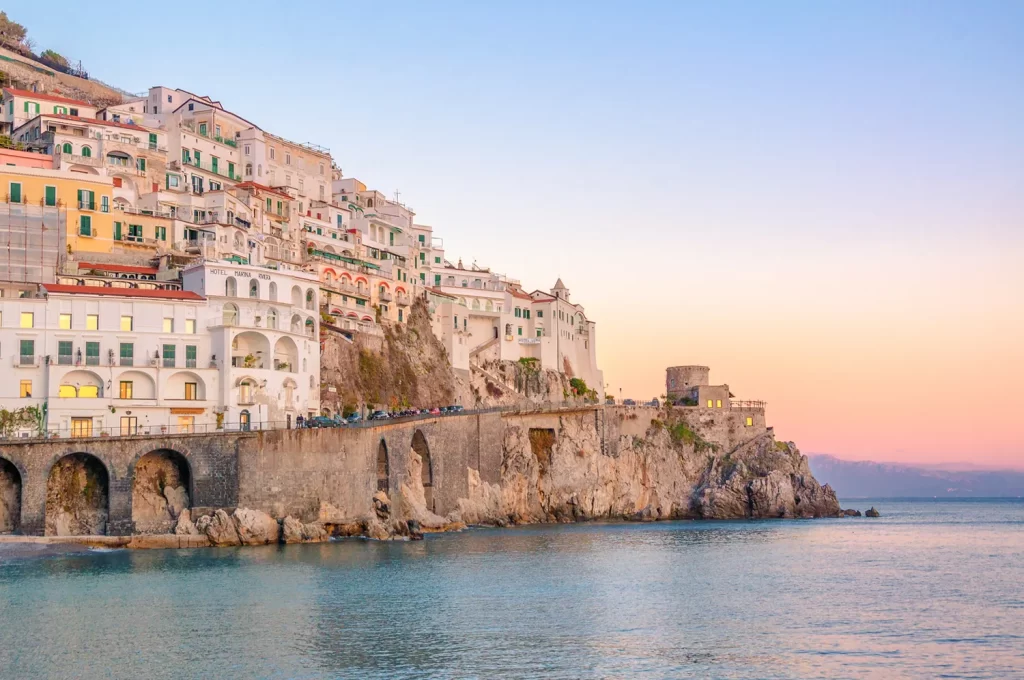
Italian coastal villages offer an unparalleled charm, a perfect fusion of history, culture, and awe-inspiring landscapes. From the sun-kissed terraces of the Amalfi Coast to the lively fishing harbors of Sicily, these towns encapsulate the very soul of Italian life. Narrow cobblestone streets, often winding through olive groves and vineyards, are lined with fragrant lemon trees, and small family-run trattorias serve up some of the freshest seafood you can imagine. The aroma of freshly brewed espresso mingles with the scent of salt from the Mediterranean breeze, creating a sensory experience unlike any other. The coastal cliffs, dotted with brightly colored houses, seem to tumble into the turquoise waters, creating a dramatic contrast against the lush green hillsides.
Each village is steeped in centuries of history, with charming churches, ancient ruins, and timeworn facades that hold stories of generations. But it’s not just the setting that makes these places so enchanting. It’s the warmth and hospitality of the people, who have lived for generations in this beautiful rhythm of life, sharing their traditions, their laughter, and their simple joys. The close-knit communities celebrate life with festivals, music, and food, and they pass down their skills—whether it’s the art of making pasta or crafting delicate ceramics—to keep their culture alive. The authenticity of this coastal life, combined with its stunning scenery and deep cultural heritage, gives wedding photography a unique, timeless quality, allowing couples to capture moments that feel not just personal, but deeply embedded in the living tapestry of Italy‘s coastal legacy. Every image tells a story of love, history, and beauty, creating a narrative that will resonate for generations to come.
Conclusion

Coastal wedding photography in Italy offers a truly magical experience, blending natural beauty with rich cultural heritage. Whether capturing the golden hues of a Cinque Terre sunset, the elegance of a Ravello garden, or the pristine waters of Sardinia, each location provides a unique backdrop that elevates a couple’s special day. For photographers, the challenge lies in adapting to varying light conditions, navigating unpredictable weather, and creatively incorporating the surroundings into every shot. Thoughtful preparation, creativity, and a deep appreciation for Italy’s diverse landscapes are essential in crafting a wedding album that transcends time.
For couples, these images become more than just photos; they are visual narratives of their love story, encapsulating emotions, beauty, and the breathtaking scenery of one of the world’s most romantic destinations. With the right approach and a keen eye for detail, coastal wedding photography in Italy becomes an art form that immortalizes the magic of saying “I do” by the sea.


