
Sicily is the part of Italy that surprises people most. Couples who come here expecting something like Tuscany or the Amalfi Coast find instead something older, stranger, and more intense. The light is different. The landscape is different. The architecture is different. And the photographs, when the conditions are right, are unlike anything else you can make anywhere else in Italy.
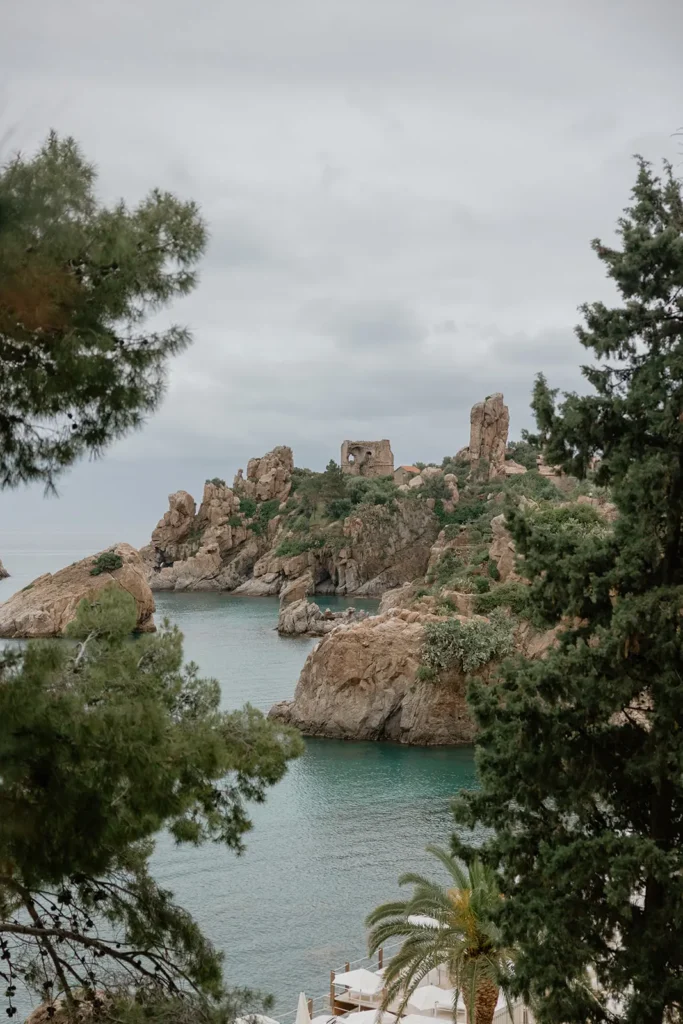
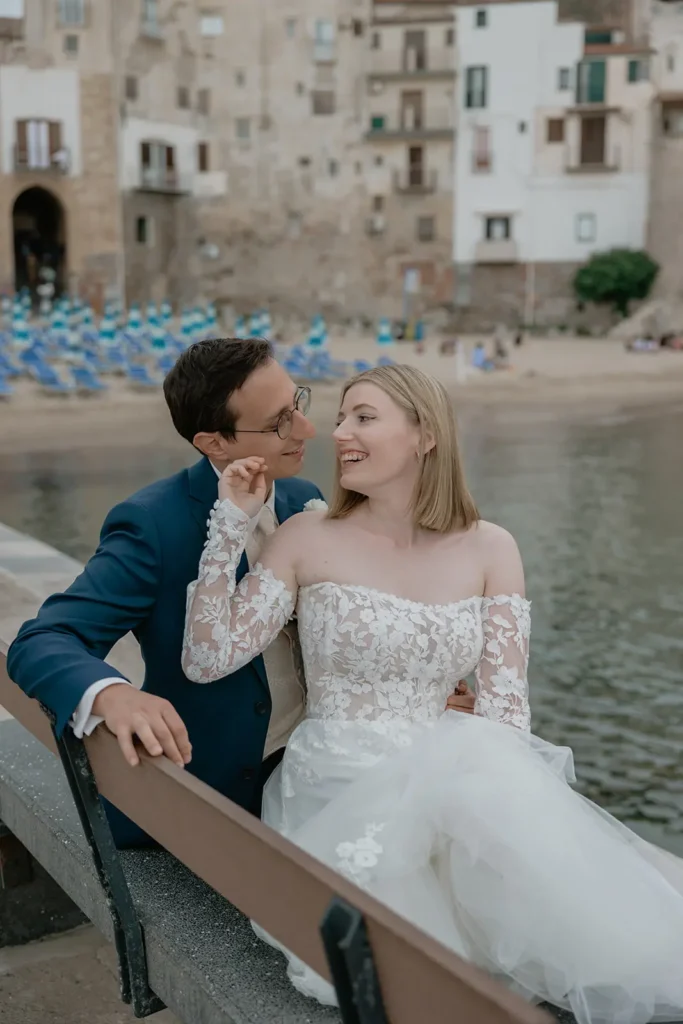
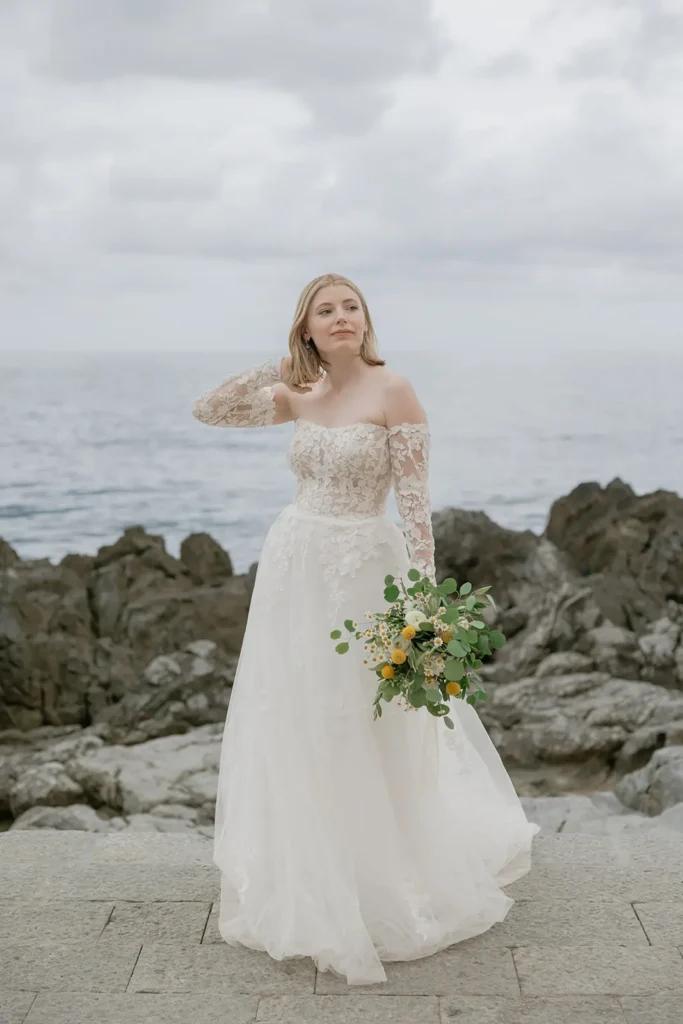
I have photographed in Sicily, on the northern coast near Cefalù, and what I remember most is the quality of the morning light over the sea. The water there is a particular shade of blue that does not exist further north, and the way the light falls on the pale stone of the old town in the hour after sunrise is something I had not seen before and have thought about often since. Sicily is not an easy destination photographically, the midday light is brutal, the logistics require more planning than most Italian locations, and the distances between the island’s major destinations are significant. But for couples who are willing to work with these conditions rather than against them, Sicily offers rewards that are genuinely extraordinary.
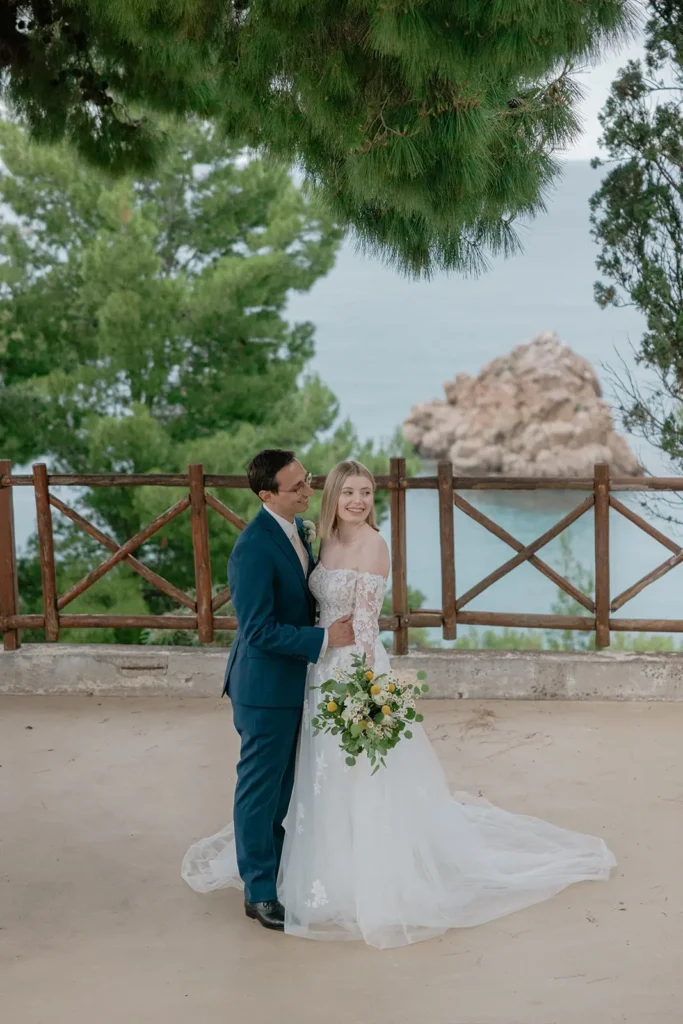
This guide covers what I have learned about photographing in Sicily, and what couples planning a wedding here should understand about the island’s light, its major locations, and how to plan a photography experience that does justice to one of the most visually compelling places in the Mediterranean. If you are still deciding between regions, my guide to destination wedding photography in Italy covers the broader picture before you commit to a specific location.
Sicily as a Photography Location: What Makes It Different
Sicily sits closer to North Africa than to Milan, and the light reflects this geography. The sun is higher and more intense than anywhere else in Italy, which means the challenges and the opportunities are both amplified. The golden hour in Sicily is extraordinary, the low-angle light at the end of the day turns the island’s yellow limestone golden in a way that has no equivalent further north. But the hours between ten in the morning and five in the afternoon require careful management. Direct midday sun in July or August in Sicily is not just harsh photographically, it is genuinely demanding for everyone present.
The island’s visual character is defined by three things: the sea, the stone, and the Greek and Arab architectural heritage that exists nowhere else in Italy. Baroque churches in Noto and Ragusa Ibla, Greek temples in Agrigento, Byzantine mosaics in Palermo; these are not simply beautiful backdrops. They are evidence of a history so layered and complex that it gives every image a weight and resonance that more conventionally romantic locations cannot match.
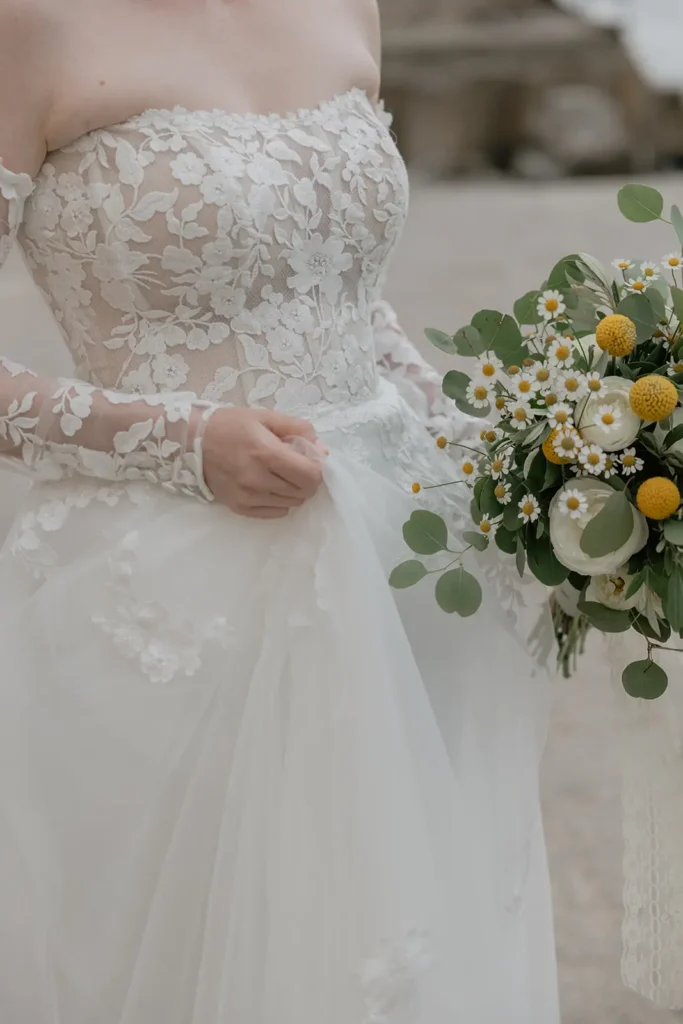
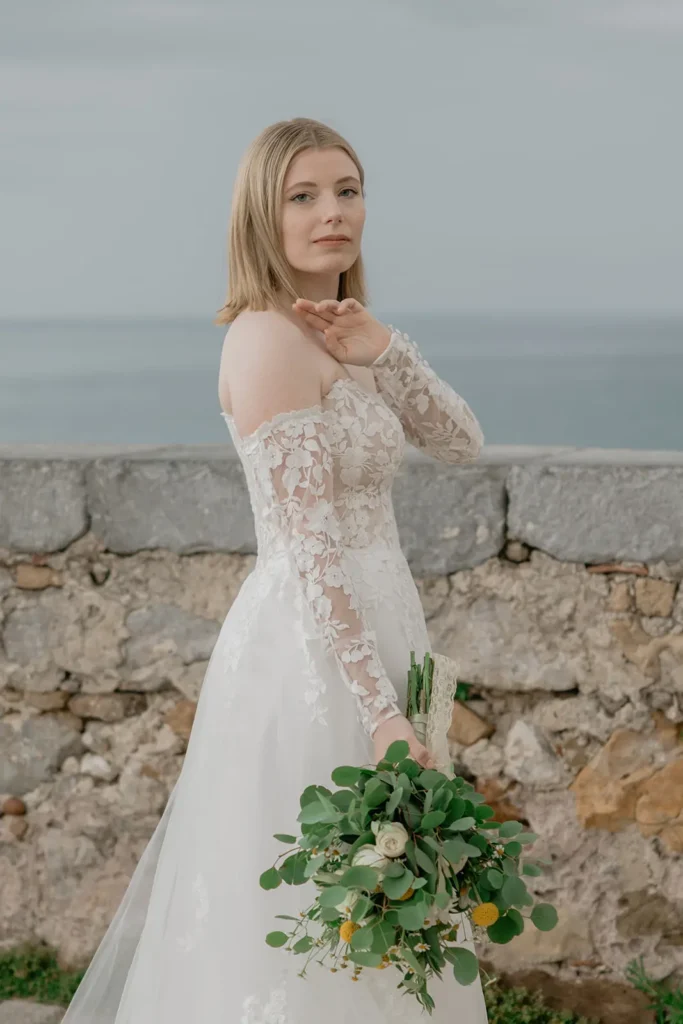
For couples who want photographs that feel genuinely different from every other Italian wedding they have seen, Sicily is the answer. The island is still relatively underused as a wedding destination compared to Tuscany or the Amalfi Coast, which means the locations are less crowded, the images feel fresher, and the sense of discovery is real. Understanding how light works in Italian wedding photography is essential before planning any session in Sicily, where the conditions are more extreme than anywhere else in the country.
The Best Locations in Sicily for Wedding Photography
Cefalù
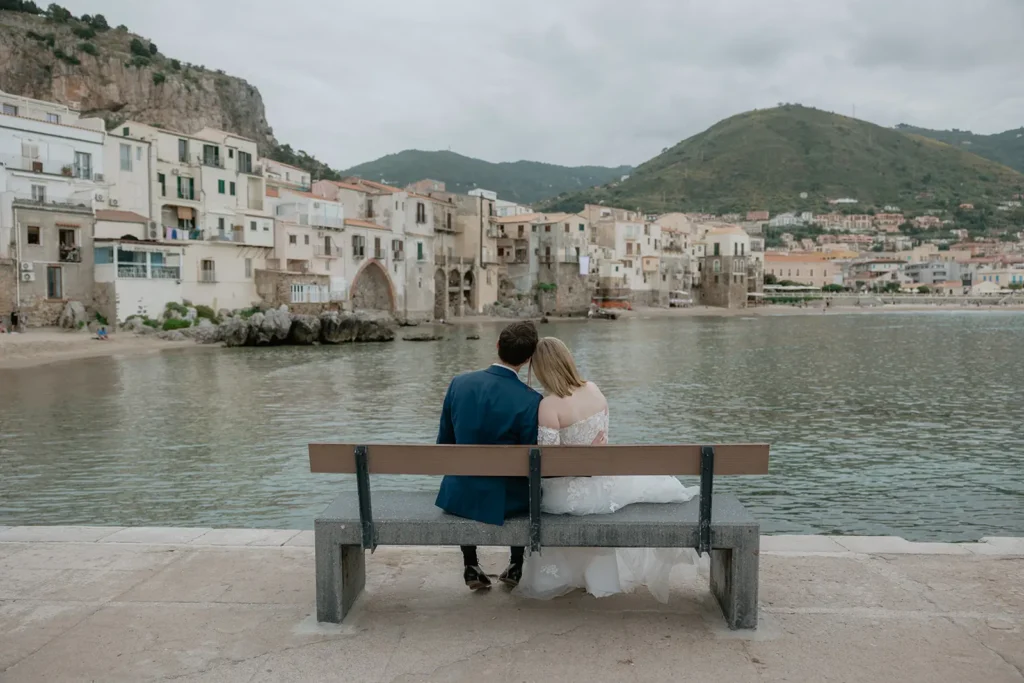
Cefalù is a medieval fishing town on the northern coast, built around a massive Norman cathedral that dominates the skyline and a dramatic rock promontory that rises directly from the sea. I have photographed here and what I can tell you from direct experience is that the light on the old town in the early morning is extraordinary. The narrow streets behind the cathedral, where the buildings are pale stone and the light falls in diagonal shafts between them, offer some of the most naturally beautiful backdrops I have encountered anywhere in Italy.
The beach at Cefalù, with the cathedral and the Rocca behind it, is the iconic image of the town and for good reason. At sunrise, before the beach fills with day visitors, it is genuinely spectacular. The combination of medieval architecture, clear northern Sicilian sea, and the quality of early morning light makes Cefalù one of the most photographically rich small towns in Italy. The practical consideration for couples: Cefalù is compact and walkable, which makes it easier to move between locations quickly. The historic centre has limited vehicle access, so coordinate logistics with your photographer in advance.
Taormina
Taormina is the most celebrated wedding destination in Sicily and the most immediately cinematic. The town sits on a cliff above the Ionian Sea with views across to Calabria and, on clear days, the snow-capped cone of Etna rising behind everything. The Greek theatre, one of the most complete ancient theatres in the world, occasionally permits private events and provides a backdrop that has no equivalent in the Mediterranean.
The light in Taormina faces east across the Ionian Sea, which means the morning light here is particularly strong and clear. The terraced gardens, the Corso Umberto with its baroque palaces, and the viewpoints above the town toward Etna all offer extraordinary photographic potential. Taormina rewards early starts more than almost any other location in Sicily, by nine in the morning in summer the town is filling with tourists, and by midday it is extremely crowded. For couples interested in how to build a photography timeline around locations like this, my guide to creating a seamless wedding day timeline covers the main principles clearly.
Noto and the Val di Noto Baroque
Noto, in the southeast corner of the island, is one of the most architecturally coherent towns in Italy. Rebuilt entirely after the earthquake of 1693 in a single unified Baroque style, the town’s main street, Corso Vittorio Emanuele, is essentially a stage set of golden limestone facades, churches, and palaces that faces west and catches the late afternoon sun with extraordinary warmth. Noto’s cathedral and the staircase of San Domenico are among the most photographically compelling spaces in Sicily.
The Val di Noto, which includes Ragusa Ibla, Modica, and Scicli as well as Noto, is a UNESCO World Heritage Site and offers a concentration of Baroque architecture that is unique in Europe. For couples who want images that feel genuinely different from the Tuscan or Amalfi Coast aesthetic, this corner of Sicily is the most compelling alternative in Italy.
Agrigento — the Valley of the Temples
The Valle dei Templi at Agrigento is one of the most remarkable archaeological sites in the world, a series of Greek temples from the fifth century BC in extraordinary states of preservation, set on a ridge above the sea. Photography here is subject to the site’s rules and permit requirements, and private events require advance coordination with the archaeological park authority. But for couples who are drawn to the idea of a wedding in the shadow of ancient history, there is nothing in Italy that matches the scale and drama of the Temple of Concordia at sunset.
The Aeolian Islands
Panarea, Salina, and Stromboli, the smaller islands north of Sicily, offer a completely different visual character from the main island. Whitewashed houses, black volcanic stone, terraced vineyards, and the particular clarity of the light over open water. Stromboli’s active volcano, visible from many parts of the islands, adds a drama to the landscape that is unique in Italy. The logistical complexity of island weddings is significant, everything and everyone arrives by boat, but for couples who want absolute exclusivity and a genuinely extraordinary setting, the Aeolian Islands are worth serious consideration. For a broader sense of how I approach remote and unusual locations, my guide to multi-day weddings in Italy is worth reading before planning an island wedding.
Practical Advice for Planning Wedding Photography in Sicily
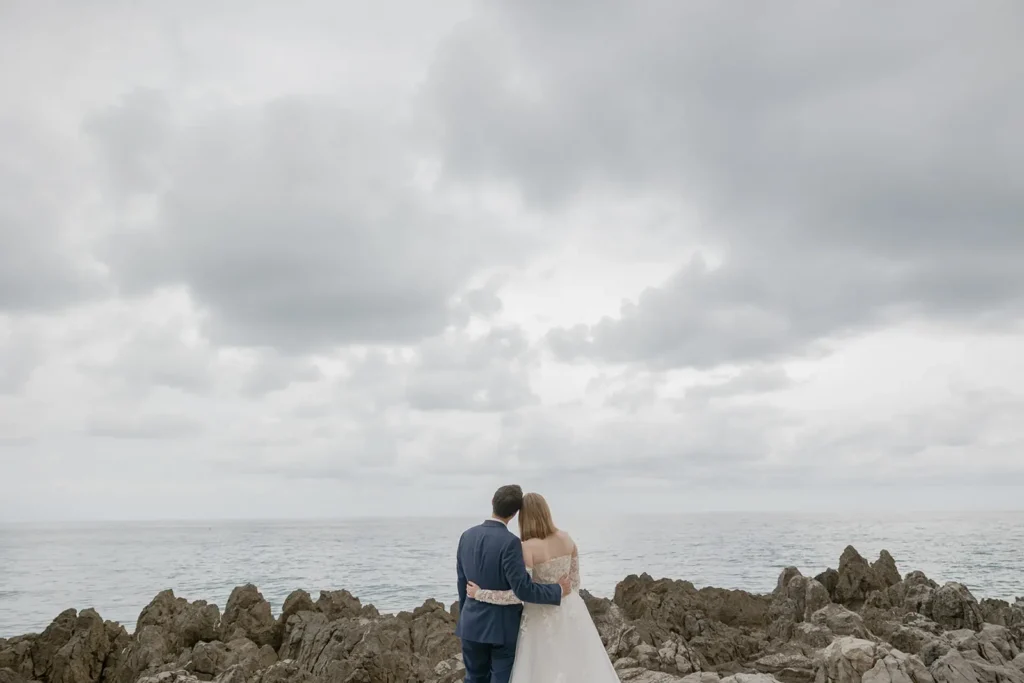
The heat. Sicily in July and August is genuinely hot, regularly above 35 degrees, sometimes above 40. This affects your photography timeline significantly. Morning sessions before ten and evening sessions after five are the only windows where outdoor photography is comfortable for everyone. Plan your day around the heat rather than fighting it, and discuss this with your photographer in advance so the timeline reflects the island’s conditions. Understanding the best seasons for wedding photography in Italy is particularly important for Sicily, where the seasonal differences are more extreme than elsewhere.
The distances. Sicily is larger than most couples realise. The drive from Palermo to Taormina takes nearly three hours. From Catania to Agrigento is two and a half hours. If your wedding venue is in one part of the island and you want to photograph at a location in another, factor this into your planning. It is worth focusing your photography on the area where your venue is located rather than trying to cover multiple regions in a single day.
Permits and access. Many of Sicily’s most significant archaeological and architectural sites are managed by regional or national authorities and require permits for professional photography and private events. The Valle dei Templi, the Greek theatre at Taormina, and certain churches and historic buildings all have specific requirements. A photographer or planner based in Sicily will know how to navigate these, it is not a reason to avoid these locations, but it is something that needs to be arranged well in advance.
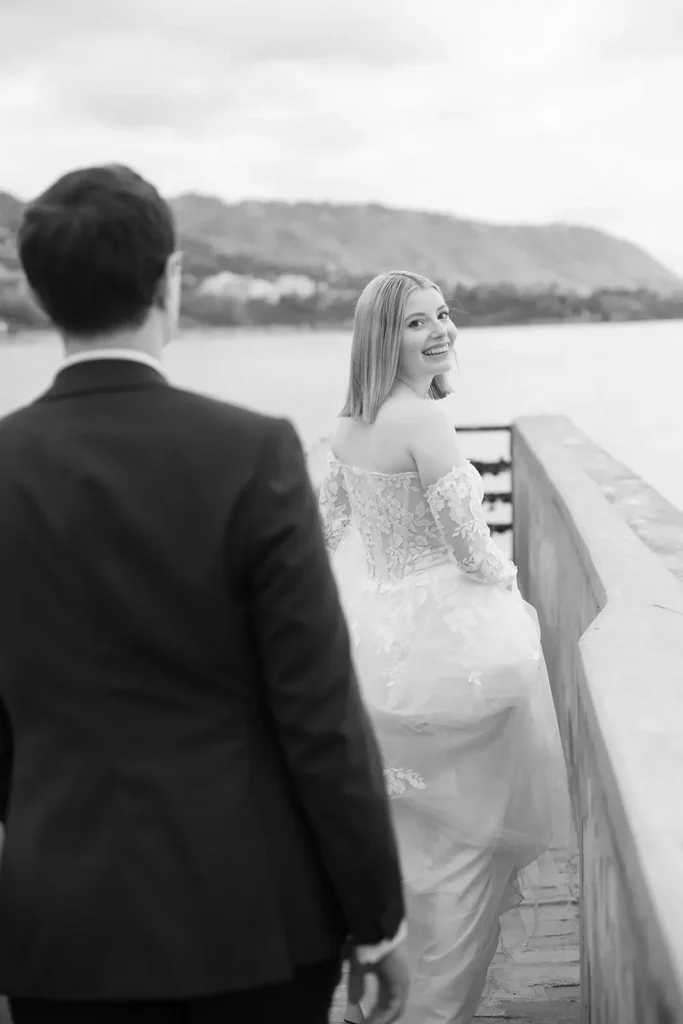
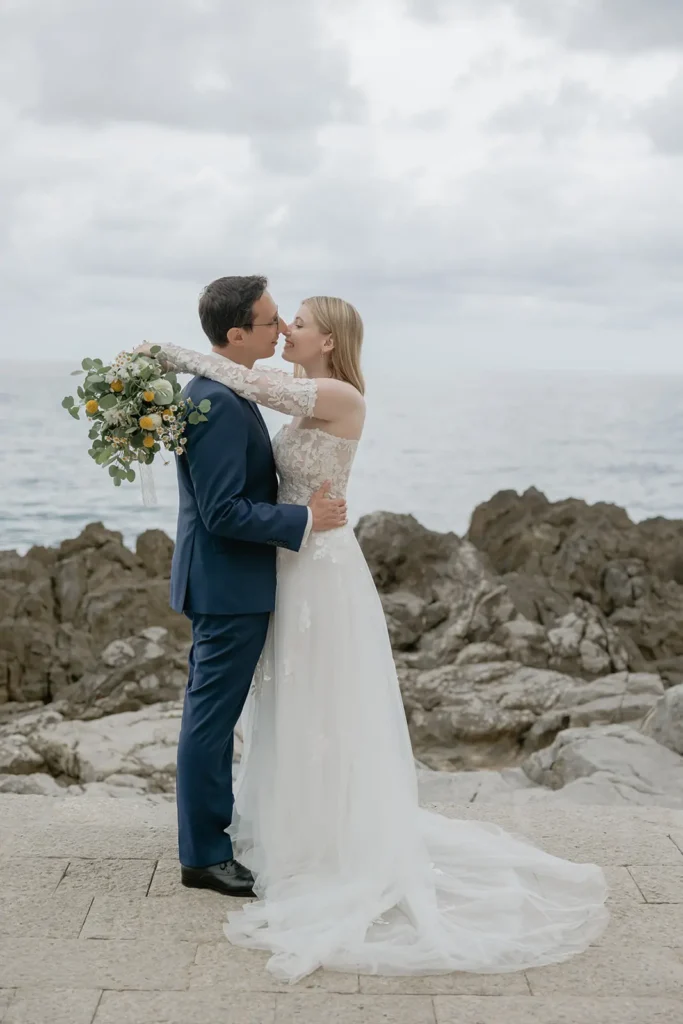
Season. May, June, September and October are the best months for wedding photography in Sicily. The light is extraordinary, the heat is manageable, and the tourist season is either just beginning or winding down. July and August are peak season, beautiful but demanding. March and April offer a quieter, cooler Sicily with wildflowers across the interior that are unlike anything in summer.
Frequently Asked Questions
What is the best time of year to get married in Sicily?
May, June, September and October offer the best conditions for wedding photography in Sicily. The light is exceptional, temperatures are comfortable for outdoor ceremonies and portraits, and the island is active without being overwhelmed by summer tourism. July and August are popular but require careful planning around the heat, all outdoor photography needs to happen before ten in the morning or after five in the afternoon.
What are the best venues for wedding photography in Sicily?
Taormina offers the most immediately cinematic setting, with views of Etna and the Ionian Sea from its clifftop position. Cefalù combines medieval architecture with extraordinary northern coastal light. Noto and Ragusa Ibla in the southeast offer a Baroque architectural richness that is unique in Europe. The Aeolian Islands provide exclusivity and dramatic volcanic landscape for couples willing to manage the additional logistics.
How far in advance should you book a wedding photographer for Sicily?
For peak season dates in May, June, September and October, booking 12 to 18 months in advance is advisable. Sicily is becoming increasingly popular as a destination wedding location and the best photographers with genuine island experience fill their calendars early. If you have a specific venue or date in mind, reaching out as early as possible gives you the most options.
Is it possible to photograph at the Valle dei Templi in Agrigento for a wedding?
Yes, but it requires permits and advance coordination with the archaeological park authority. The process is manageable but takes time, it is not something that can be arranged at short notice. The results, particularly at the Temple of Concordia at sunset, are genuinely extraordinary and worth the additional planning effort for couples who are drawn to the idea.
How does Sicily compare to Tuscany or the Amalfi Coast for wedding photography?
Sicily offers a visual character that is genuinely different from both. Where Tuscany is defined by soft rolling hills and golden vineyard light, and the Amalfi Coast by dramatic coastal cliffs, Sicily brings together Greek and Arab architectural heritage, a more intense Mediterranean light, and a landscape that feels older and less domesticated. For couples who want photographs that feel original rather than familiar, Sicily is one of the most compelling choices in Italy.
Planning a wedding in Sicily?
Browse my portfolio and real weddings to see how I work across Italy, then reach out if what you see feels right.
Written by Cristiana Fiorini, destination wedding photographer based in Italy, working across Italy.


