
Italy is one of the most romantic and visually stunning places to get married. From the rolling vineyards of Tuscany to the breathtaking Amalfi Coast and the historic charm of Rome, every location offers the perfect setting for natural and timeless wedding photography. But how can you ensure that your wedding photos capture the authenticity of your emotions and the beauty of the surroundings without looking overly staged or trendy?

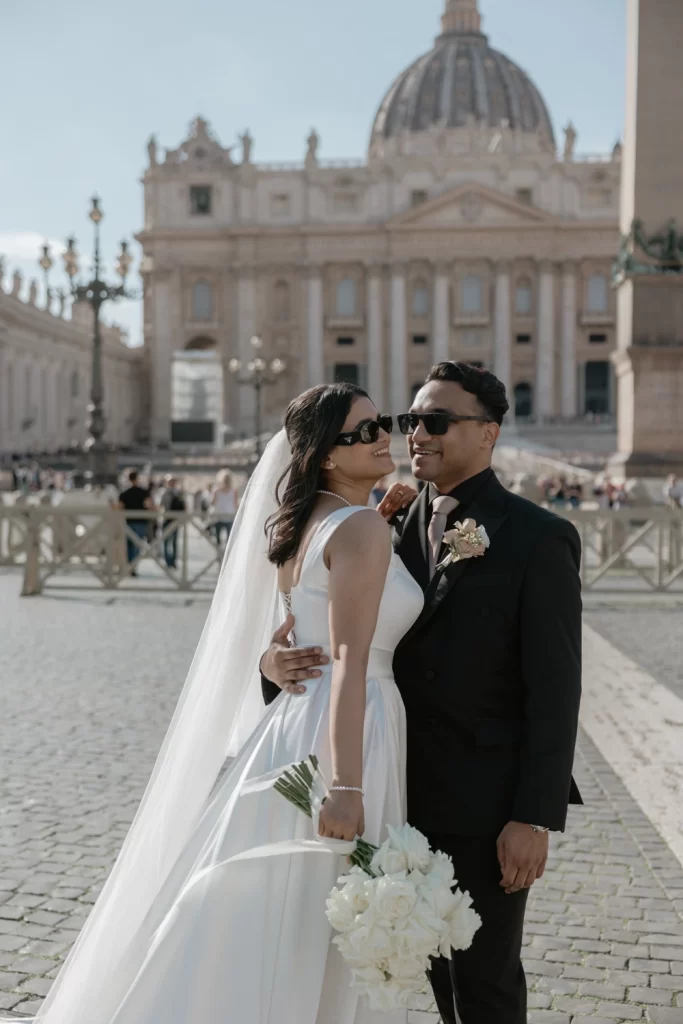
In this comprehensive guide, we’ll explore the secrets to achieving wedding photos that are effortlessly elegant and will remain beautiful for generations. We’ll cover essential topics such as how to pose naturally, the role of lighting, and how Italy’s scenery contributes to a timeless aesthetic. Whether you’re planning an intimate elopement or a grand destination wedding, these tips will help you achieve breathtaking, natural wedding photos that will stand the test of time.
The Secret to Natural & Timeless Wedding Photography
Timeless wedding photography is all about creating images that never feel outdated. Instead of following trends that come and go, natural and timeless photos focus on real emotions, soft lighting, and classic compositions. Here’s what makes the difference:
1. Authenticity Over Trends
While certain editing styles may be popular today, they can quickly become outdated. Overly desaturated or overly warm color tones, heavy filters, and excessive retouching can make photos look artificial. Instead, a natural approach ensures your images remain fresh and elegant forever.
Authenticity in wedding photography means capturing moments as they happen, without forced filters or unrealistic enhancements. A wedding day is a collection of real emotions, spontaneous interactions, and unique details that tell your love story. When trends dictate photography styles, they often prioritize aesthetic over substance, leading to images that feel curated rather than heartfelt.

By choosing a timeless style, your wedding album will maintain its emotional impact regardless of how photography trends evolve. This approach focuses on preserving genuine moments—like the joy in your partner’s eyes as they see you for the first time, the heartfelt embraces with family, and the candid laughter shared between friends. It’s these unscripted elements that make wedding photography truly timeless.
Another key aspect of authenticity is allowing the environment to shine. Italy’s natural beauty—from the sun-drenched landscapes of Tuscany to the historic streets of Florence—provides a stunning and timeless backdrop that doesn’t need excessive post-processing to feel magical. A skilled photographer will enhance these natural elements rather than altering them drastically, ensuring that your wedding photos remain elegant and enduring.
2. Classic Composition
A well-composed photograph will always be beautiful, no matter how many years pass. Avoiding extreme angles, heavy vignettes, and gimmicky poses helps maintain a refined aesthetic that won’t look forced. Classic composition follows fundamental artistic principles that have stood the test of time. The rule of thirds, leading lines, and symmetry all contribute to creating visually balanced and compelling images. These techniques ensure that the viewer’s eye is naturally drawn to the subject without distractions, creating a sense of harmony and timeless elegance.
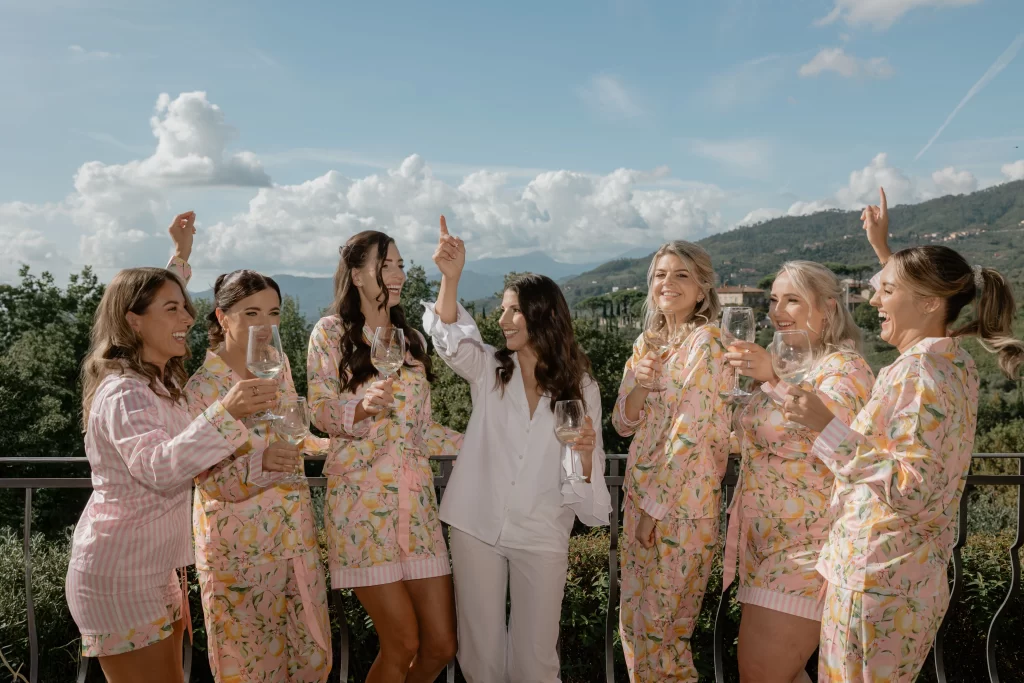
Framing is another essential aspect of classic composition. Italy offers an abundance of natural and architectural elements that can be used to frame the couple beautifully—arched doorways in historic towns, lush greenery in a countryside vineyard, or the intricate stone columns of a grand cathedral. These elements add depth and interest to wedding photos while maintaining a classic feel.
Minimalism also plays a role in timeless composition. A clutter-free background ensures that the focus remains on the couple and their emotions. A skilled photographer will position the couple in a way that eliminates unnecessary distractions, ensuring that every element in the frame adds to the overall storytelling.
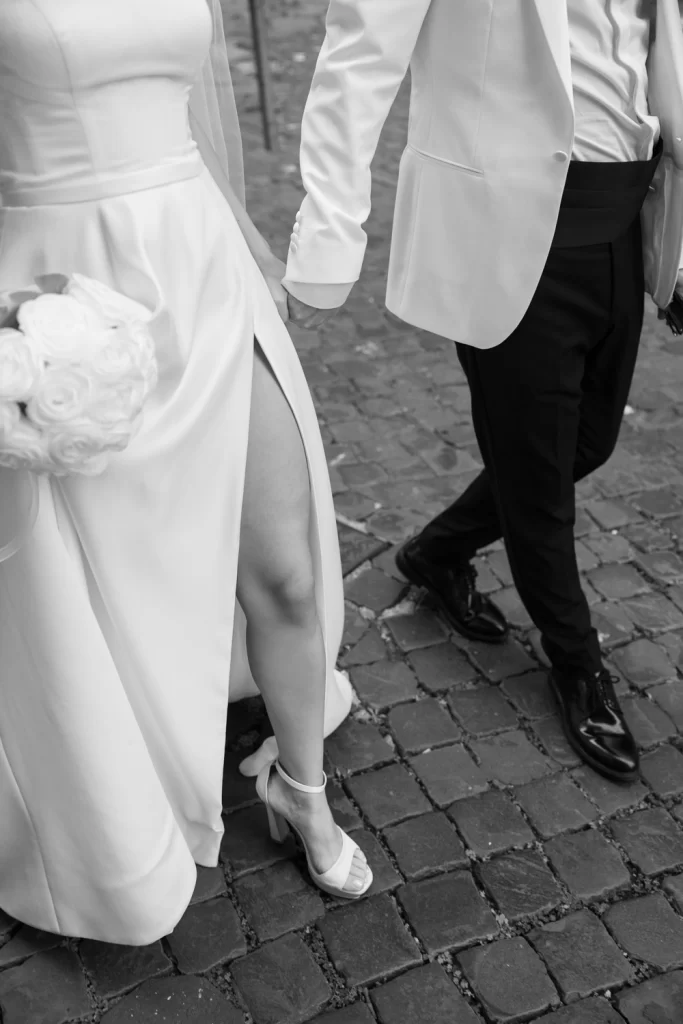
Additionally, movement can enhance classic composition. A bride’s veil caught in the wind, a couple walking hand in hand down a cobblestone street, or the gentle sway of a first dance—all of these create natural, dynamic compositions that add life to still images. These subtle movements bring out a sense of grace and spontaneity, making the photos feel authentic yet refined.
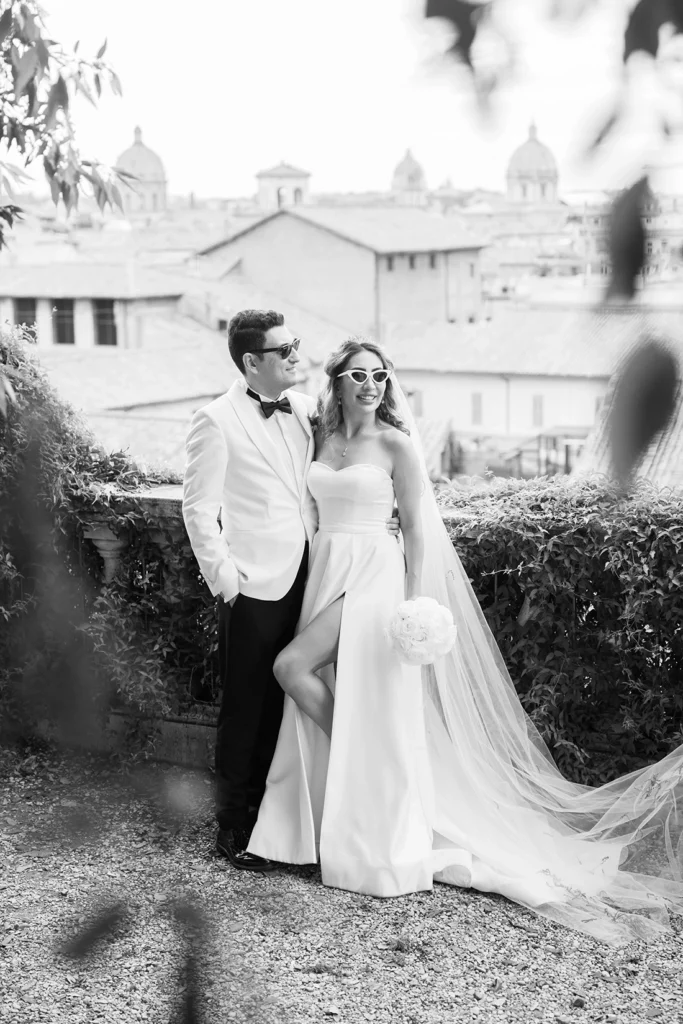

By following these principles, wedding photography achieves a timeless elegance that transcends fleeting trends. A well-composed image will always be visually captivating, ensuring that your wedding album remains just as breathtaking decades from now as it does today.
3. Soft, Natural Colors
True-to-life color correction enhances the elegance of your wedding without adding artificial hues that may feel unnatural over time. A balanced color palette, with whites that stay white and skin tones that remain natural, contributes to a timeless feel.

Color plays a crucial role in evoking emotion and creating a cohesive look for your wedding album. Soft, natural colors bring out the warmth of the moment without overpowering the image. Unlike heavily edited styles that push colors into extremes—such as overly warm or cool tones—natural color grading ensures your wedding photos look beautiful in any era.
A key factor in achieving soft, natural colors is proper exposure and white balance. Overexposure can wash out details, while underexposure can make an image feel too dark and moody. The right balance enhances the natural beauty of your surroundings, whether it’s the golden hues of a Tuscan sunset or the cool blues of a serene coastal wedding.
Neutral and pastel tones often work best for a timeless look. Earthy greens, soft creams, blush pinks, and warm golds create a delicate and romantic aesthetic. Your photographer will consider these elements when capturing and editing your images to ensure a refined and natural color palette that highlights the authenticity of your day.

Additionally, wardrobe choices and floral arrangements play a role in achieving soft, natural tones. Neutral bridal gowns, classic tuxedos, and muted bouquets complement the surrounding environment without clashing with it. A skilled photographer will ensure that every detail harmonizes to create a visually appealing, timeless album.
Lastly, the choice of film or digital processing can affect color rendering. Film photography naturally produces soft, muted tones with a grainy texture that adds character, while digital photography allows for precise adjustments that maintain color integrity. Many modern wedding photographers aim to replicate the elegance of film in their digital work, blending the best of both worlds to achieve an effortless and classic aesthetic.
4. Emphasis on Emotions
Emotions are at the heart of every wedding, and capturing them in a genuine, unfiltered way is what makes wedding photography truly timeless. A beautifully composed image is wonderful, but an image filled with raw emotion—whether it’s laughter, tears, or pure joy—has the power to transport you back to your wedding day every time you see it.


Great wedding photographers are storytellers. They don’t just capture what happens; they capture how it feels. The key to emphasizing emotions is to be present in the moment rather than focusing on perfect poses or forced expressions. Some of the best wedding photographs are the ones where couples aren’t even aware they’re being photographed—when they’re lost in each other’s eyes, sharing a private joke, or overcome with emotion during their vows.
A skilled photographer will be attuned to these moments, anticipating them and positioning themselves discreetly to capture the most meaningful interactions. This means blending into the background when necessary, allowing emotions to unfold naturally without interference. The goal is not to stage a moment but to document it as it happens.
One of the most effective ways to highlight emotions is through close-up shots. The quiver of a lip, the glisten of a tear, or the subtle squeeze of a hand can convey more emotion than words ever could. Zooming in on these delicate gestures creates intimate, deeply personal images that feel authentic and timeless.
Additionally, movement plays a significant role in bringing out natural emotions. A bride twirling in her dress, a groom wiping away a tear, or a spontaneous embrace after the ceremony all contribute to dynamic, emotion-filled imagery. Instead of static, posed shots, a documentary-style approach allows for fluidity and genuine expressions.

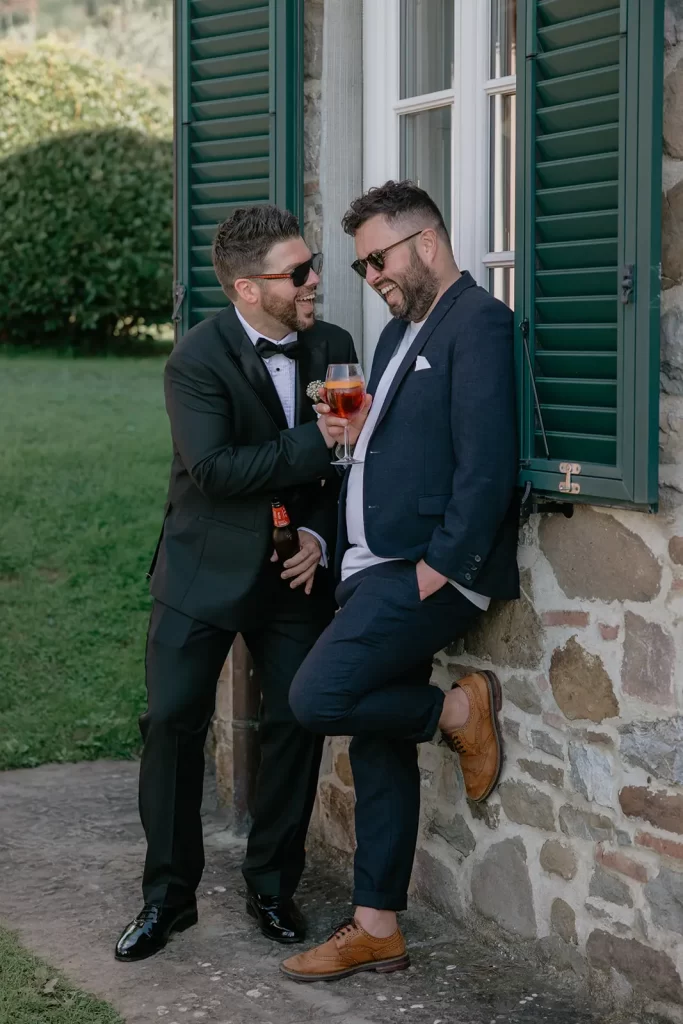
The connection between the couple and their guests also adds emotional depth to wedding photos. Moments like a father’s reaction to seeing his daughter in her wedding dress, the joy of friends celebrating together, or the tender hug between grandparents create a rich tapestry of emotions that tell a complete love story.
Ultimately, the most powerful wedding photos are the ones that make you feel something. They should bring you back to the moment, allowing you to relive the happiness, excitement, and love you experienced on that day. By emphasizing emotions, your wedding album will become more than just a collection of images—it will be a timeless, visual narrative of one of the most important days of your life.
How to Pose Without Looking Posed
One of the biggest concerns for couples is how to look natural in front of the camera. The key? Don’t “pose” in the traditional sense. Instead, follow these tips to move naturally while still looking stunning:
1. Interact with Each Other
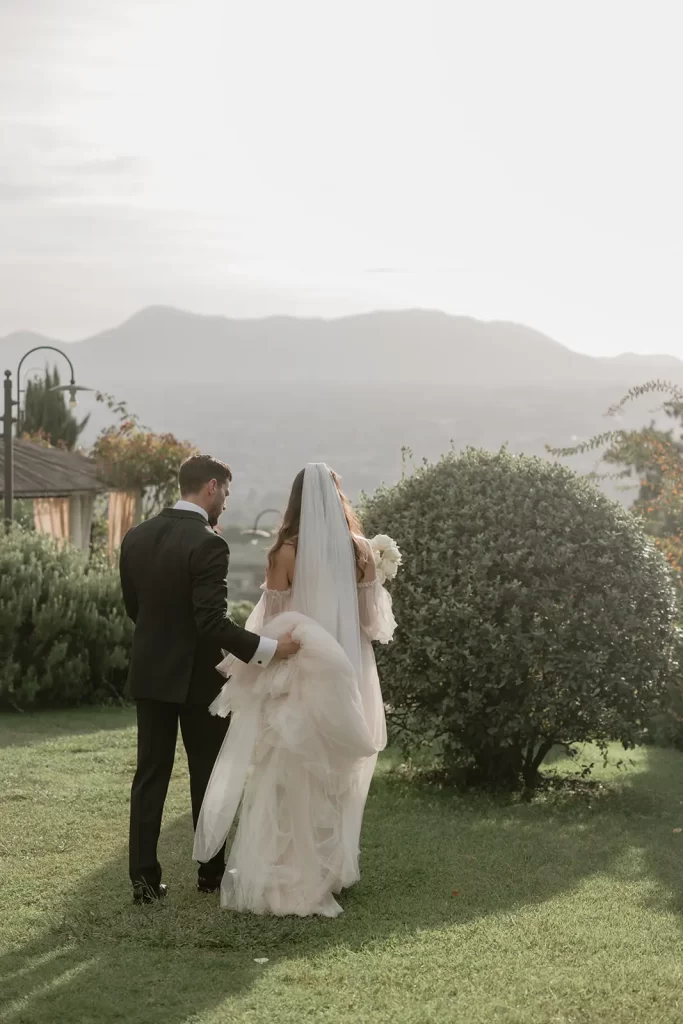
The best photos come when you forget about the camera and focus on each other. Whisper something funny, hold hands, or simply enjoy the moment. The more comfortable you are, the more genuine your expressions will be.

2. Keep Moving
Static poses can feel stiff. Instead of standing in one place and forcing a smile, try walking hand in hand, gently swaying, or even slow dancing. These small, natural movements make a big difference.
3. Trust Your Photographer
A skilled wedding photographer in Italy will give you light direction to bring out natural expressions rather than forcing rigid poses. They might suggest where to stand for the best light, but they’ll also let the moment unfold naturally.
4. Relax & Breathe
Many couples feel nervous about being photographed, but taking deep breaths and letting go of self-consciousness can help immensely. Remember, the goal is to capture your love and connection—not perfection.
Ultimately, natural wedding photography is about capturing who you are as a couple, rather than forcing you into awkward positions that don’t feel like “you.”
Read also: Destination wedding costs in Italy, what to expect
Film Photography at Your Italian Wedding
There is something about film that digital cannot fully replicate a warmth, a grain, a softness in the highlights that feels closer to memory than to documentation. For couples getting married in Italy, where the light is already extraordinary, shooting on 35mm or medium format film adds a layer of texture and intimacy that elevates the final collection.
Film slows the process down in a way that is actually useful, each frame is considered rather than rapid-fired, which tends to produce images that feel more intentional and emotionally precise. I use film alongside digital at most weddings, typically for the quieter moments: preparations, the first portraits together, the candlelit dinner. If this aesthetic resonates with you, it is worth discussing with your photographer before booking, not all photographers offer it, and those who do approach it differently.

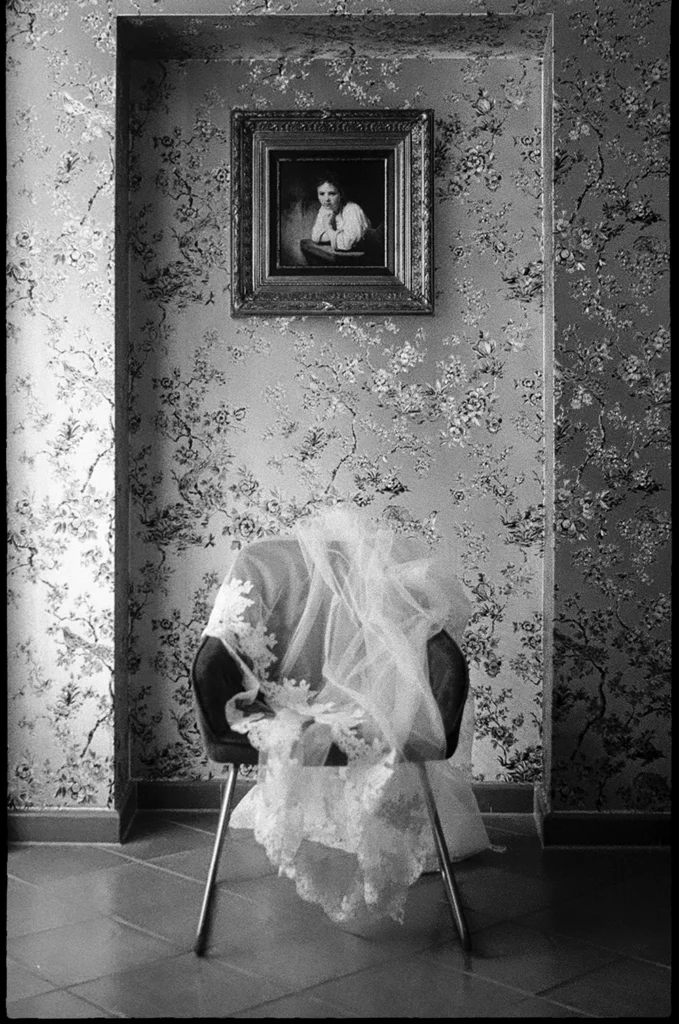
I use film alongside digital at most weddings, typically for the quieter moments: preparations, the first portraits together, the candlelit dinner, the slow hour after the ceremony when guests are still gathered and the light is turning golden. These are the moments that benefit most from the particular quality that analogue brings. The way it renders skin tones, the way it handles shadow, the way an image shot on film feels like it already belongs to the past in the best possible sense.
Italy is one of the best countries in the world to shoot film. The Mediterranean light, the warm stone of historic villas, the deep greens of Tuscan vineyards in late summer all translate onto film with a richness that digital processing struggles to match even with the most careful editing. If this aesthetic resonates with you, it is worth discussing with your photographer before booking. Not all photographers offer film, and those who do approach it differently. Some shoot entire weddings on analogue, others use it selectively for specific moments or as a complement to their digital work.
The Role of Light in Creating Soft, Elegant Images
Light plays a crucial role in wedding photography, especially when aiming for a soft, romantic feel. Italy’s natural light is one of its greatest assets—whether it’s the golden sunset over the Tuscan hills or the soft morning light filtering through Venetian canals. However, light isn’t just about natural illumination; the use of artificial lighting, such as flash, can be a game-changer in achieving a refined editorial look while maintaining a timeless aesthetic.
1. Golden Hour Magic
The hour before sunset, known as the golden hour, bathes everything in a warm, flattering glow that adds depth and softness to photos. Scheduling your portraits during this time ensures a dreamy, elegant look.
2. The Power of Flash Photography
While natural light is often ideal, flash can be used strategically to add depth, highlight details, and ensure flawless images even in low-light settings. A well-placed flash can create a sophisticated, editorial effect that enhances textures and adds dimension to an image without making it look artificial. When used correctly, off-camera flash can maintain the softness of the scene while enhancing contrast and ensuring well-exposed images in any environment.
3. Editorial-Style Lighting for a High-End Look
Editorial wedding photography embraces a polished, magazine-worthy aesthetic while still capturing natural emotions. This approach often involves a blend of natural and artificial lighting to sculpt the couple beautifully, highlight details in wedding attire, and create striking compositions. The right lighting setup can make your wedding photos look effortlessly elegant, adding a touch of luxury and refinement while preserving their timeless quality.


4. Indoor & Candlelit Romance
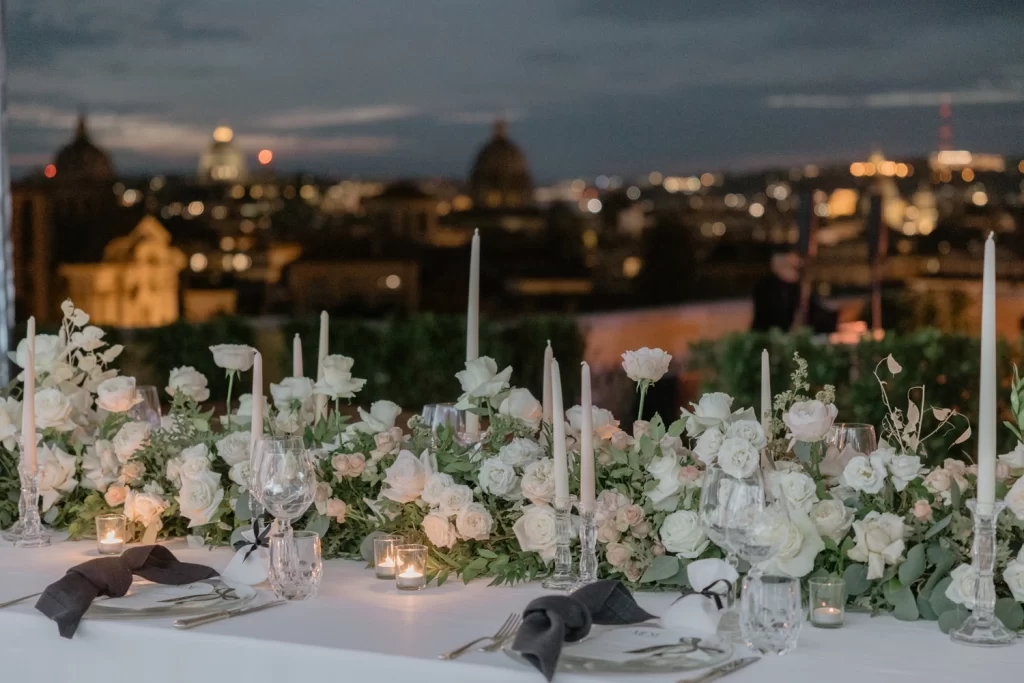
If your wedding venue features grand interiors or candlelit dinners, a skilled photographer will use natural light or warm artificial sources to maintain an elegant ambiance. The warm glow of candles or chandeliers can add depth and character to your images.
5. Overcast Days Are a Gift
While sunshine is beautiful, overcast skies provide diffused lighting that eliminates harsh shadows, creating effortlessly soft and flattering portraits. A cloudy sky acts like a giant softbox, giving even, beautiful light for the entire day.
Read also: Why a pre-wedding shoot in Italy is worth it
Drone Photography in Italy – Seeing Your Wedding From Above

Some Italian venues can only be truly understood from the air. A Tuscan estate surrounded by vineyards, a cliffside ceremony on the Amalfi Coast, a hilltop borgo in Umbria, these places have a scale and a relationship with the landscape that ground-level photography simply cannot capture. A drone shot taken during the ceremony or at golden hour can become one of the defining images of your wedding collection, giving a sense of place and grandeur that no portrait can replicate.
When I photograph weddings at venues like Villa del Balbianello on Lake Como or estates in the Val d’Orcia, drone footage reveals the full geometry of the landscape, the rows of vines converging toward the treeline, the villa at the centre, the light falling across the hills. These are images that put your wedding in context, showing not just who you are but where you chose to be.
Before planning drone coverage, there are two things to check: whether your photographer is licensed to operate a drone in Italy, and whether your specific venue permits it. Many historic or protected sites; FAI properties, national parks, areas near airports, have restrictions. A photographer based in Italy will know which venues allow drones and can advise you in advance, avoiding surprises on the day.
Traditional wedding photos often feature classic shots, such as the bride and groom at the altar, the first kiss, and the cutting of the cake. While these images are timeless and cherished, incorporating unique perspectives can breathe new life into your wedding album. By exploring unconventional angles, photographers can capture the authenticity of the moment, revealing emotions and details that might go unnoticed in more standard shots.
Consider the impact of capturing the entire wedding scene from above. A drone or a high vantage point can offer a breathtaking bird’s eye view of the ceremony, showcasing the venue, the guests, and the couple against the backdrop of a stunning landscape. This perspective not only provides a unique visual experience but also conveys the grandeur and scale of the celebration.
Embracing unique angles and perspectives is a powerful way to create a visual narrative that goes beyond the expected. Brides today are seeking more than just posed portraits; they want their wedding album to tell a story, to capture the fleeting moments, and to convey the genuine emotions of their special day. By thinking creatively and exploring diverse perspectives, photographers can elevate their craft and deliver a collection of images that truly stand the test of time. So, the next time you’re behind the lens at a wedding, don’t be afraid to bend the rules, climb to new heights, and capture love from angles that are as unique as the couples you photograph.
Conclusion
Natural and timeless wedding photography is about more than just taking beautiful pictures—it’s about preserving the essence of your wedding day in a way that will still feel authentic and meaningful decades from now. The key elements to achieving this look include embracing natural light, using classic compositions, and capturing genuine emotions without forced posing.
Italy provides the perfect backdrop for this type of photography. Its historic architecture, breathtaking landscapes, and romantic ambiance enhance the beauty of every photo. Whether you’re exchanging vows overlooking the Tuscan countryside, sharing a first dance under twinkling lights in a villa courtyard, or taking a quiet moment together along the Amalfi Coast, these settings contribute to the timeless feel of your wedding album.

To ensure that your photos stand the test of time, choose a wedding photographer who understands how to balance artistry with authenticity. A great photographer will make you feel comfortable, guide you into natural interactions, and use light to create soft, elegant images that highlight the beauty of your surroundings and your emotions.
Ultimately, your wedding photos should tell a story—your story. They should reflect your love, your personalities, and the emotions of the day. When you look back at them in 10, 20, or 50 years, they should bring you right back to the moment, allowing you to relive the joy, the laughter, and the love you felt on your wedding day.
Read also: Why you should consider a wedding first look


