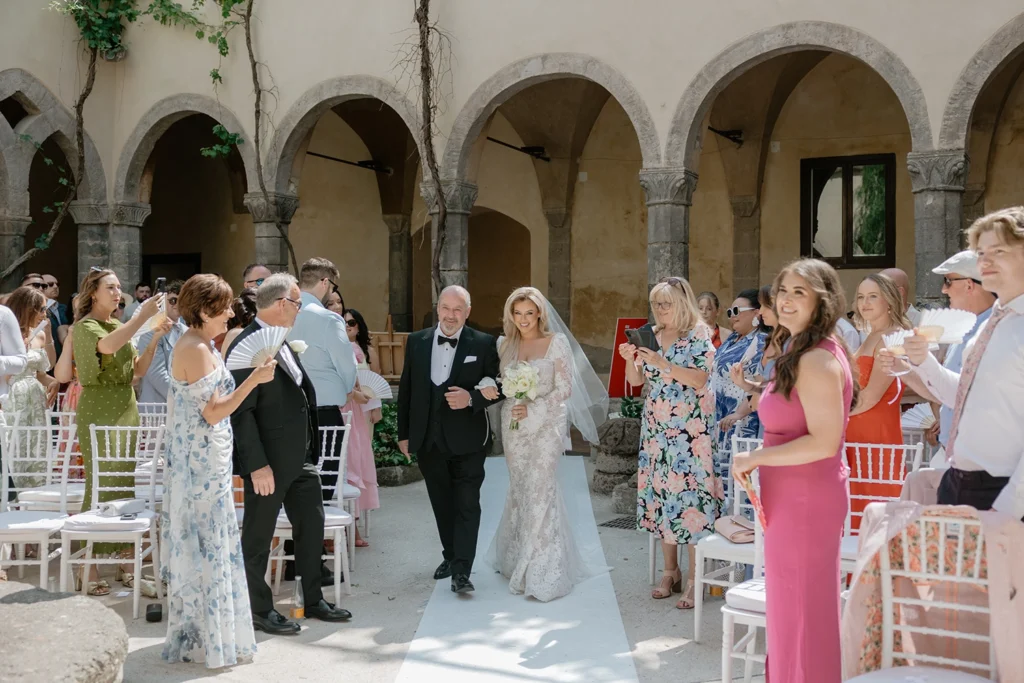
Italy is one of the most romantic and visually stunning countries in the world, making it the dream destination for couples planning a wedding abroad. From the rolling hills of Tuscany to the dramatic Amalfi Coast, from historic villas in Lake Como to centuries-old churches in Rome, Italy offers breathtaking backdrops that deserve to be captured with artistry and intention.
But if you’re planning your wedding from afar, choosing the right wedding photographer in Italy can feel like a daunting task. How do you find someone who understands your style, your culture, and your expectations? Who can communicate clearly with you across time zones? Who knows how to navigate the unique beauty and occasional chaos of Italian venues?
As a foreign couple, selecting the right photographer isn’t just about liking pretty pictures. It’s about choosing someone who can capture the soul of your day, someone who makes you feel confident and cared for, and someone who truly understands the journey of destination wedding planning.
In this comprehensive guide, we’ll walk you through how to choose the right wedding photographer in Italy as a foreign couple, focusing on local expertise, communication, style, and storytelling.
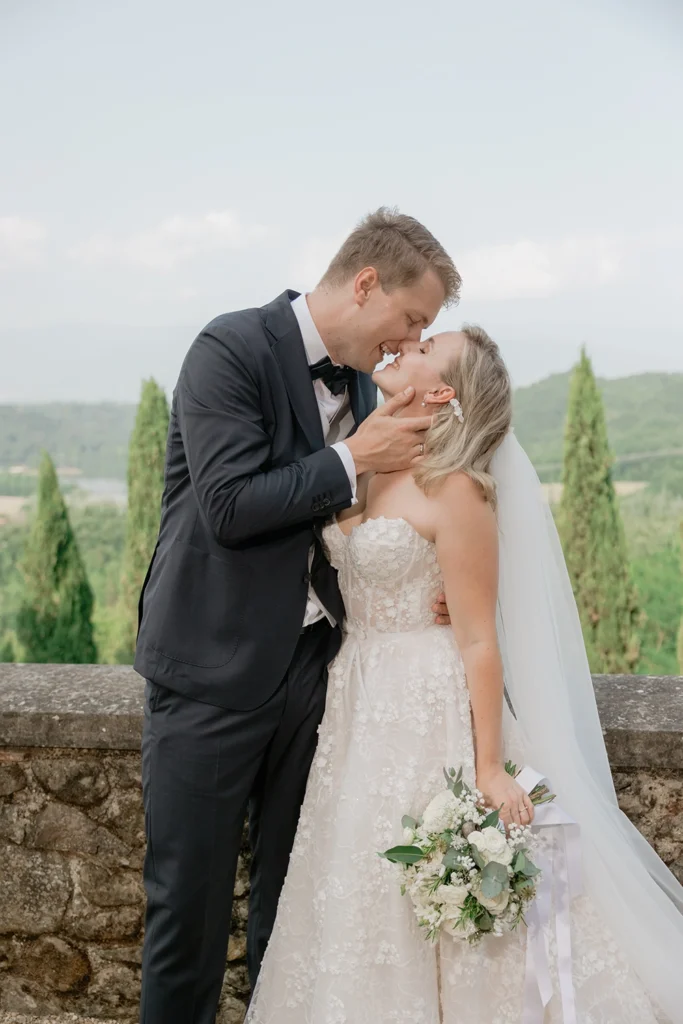

Why Local Expertise is Crucial
One of the most underestimated aspects of choosing a wedding photographer in Italy is their local knowledge. Italy is rich in beauty, but it’s also layered with historic venues, regional traditions, and logistical quirks. Hiring a photographer who understands the local landscape can make a world of difference in the outcome of your wedding images and in the smoothness of your experience.
Familiarity with Venues and Permissions
Italy is filled with stunning wedding venues, historic villas, medieval castles, Baroque churches, and panoramic coastal terraces. Each of these locations comes with its own set of restrictions, lighting conditions, and photographic opportunities. A local or Italy-based photographer often has firsthand experience working at these venues and knows how to work around any limitations.
Additionally, some churches or historic sites in Italy require permits or have strict rules about flash photography, movement, or camera placement during ceremonies. A photographer familiar with these policies can help you prepare in advance and avoid surprises on your wedding day.
Understanding the Light and Seasons
Italian light is often described as magical but it changes drastically between regions and seasons. The golden hour in Tuscany feels different than in the Dolomites or the Sicilian coast. A local photographer knows how to time your portraits, use natural light creatively, and adjust for seasonal variations in color and weather. They also know when the sun sets, how to deal with strong summer sunlight, or how to work in a moody, misty landscape.
Knowledge of Hidden Gems
Some of the most enchanting photos happen away from the crowds, in olive groves, cobblestone alleyways, or hilltop gardens you didn’t even know existed. A locally rooted photographer can recommend off-the-beaten-path spots for portraits, engagement sessions, or even pre-wedding welcome drinks.

Questions to Ask Before Booking
To ensure you find a photographer who fits your needs, take the time to ask meaningful, open-ended questions. You’re not just booking a vendor, you’re choosing an artist and a person who will be with you during some of your most intimate moments.
Here are some important questions to ask during your consultation:
1. Do You Have Experience with International Couples?
This question is especially important. An experienced destination wedding photographer understands the unique logistics and emotional nuances of planning from afar. They’ll be flexible with scheduling calls, offer multilingual communication, and anticipate your concerns before you voice them.
2. Are You Familiar with Our Venue or Region?
If they haven’t worked at your exact venue, ask if they’ve photographed in similar locations or the same area. Their answer will give you insight into their confidence, adaptability, and local knowledge.
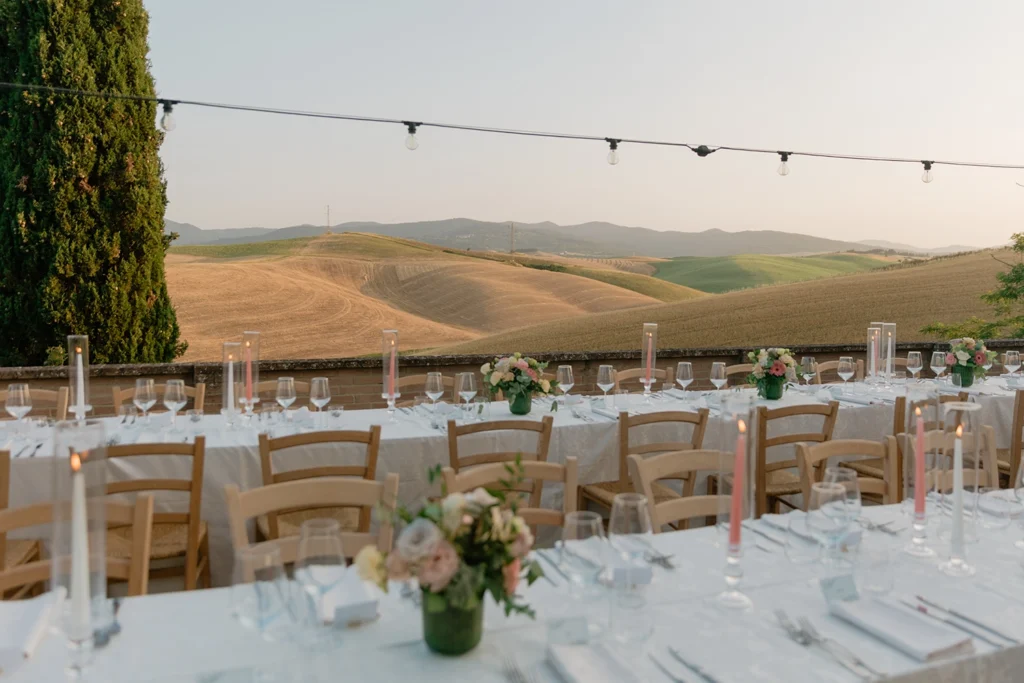
3. How Do You Work on the Wedding Day?
Some photographers work silently in the background, capturing moments candidly, while others give more direction, especially during portraits or group shots. Think about your personalities, do you want someone who blends in like a guest or someone who takes the lead?
4. Can You Show Us Full Galleries?
Highlight reels are great, but full galleries show how the photographer handles every part of the day, from getting ready in dim rooms to evening reception lighting. Ask to see 2–3 full weddings that resemble your own in style and size.
5. Do You Offer Packages That Cover Multiple Events?
Many destination weddings have packages that include a welcome dinner, a day-after brunch, or cultural excursions. Ask if they offer extended coverage so your whole wedding weekend story can be told.
6. What Happens if There’s an Emergency?
No one likes to think about worst-case scenarios, but knowing that your photographer has a solid contingency plan provides peace of mind. Ask about their network, backups, and travel insurance.
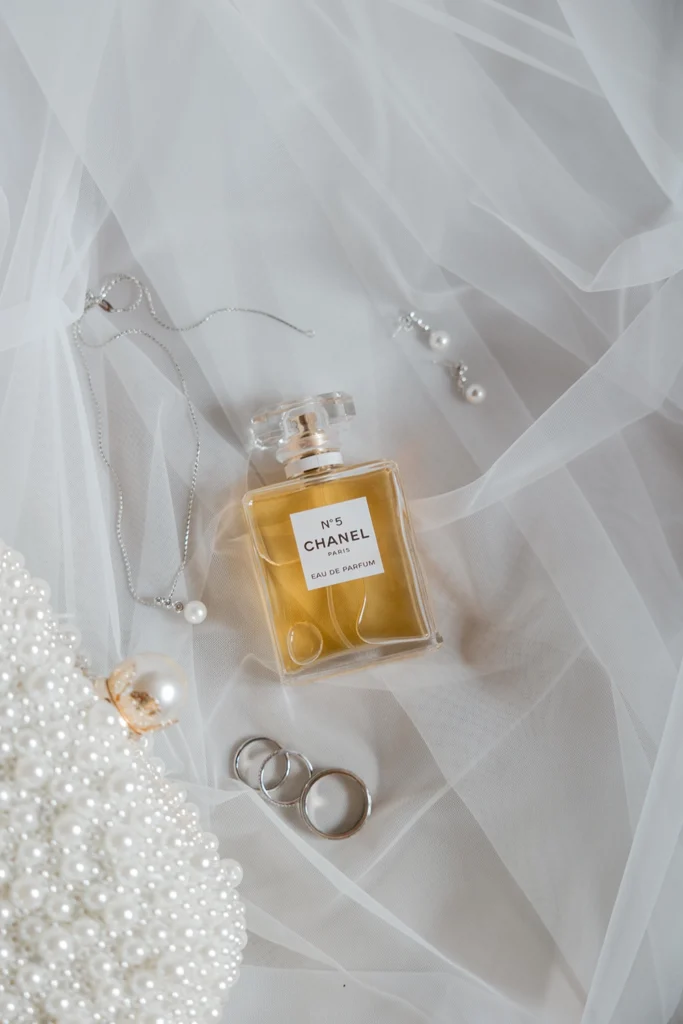
Style, Portfolio, and Storytelling
When it comes to photography, style is everything and deeply personal. The most talented wedding photographers in Italy don’t just take technically correct pictures. They evoke emotion. They capture the energy of a place and the connection between two people.
Define Your Preferred Style
Here’s a breakdown of common photography styles to help you identify what resonates most:
- Fine Art: Elegant and luminous, with soft tones and intentional composition. Often influenced by film photography.
- Documentary / Photojournalistic: Unobtrusive and authentic, capturing the day exactly as it unfolds.
- Editorial: Fashion-forward, carefully curated, with magazine-quality poses and lighting.
- Moody / Cinematic: Rich in contrast and emotion, with a storytelling flair and atmospheric tones.
Don’t worry if you don’t fit neatly into one style, many photographers blend multiple approaches. What matters most is how their work makes you feel. Do their images tell a story you want to be part of?
Look for Consistency and Emotion
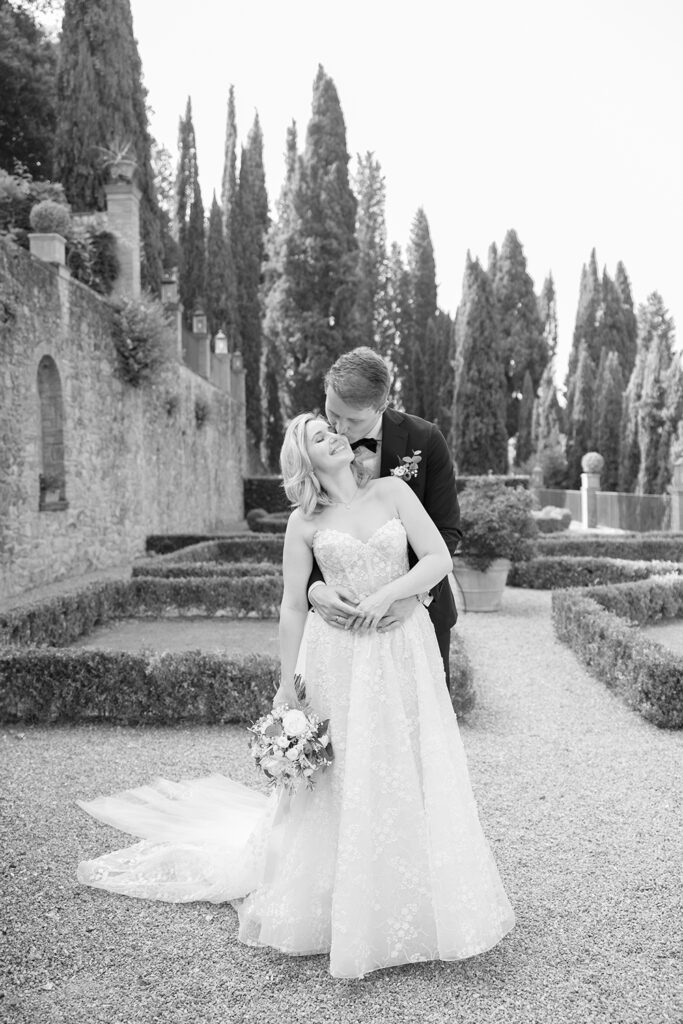
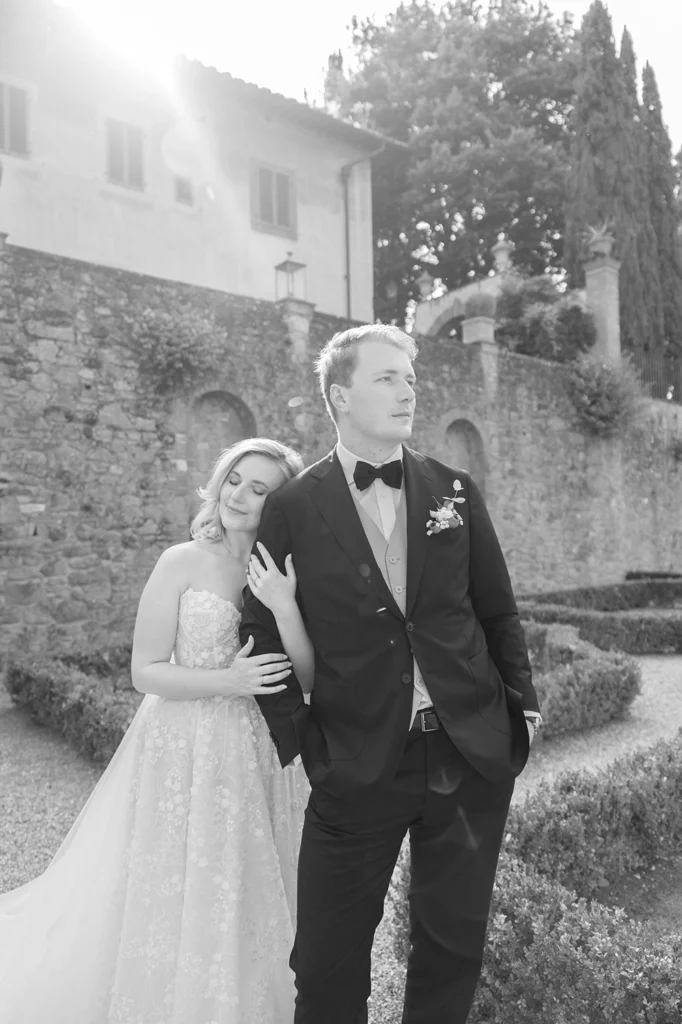
Beyond style, evaluate how the photographer captures emotion. Do their couples look genuinely happy, in love, and relaxed? Can you feel the story of the day by scrolling through their images?
Also, check for consistency in editing. Some photographers use filters or trends that may look dated in a few years. Look for a timeless quality that will still resonate 20 years from now.
Working with an International Photographer
Working with a photographer remotely requires strong communication, transparency, and mutual trust. As a foreign couple, you’ll want someone who makes the process feel easy, even from a distance.
Strong Communication = Less Stress
Emailing back and forth, planning timelines, arranging video calls, your photographer should be responsive, clear, and proactive. Look for someone who answers emails within 24–48 hours, uses tools like Zoom or WhatsApp, and offers planning guides or questionnaires to help tailor their work to your needs.They should also be able to walk you through the day in detail, advising on optimal photo times, locations, and logistics, even if you’ve never set foot at the venue.
Language Matters
Clear communication is essential when emotions are high and time is short. Most destination wedding photographers in Italy speak fluent English, but if you’re more comfortable in another language, check if they or their team can accommodate you. This makes a big difference when communicating last-minute changes or intimate preferences.
Cultural Sensitivity
A great wedding photographer understands and respects your background. Whether you’re planning a symbolic ceremony, a Jewish wedding, an Indian celebration, or a secular fusion of traditions, they should be familiar, or eager to learn, about your customs and expectations.
Building Trust From Afar
Trust is the foundation of any successful client–photographer relationship. Read reviews carefully, especially from other international couples. Look for testimonials that mention professionalism, warmth, helpfulness, and the ability to feel “present” even across borders.
If possible, plan a short engagement or pre-wedding shoot during a planning trip to Italy. It helps you get comfortable with the photographer and creates a natural flow on the wedding day.
Bonus Tips for Hiring a Photographer in Italy
To help your experience go even more smoothly, keep these extra tips in mind:
Time Zones: Be Flexible
Be mindful that your photographer may be 6–9 hours ahead of you. Be open to early-morning or late-evening calls, and allow some flexibility in communication timelines.
Plan for Backup Storage
Ask your photographer about how they back up your photos. Professionals typically use dual memory cards, cloud storage, and multiple hard drives, but it’s worth confirming.
Consider a Photography Timeline
Let your photographer help build your wedding day timeline. They can advise on when to do portraits, how to get the best ceremony light, and how long group shots will take. This results in less stress and better images.
Include Them in the Welcome Dinner
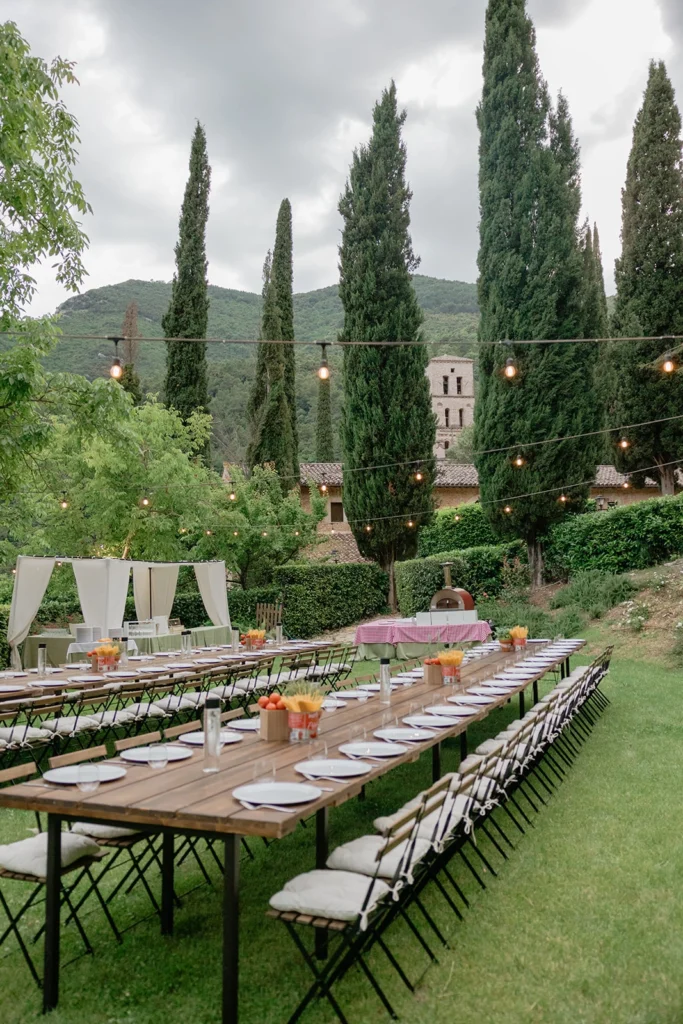
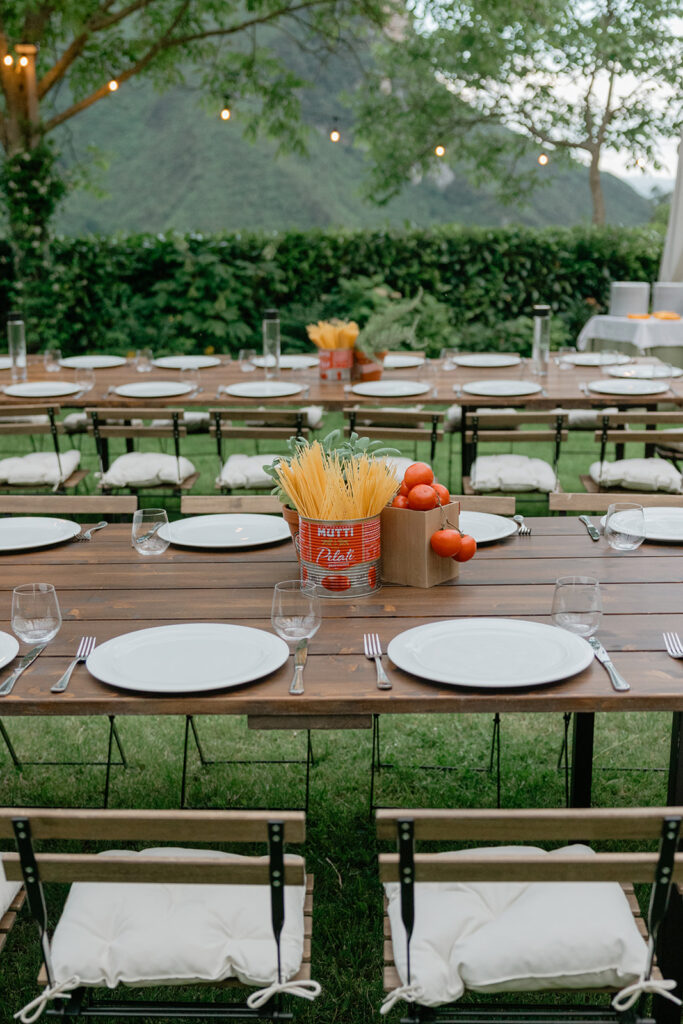
If you’re planning a welcome dinner or pre-wedding event, consider having your photographer capture it. These casual moments with guests often produce some of the most cherished photos.
In Conclusion: Choosing With Heart and Confidence
Choosing the right wedding photographer in Italy as a foreign couple is a decision that will shape how you remember your day for the rest of your lives. It’s not just about finding someone who takes beautiful photos, it’s about finding someone who sees you.
Look for a photographer who:
- Understands the magic of Italy
- Is experienced with international couples
- Communicates with clarity and warmth
- Matches your vision and aesthetic
- Feels like a trusted friend from the first conversation
Remember, your wedding photos will be more than just memories. They’ll be your connection to the laughter, tears, textures, and beauty of your Italian celebration, years and decades from now.