
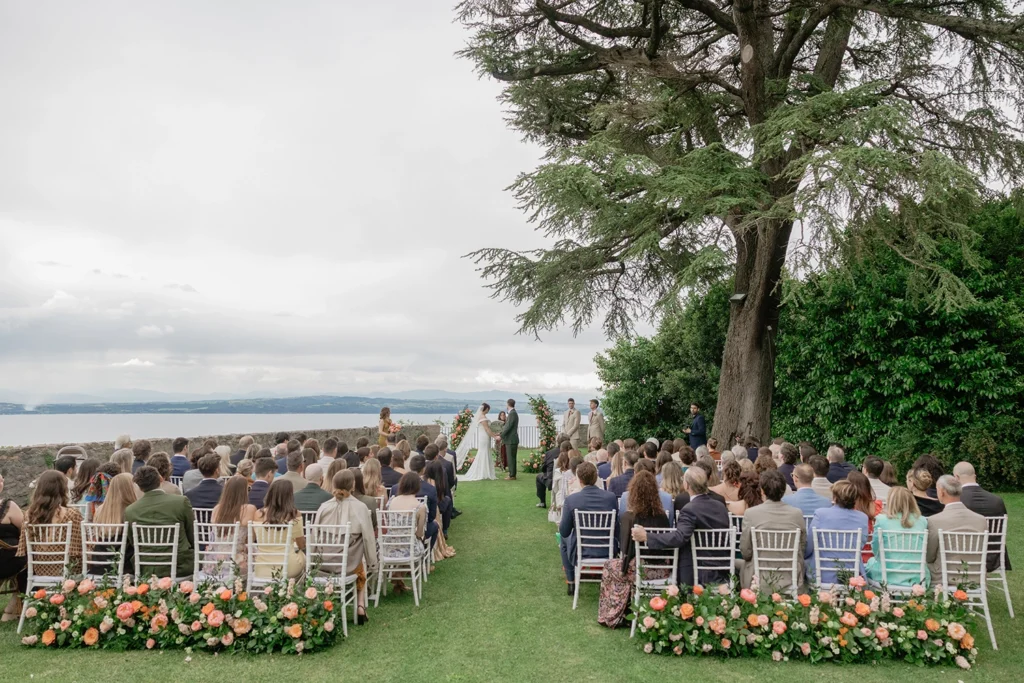
Planning a destination wedding in Italy is a dream for many couples around the world. With its enchanting landscapes, centuries-old architecture, and warm Mediterranean light, Italy provides a romantic and timeless backdrop. But when it comes to capturing your special day, hiring the right wedding photographer becomes essential. More than just taking pictures, a wedding photographer plays a pivotal role in ensuring your celebration runs smoothly, your memories are preserved authentically, and your love story is told beautifully.
In this article, we explore the multifaceted role of a wedding photographer, especially when working with foreign couples marrying in Italy. We’ll walk you through what to expect, why experience matters, and how a photographer becomes one of the most important vendors on your wedding day.
Read also: Getting married on the Amalfi Coast, the ultimate guide and tips for foreign couples
What a Wedding Photographer Really Does on Your Big Day
When you think of a wedding photographer, you likely imagine someone walking around with a camera, capturing the highlights of the day. But a professional wedding photographer does so much more than that. They are part documentarian, part artist, part director, and part support system.
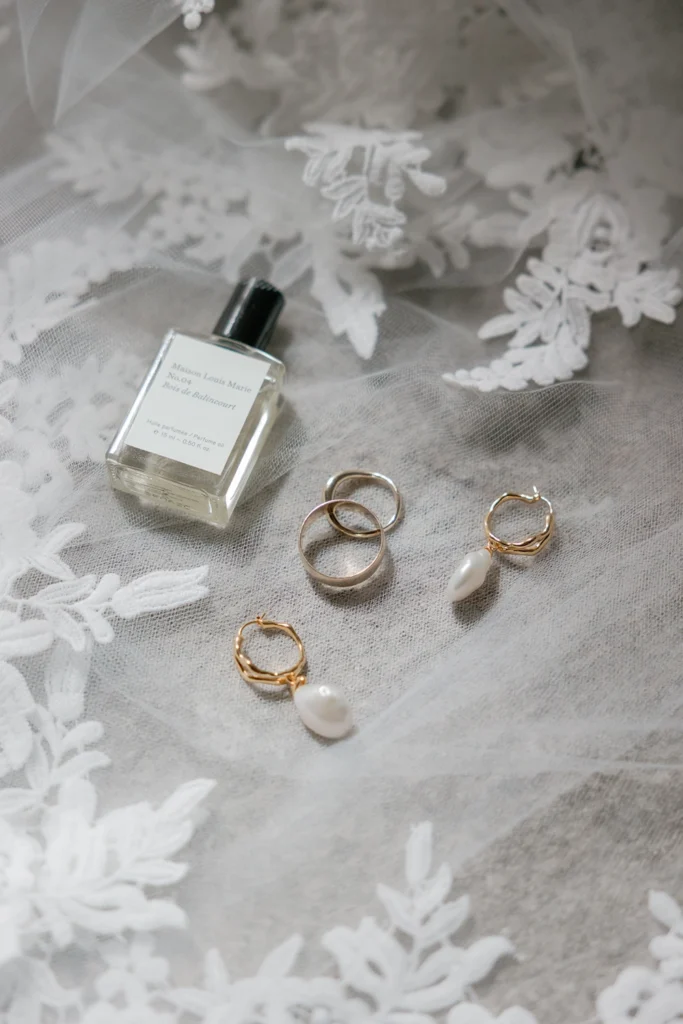
On your wedding day, a photographer arrives early to capture details like the dress, rings, venue, and getting-ready moments. These images help set the tone for your wedding album and tell the story from the beginning. Throughout the day, the photographer is constantly moving, anticipating moments, managing time, adjusting for lighting changes, and interacting with guests.
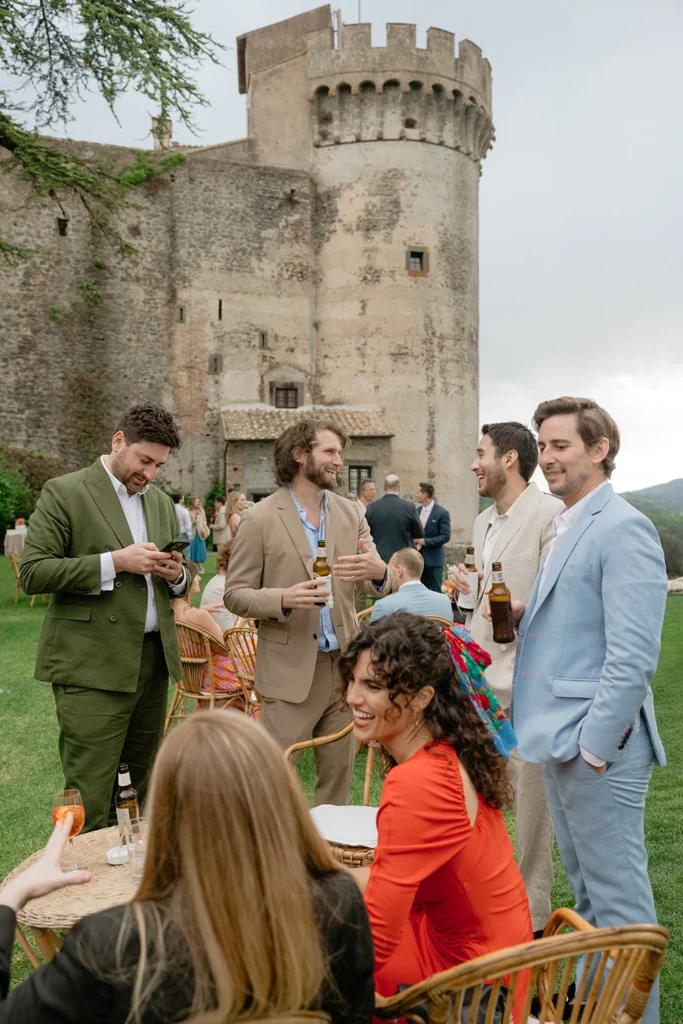

For destination weddings in Italy, communication is key. Your photographer may act as an informal translator or guide if there are language barriers with local vendors. They’ll also adapt to unexpected weather changes, navigate busy city streets or countryside roads, and ensure they’re in the right place at the right time, even when the schedule changes.
Experienced wedding photographers are like time-travelers in the moment. They anticipate events before they happen. They know when to change lenses or adjust their settings based on instinct. They don’t just document your wedding day; they interpret it through the lens of storytelling and artistry.
Read also: 8 Things to consider when choosing a wedding photographer in Italy
How Photographers Help with Timeline & Logistics
Most foreign couples planning a wedding in Italy are navigating unfamiliar territory. That’s where your photographer’s local experience becomes invaluable. A seasoned photographer doesn’t just show up with a camera; they help shape the entire wedding day timeline to ensure there is enough light, time, and calm for each moment.
Pre-Wedding Coordination
Photographers often coordinate with planners and couples months in advance to understand the vision and flow of the day. They consider travel times between locations (important for Italian countryside or cities like Florence and Rome), sunset times (key for golden hour portraits), and even religious or legal ceremony structures.
They may offer guidance on when to start hair and makeup, when to schedule the first look, and how to best structure the couple’s portrait session. Photographers who have experience with Italian venues and traditions can also advise you on the best local customs to incorporate into your timeline.
On-the-Day Flexibility
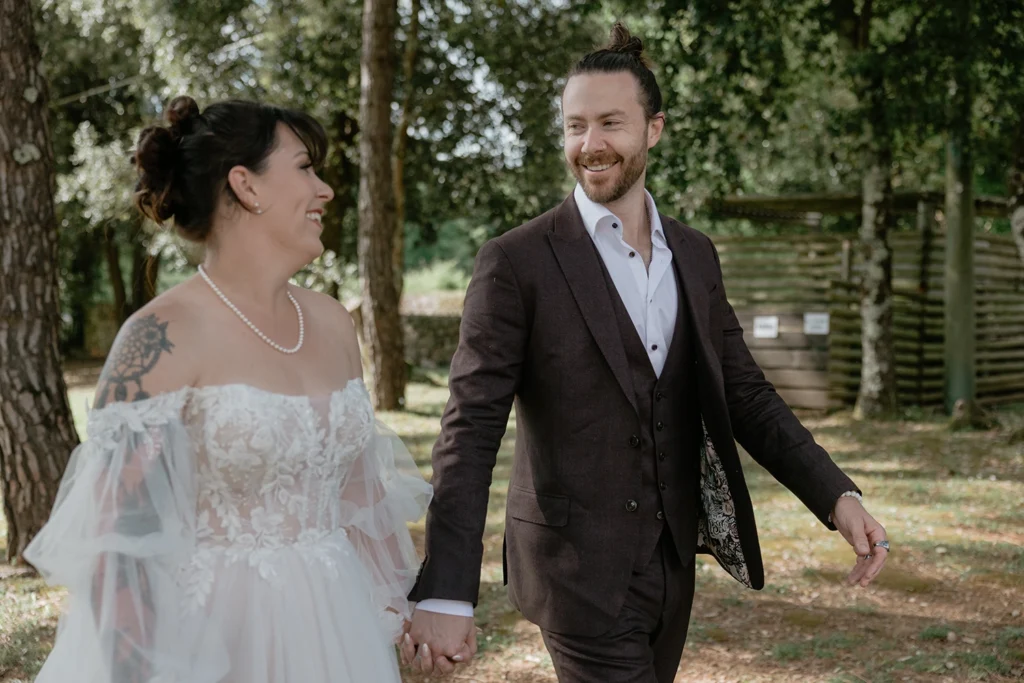
If things run late (and weddings often do), your photographer is your timekeeper. They gently guide you and the vendors back on track without adding stress. They might recommend moving portraits to a later time or adjusting group shots to maintain flow. Their role is part creative, part crisis management, with a smile.
In Italy, where wedding venues can be spread across hilltop towns, vineyards, and lakeside villas, photographers are often your best logistical allies. They understand how traffic, lighting, and even siesta hours might affect your plans, and they know how to work around these potential challenges.
Your photographer might even help you avoid mistakes, like scheduling a portrait session during the midday sun when light is harsh, or not allotting enough time for the couple’s session due to travel between the ceremony and reception sites.
Read also: 7 Essential Sorrento Photographers tips for perfect memories
Capturing Emotion, Not Just Posed Portraits
While posed portraits have their place in any wedding album, the most meaningful images often come from candid, fleeting moments: the groom wiping a tear during vows, the father-daughter embrace before walking down the aisle, the spontaneous laughter of guests during a toast.
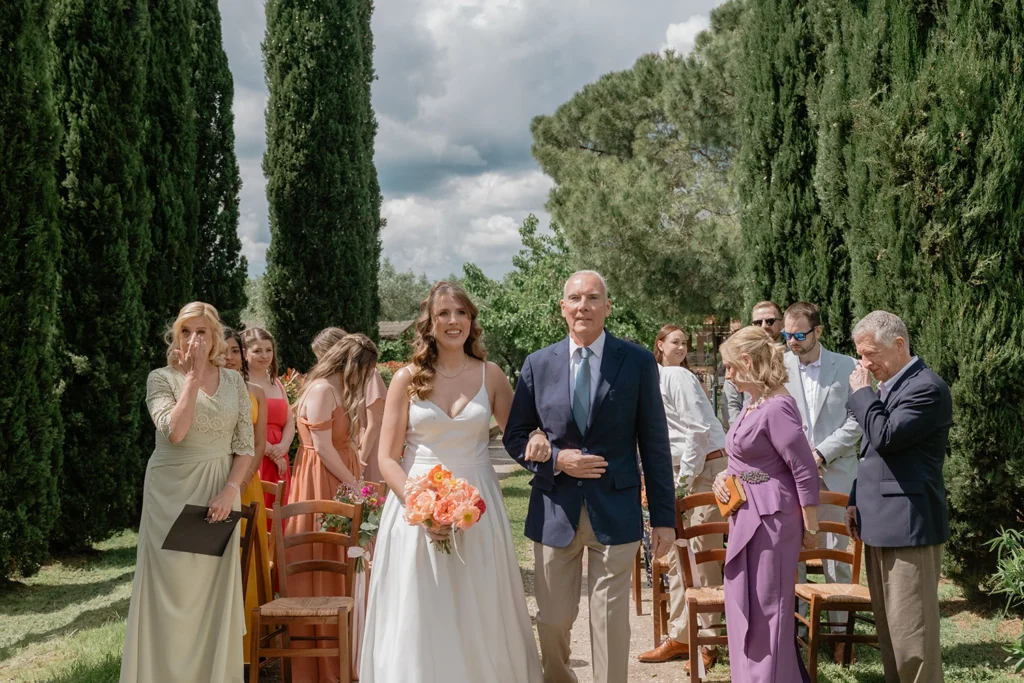
A skilled photographer anticipates these moments before they happen. They understand body language, know how to blend into the background, and are always ready to press the shutter at the perfect second. This sensitivity is especially important in destination weddings, where cultural nuances, intimate gatherings, and personal details matter deeply.
Storytelling Through Photography
In Italy, each wedding has its own story. Whether you’re exchanging vows in a Tuscan countryside, a Roman palazzo, or an Amalfi coast villa, your photographer becomes the visual storyteller. They frame your emotions against these iconic backdrops, capturing not just what your wedding looked like, but how it felt.
True storytelling goes beyond aesthetics. It captures the textures of your day, the lace on your gown, the glisten of prosecco flutes, the laughter echoing through the villa walls, the stillness before the vows. The result is not just a collection of images but a cinematic narrative you can relive again and again.
Photographers also capture cultural nuances, which are especially important in cross-cultural weddings. If you’re combining traditions from different countries, a photographer who understands emotional storytelling ensures those details are honored visually.
The Importance of a Photographer Who Understands Light & Composition
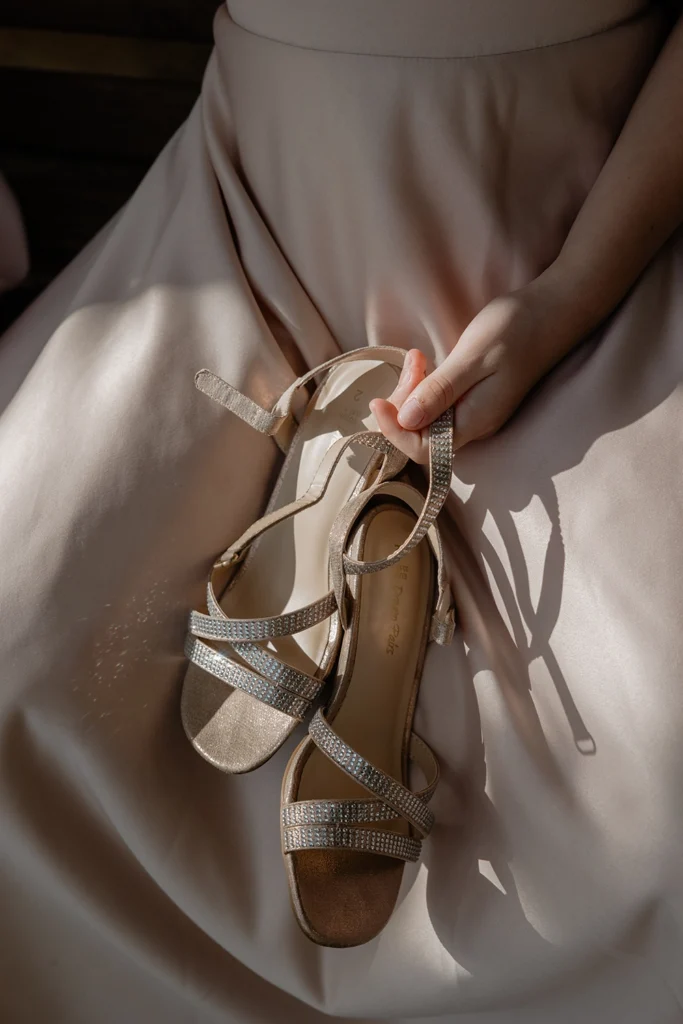
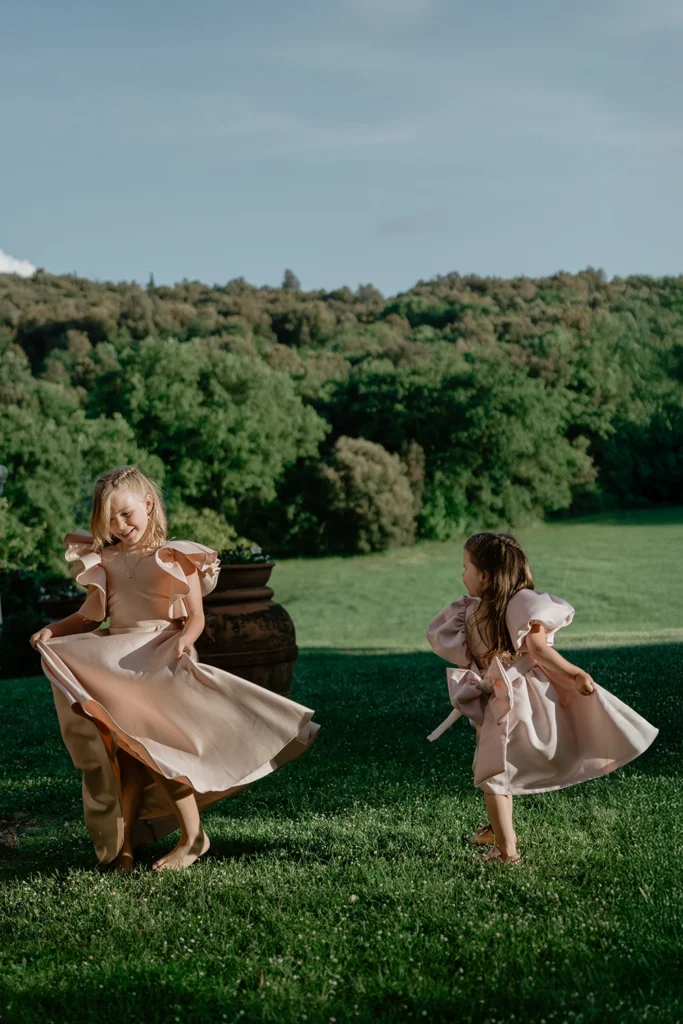
Italy’s light is legendary. From soft morning hues to the golden tones of sunset, lighting can elevate a photo from good to breathtaking. But only a photographer who truly understands how to work with natural light and composition can fully harness its power.
An experienced photographer considers:
- The angle and quality of light at each time of day
- Shadows and how they sculpt the face
- Backdrops and their visual balance
- Framing techniques that highlight architecture and landscapes
- The use of reflections, leading lines, and symmetry
Why This Matters
Great lighting and composition don’t just create beautiful images. They create timeless art. Your photographer’s technical ability determines whether your memories are captured with depth, emotion, and elegance or just recorded.
For destination weddings, this skill is even more critical. You may only have one opportunity for golden hour portraits. The sun sets quickly behind the Tuscan hills or the cliffs of Positano, and there’s no second take.
Photographers who have mastered natural light can make any moment radiant. Whether it’s capturing you framed in a window with soft light, or dancing under the stars lit only by candles, these moments become unforgettable thanks to skillful handling of light and mood.
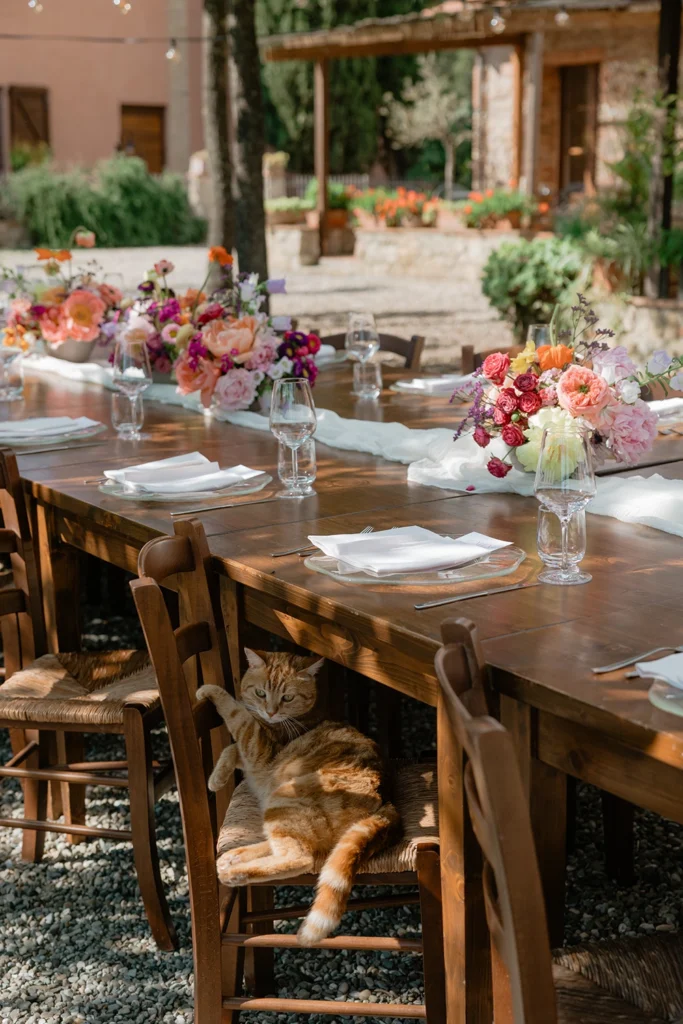
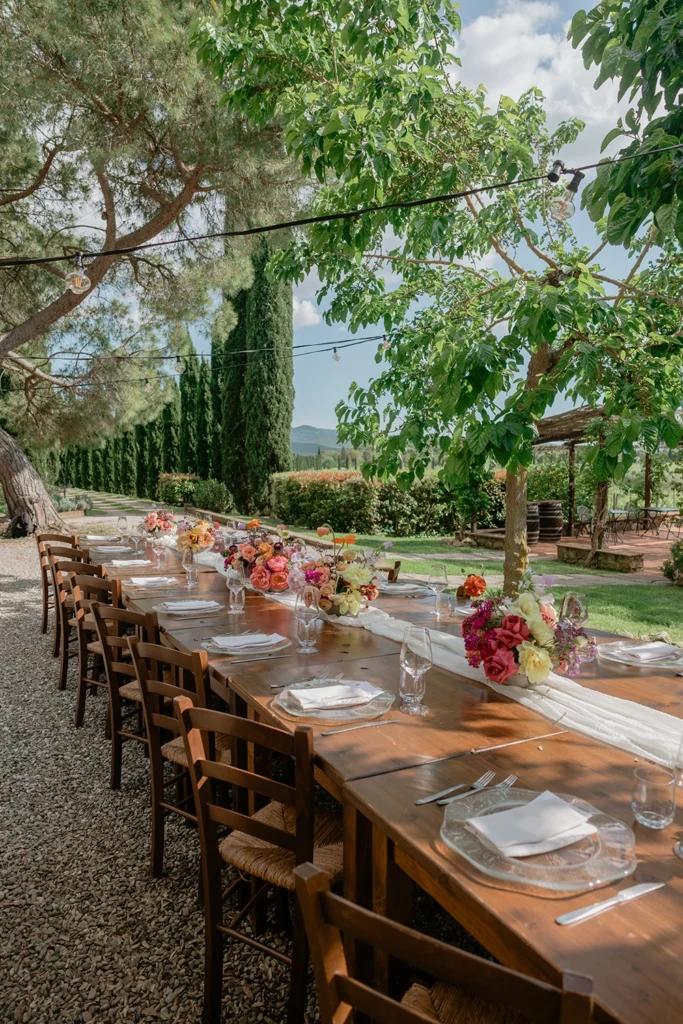
Moreover, Italy is full of contrasts: stone buildings and lush vineyards, sun-drenched coasts and dimly lit cathedrals. Your photographer should be adept at adapting to different lighting environments without losing image quality or emotional depth.
How Your Photographer Ensures a Smooth Wedding Day
A wedding day can feel like a whirlwind, especially in a foreign country. Your photographer is one of the few vendors who stays by your side almost the entire day. That’s why the best photographers don’t just take pictures. They support you, calm your nerves, and help you enjoy the moment.
More Than a Vendor
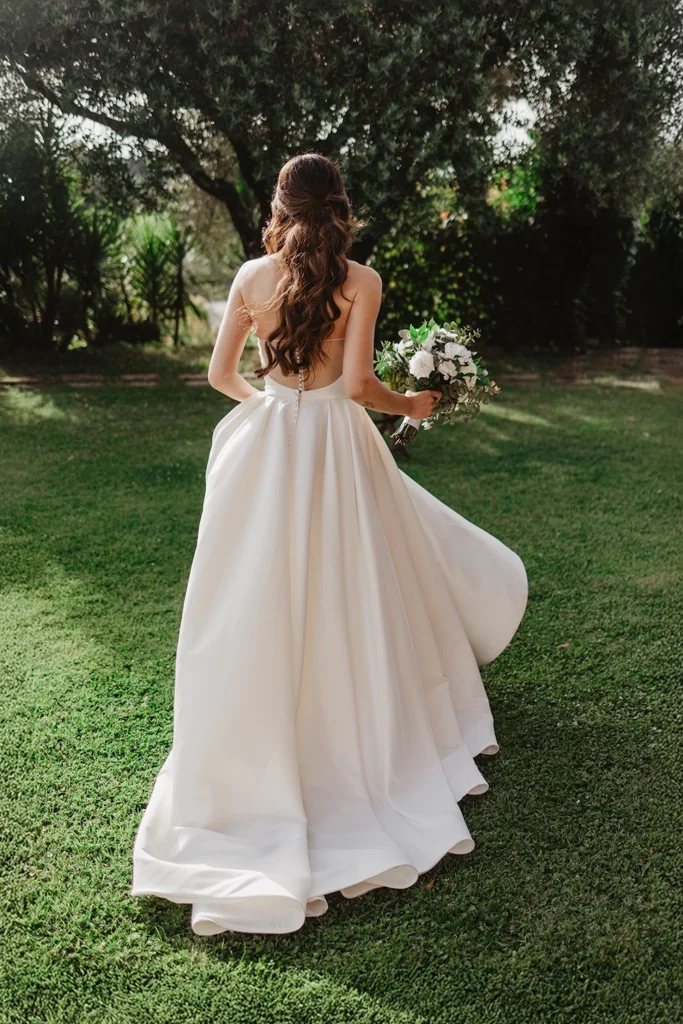
A good wedding photographer knows when to step in and when to step back. They fix your veil, straighten your boutonnière, hold your bouquet, or remind you to breathe before you walk down the aisle. They manage family photo sessions, guide you to flattering light, and help you forget there’s a camera at all.
Experienced photographers have seen it all, from sudden thunderstorms to last-minute wardrobe malfunctions. They stay calm under pressure and make sure you do too. They’re often the glue that holds the timeline together. They know the weather conditions and places really well.
Some even take on tasks you wouldn’t expect: fetching water, adjusting furniture, managing guests during group photos, and liaising with planners to tweak the schedule.
The Destination Advantage
In Italy, where venues may be spread across large estates or small medieval towns, your photographer’s familiarity with the region makes a huge difference. They may scout locations in advance, know how to work with local vendors, or even suggest hidden spots for portraits that you’d never find on your own.
They can also help navigate cultural expectations. For example, understanding that Italian weddings may run later than scheduled or that certain towns restrict vehicle access during wedding processions can help you avoid stress.

A Partner in the Experience
Ultimately, your photographer is a partner. They’re invested in your experience and want your day to be as seamless as possible. Many couples find that their photographer becomes a friend, confidante, and the person who saw their wedding more intimately than anyone else.
Photographers often end up becoming part of your story, someone who laughed with you during getting ready, who calmed you down before the first look, and who witnessed the quiet moments no one else did.
Conclusion
Choosing a wedding photographer for your destination wedding in Italy isn’t just about finding someone who takes pretty pictures. It’s about finding someone who understands your vision, can adapt to your needs, and will tell your love story in a way that resonates for a lifetime.
If you’re planning your Italian wedding, take the time to find a photographer whose style, personality, and professionalism align with your values. Look for someone with experience in destination weddings, who knows Italy well, and who can bring calm, joy, and creativity to your big day.
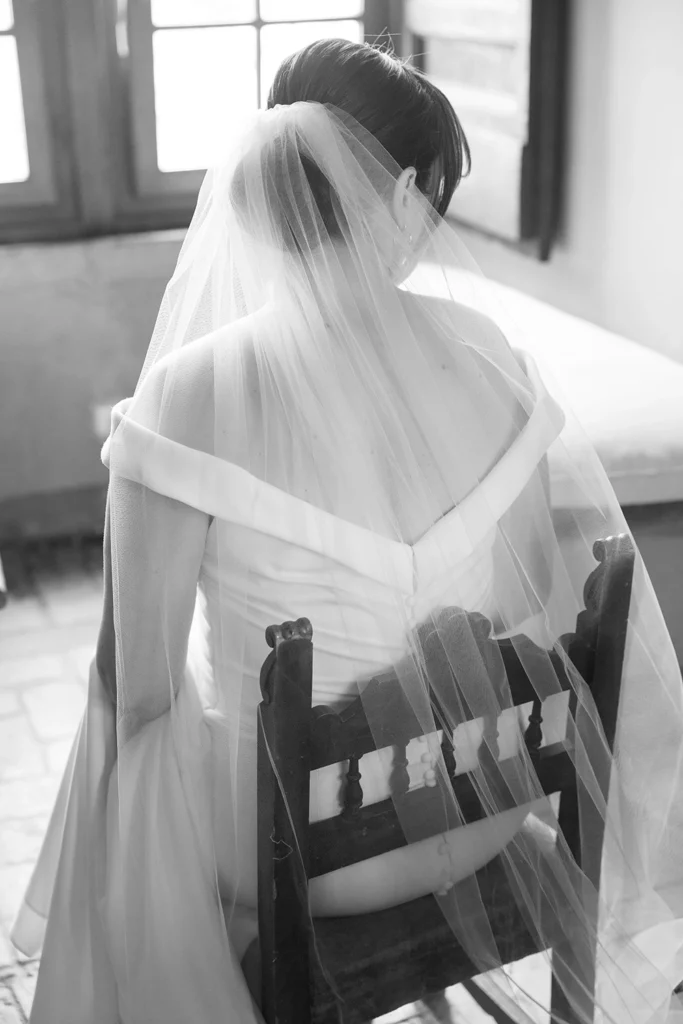
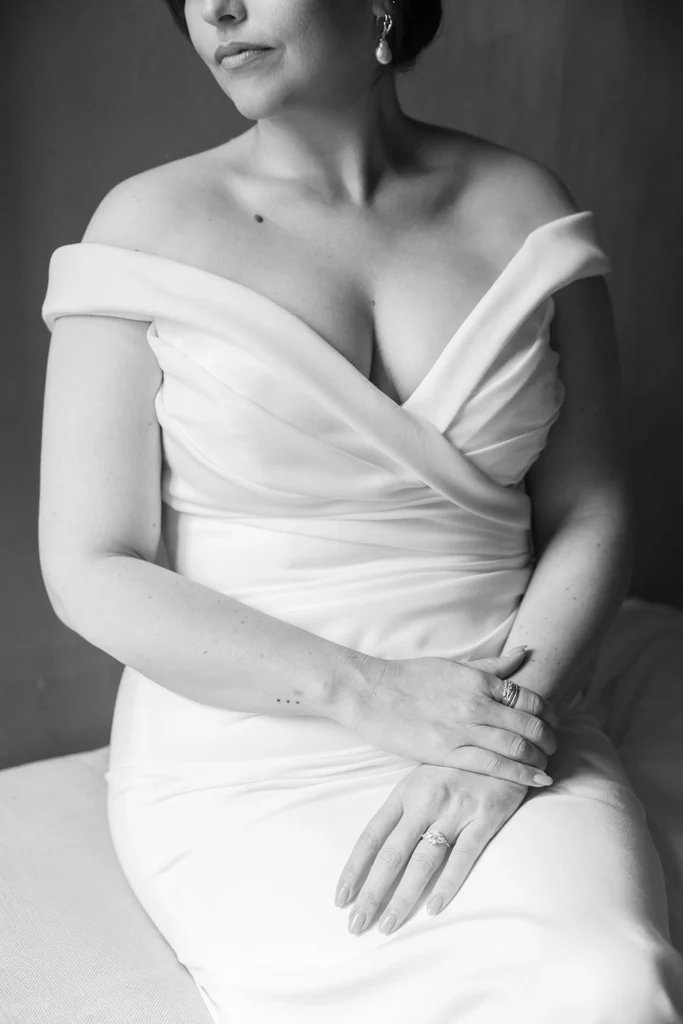
A destination wedding is a once-in-a-lifetime experience. Investing in the right photographer ensures that every detail, from the setting sun over a Roman skyline to the quiet smile you shared just before the ceremony, is captured with care, artistry, and love.
Your wedding day will go by in a blur. But the images will last forever. Make sure the person capturing them is someone you trust, not just as a photographer, but as a partner in creating unforgettable memories.
Read also: How to find the right photographer for your destination wedding in Italy


