
Planning a wedding in Italy is a dream for many couples, but choosing the right photographer to capture your special day is just as important as selecting the perfect venue. With breathtaking landscapes, historic architecture, and romantic settings, Italy offers an unparalleled backdrop for wedding photography. However, finding the right professional to document your day can be overwhelming, especially when planning from abroad.


The right photographer will not only take beautiful photos but also tell the story of your wedding in a way that reflects your love, emotions, and the unique atmosphere of your chosen location. From the golden hills of Tuscany to the dreamy Amalfi Coast, every corner of Italy has its own charm, and the right photographer will know how to enhance that beauty while making you feel comfortable in front of the camera.
Beyond aesthetics, hiring a photographer for a destination wedding requires careful consideration of logistics, experience, and communication. Unlike a local wedding, where meetings and venue visits are easier to coordinate, destination weddings require a photographer who is adaptable, reliable, and familiar with working in new environments. In this guide, we’ll walk you through how to choose the best wedding photographer for your Italian wedding, ensuring timeless, stunning images that tell your unique love story.
Read also: How to Choose a Wedding Photographer in Italy for Your Destination Wedding
Questions to Ask Your Photographer
Selecting a wedding photographer is about more than just liking their pictures, you need to ensure they are the right fit for your vision and needs. Here are some essential questions to ask before making your decision:
1. What is your photography style?
Every photographer has a distinct approach. Some specialize in documentary-style photography, capturing candid moments, while others focus on editorial-style images with a high-fashion feel. Review different styles and choose the one that aligns with your wedding vision.

2. Do you have experience shooting weddings in Italy?
A photographer familiar with Italian weddings will understand the nuances of different venues, lighting conditions, and cultural traditions. Experience in Italy also means they can navigate language barriers, permits, and logistical challenges.
3. Can we see full wedding galleries?
Many photographers showcase their best shots online, but it’s crucial to see full wedding galleries to get a sense of their consistency throughout an entire wedding day. This will give you a better idea of how they handle different lighting situations and key moments.
4. What is included in your packages?
Every wedding photography package is different. Some include engagement sessions, second photographers, albums, or extra hours of coverage. Understanding what is included will help you compare options and avoid unexpected costs.
5. How do you handle unpredictable weather conditions?
Italy’s weather can be unpredictable, especially if you’re getting married in regions like Tuscany or the Amalfi Coast. Ask your photographer how they adapt to different lighting situations and what backup plans they have in place.
6. Will you help with timeline planning?
An experienced wedding photographer can assist in structuring your wedding day timeline to ensure enough time for key moments without feeling rushed. Their input can be invaluable in maximizing the best lighting conditions for portraits.


7. What is your approach to candid versus posed photography?
Some couples prefer a more natural, documentary-style approach, while others like a mix of posed and candid shots. Understanding how your photographer balances these styles will help ensure they align with your expectations.
8. How many weddings do you take per year?
A photographer who takes on too many weddings may not be able to give each couple the attention they deserve. It’s important to choose a photographer who is committed to delivering high-quality work and personalized service.
9. What is your turnaround time for photos?
After your wedding, you’ll be excited to see your images. Ask about the expected timeline for receiving your edited photos so you can plan accordingly.
Reviewing Portfolios: What to Look For
A portfolio is a window into a photographer’s artistry and storytelling abilities. Knowing how to analyze one can help you determine if they are the right fit for your Italian wedding.
Consistency in Style and Quality
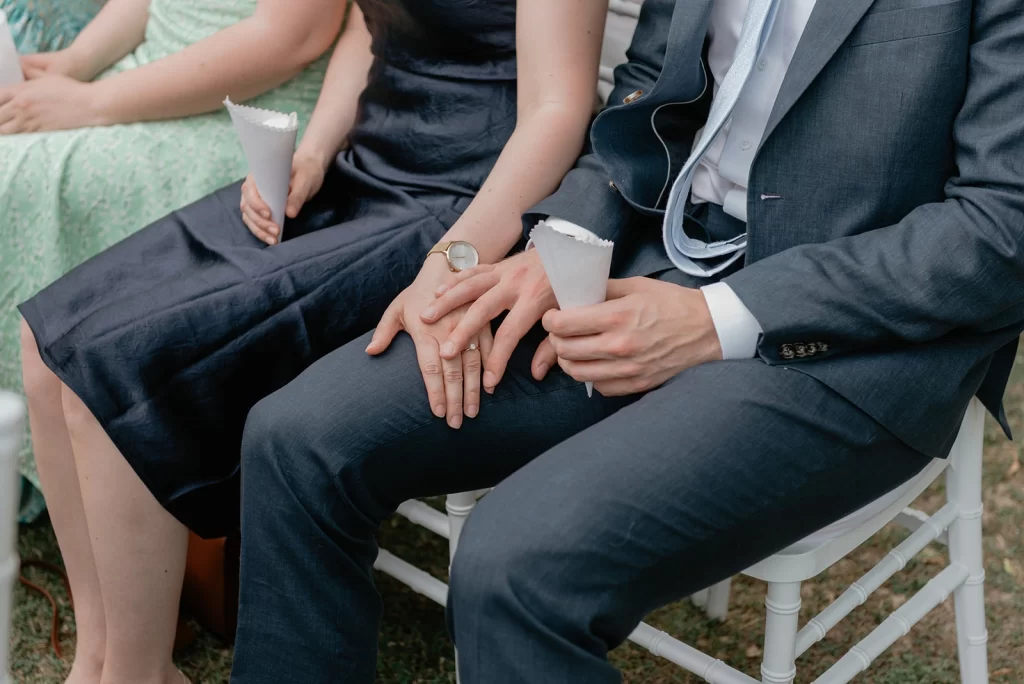
A great photographer’s portfolio should showcase a consistent aesthetic and style, whether it’s light and airy, dark and moody, or classic and timeless. If you notice drastic differences in editing or composition between weddings, it may indicate inconsistency in their work.
Emotional Connection in Photos
Look for images that evoke emotion. A skilled wedding photographer captures genuine expressions and unscripted moments, making you feel something when you view their work. If their images resonate with you emotionally, that’s a great sign.
Experience with Different Lighting Conditions
Italy offers a variety of lighting conditions, from the golden glow of Tuscany’s rolling hills to the dimly lit churches of Rome. Ensure your photographer has experience handling different environments, especially natural light and low-light settings.
Attention to Detail and Composition
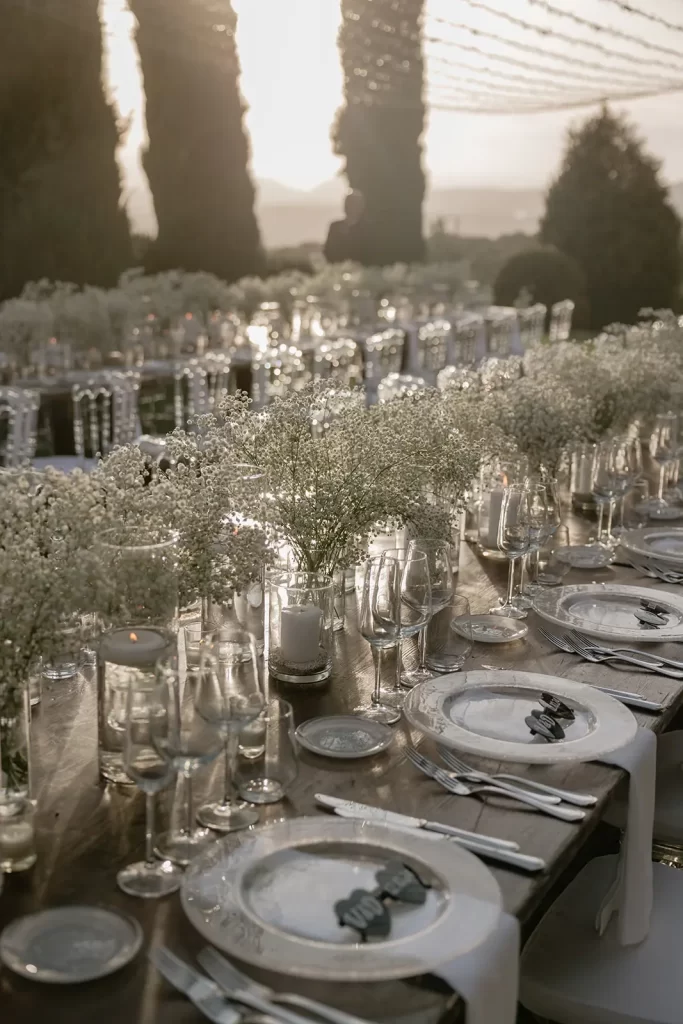
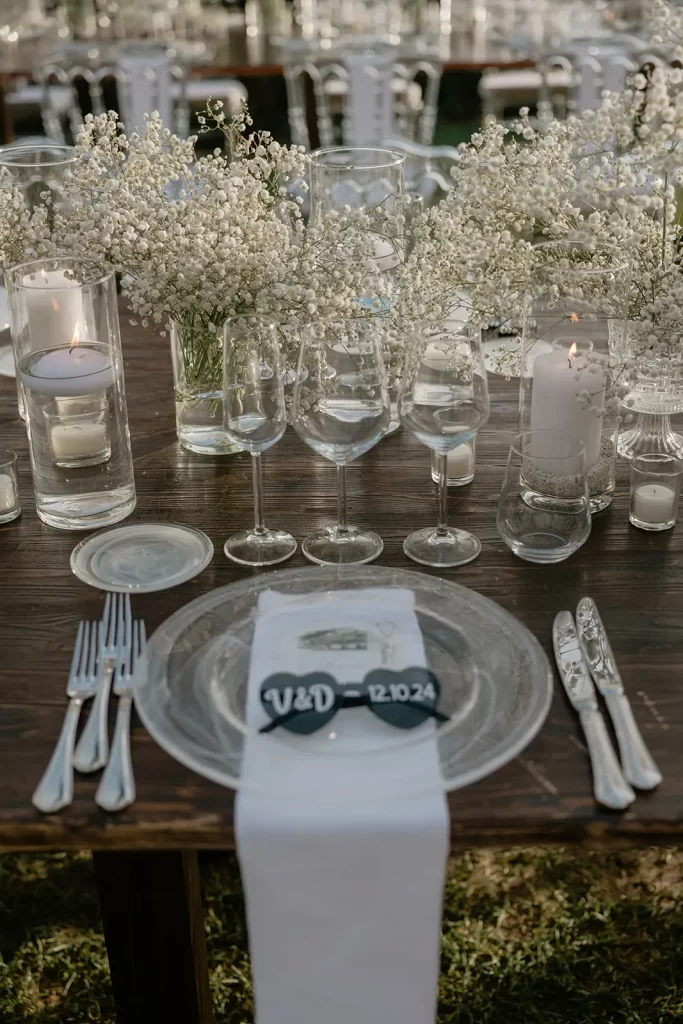
A well-composed photo should guide the eye effortlessly. Look for symmetry, use of natural elements for framing, and clean backgrounds. Details like wedding rings, table settings, and dress close-ups should be artistically captured.


Storytelling Through Images
A wedding album should tell a cohesive story from start to finish. Look for storytelling elements, such as the anticipation of getting ready, the emotions during the ceremony, and the joy of the reception.
Experience with Multicultural Weddings
Many destination weddings in Italy involve couples from different cultures. A photographer with experience in multicultural weddings will be able to capture meaningful traditions and customs with respect and expertise.

Reviews and Testimonials
Past client experiences can tell you a lot about what it’s like to work with a photographer. Look for reviews that mention professionalism, ease of communication, and the overall experience of working together.
Why Local Expertise Matters
Hiring a photographer who knows Italy well can make a significant difference in the overall experience and quality of your wedding photos.
Familiarity with the Best Locations
A local photographer will know the most scenic and hidden gems in your wedding destination. Whether it’s a secluded beach on the Amalfi Coast or a charming alleyway in Florence, they can suggest stunning locations for your portraits.
The Timeless Appeal of Film Photography
Film photography has seen a resurgence in recent years due to its unique, timeless quality. Many couples choose film for its rich colors, soft textures, and nostalgic feel. Unlike digital, film photography adds an artistic depth to wedding images that cannot be replicated with filters.
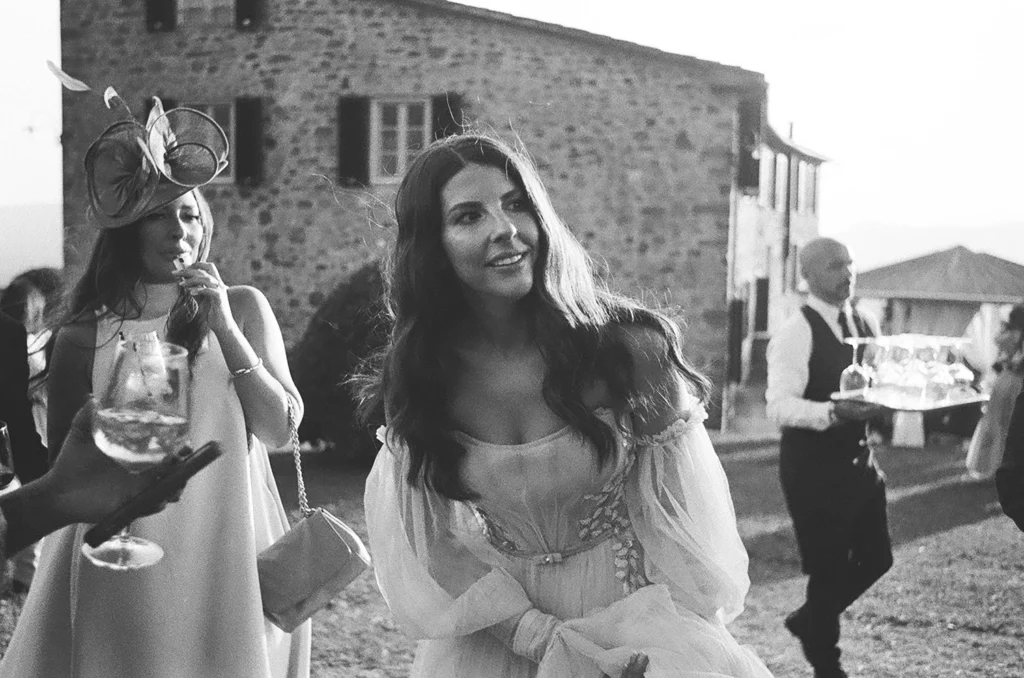
Film offers a romantic, organic quality that beautifully complements the charm of Italian landscapes and historic venues. The grain, color variations, and dynamic range of film create images that feel truly classic and authentic. It also encourages a more thoughtful approach to photography, as film photographers tend to take fewer but more intentional shots, focusing on composition and storytelling rather than rapid-fire captures.
Additionally, film photography works exceptionally well in the soft, golden light of Italy, enhancing the warm tones of its architecture and natural beauty. Whether it’s capturing the glow of a Tuscan sunset or the intricate details of an ancient Roman church, film adds an unparalleled richness to wedding memories. If you are drawn to a timeless aesthetic, discuss with your photographer whether they incorporate film into their work, or if they can offer a hybrid approach that blends film with digital photography for the best of both worlds.
Read also: Why a prewedding shoot in Italy is worth it
The Importance of a Backup Plan
A professional wedding photographer should always have contingency plans in place. This includes having multiple camera bodies, extra lenses, backup memory cards, and multiple battery packs to avoid technical failures. Additionally, data backup is crucial, an experienced photographer will have redundant storage systems, including cloud backups and external hard drives, to ensure your wedding images are safe.
Another critical element of a backup plan is having an assistant or second shooter. In case of illness or unexpected circumstances, a professional will have a reliable backup photographer on standby to ensure seamless coverage of your day.
Finally, unpredictable weather is a common challenge in Italy. A professional will have strategies for working in rain, strong winds, or low-light conditions. Whether it means scouting indoor locations in advance or carrying specialized lighting equipment, an experienced photographer will be prepared to adapt to any situation without compromising on quality.
Read also: Best seasons for wedding photography in Italy
Final Thoughts
Your wedding photographer is one of the most important investments for your Italian wedding. They will document your love story in a way that allows you to relive those moments for years to come. By asking the right questions, reviewing portfolios carefully, and choosing someone with local expertise, you can ensure stunning, timeless wedding photos that capture the magic of your special day in Italy.

If you’re looking for an experienced wedding photographer in Italy who understands the nuances of destination weddings, feel free to reach out. With the right photographer, your wedding photos will not only reflect your love story but also preserve the beauty of Italy as the perfect setting for your special day. Your wedding is a once-in-a-lifetime event, make sure it’s captured by someone who understands your vision and is dedicated to creating a collection of images that you’ll treasure forever.


