
Italy is a dream destination for couples seeking an unforgettable wedding experience. Whether you’re drawn to the charming countryside of Tuscany, the romantic canals of Venice, or the stunning coastal views of the Amalfi Coast, Italy offers an abundance of breathtaking backdrops for your wedding day. But what season should you choose for the most stunning wedding photography?
The answer depends on various factors, including your desired atmosphere, the location, and of course, your photography preferences. In this comprehensive guide, we’ll explore the best seasons for wedding photography in Italy, highlighting the differences between each season and offering tips for capturing the most beautiful moments of your wedding day.


When is the Best Season for Wedding Photography in Italy?
Choosing the best season for your wedding photography in Italy depends on several aspects. From the warm summer months to the quiet, atmospheric winter, each season brings its unique advantages and challenges.
Spring: The Season of Renewal
Spring in Italy, from March to May, is often considered one of the best times for wedding photography. The weather is mild, and the landscapes are lush and vibrant. Flowers are in full bloom, providing an explosion of color that adds beauty and romance to your wedding photos. The countryside is alive with soft greens, and the hillsides are dotted with vineyards, making it a perfect backdrop for elegant, nature-filled wedding portraits.

Pros of Spring for Wedding Photography: Mild temperatures (around 15-20°C) make it comfortable for outdoor shoots. Flowering trees, gardens, and vineyards offer stunning, natural color. The landscapes are lush and green, offering a vibrant and fresh backdrop. Cons of Spring for Wedding Photography: It can be unpredictable, with occasional rain showers. Spring is a popular time for tourists in Italy, which may make certain locations busier than in off-seasons.
Summer: The Peak Wedding Season
Summer, from June to August, is the most popular wedding season in Italy. This period offers long, sunny days, with the warmest temperatures ranging from 25-35°C. The bright blue skies and golden sunlight create stunning, dramatic photos, especially in iconic locations like Rome or the Amalfi Coast. However, this peak season also means that popular venues and locations might be crowded, and prices tend to be higher.
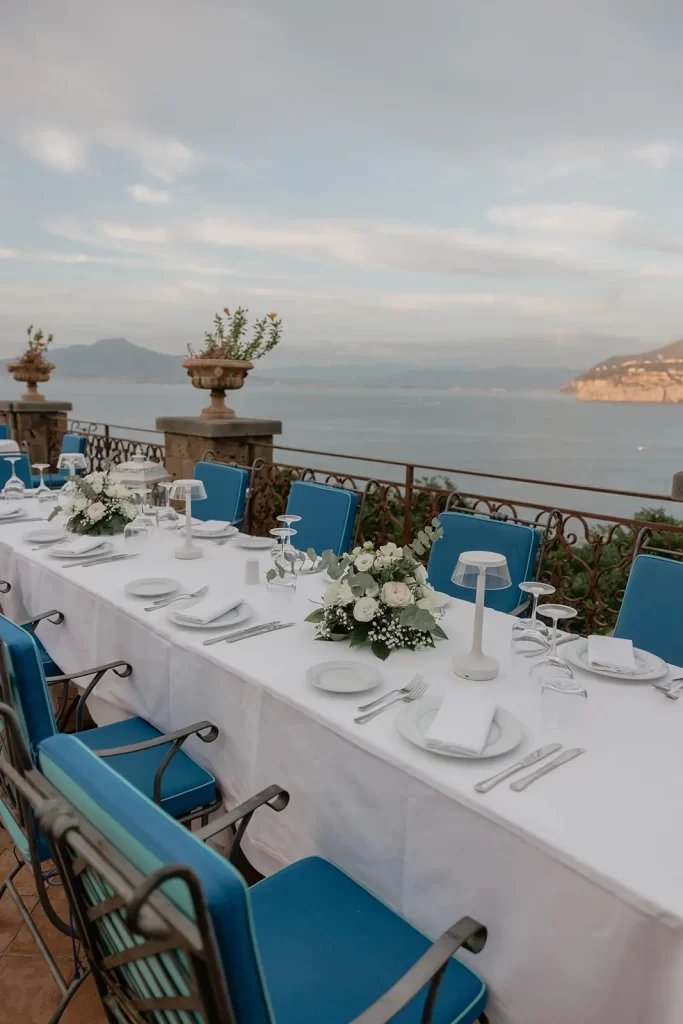

Pros of Summer for Wedding Photography: Beautiful, long days with plenty of sunlight for capturing bright and warm photos. Ideal for beach weddings or outdoor receptions with picturesque views of the Mediterranean. Vibrant landscapes with sunny skies and clear weather. Cons of Summer for Wedding Photography: High temperatures can be uncomfortable, especially during midday. Popular locations are crowded, which might require permits or planning to avoid crowds. Higher costs due to peak tourist season.
Read also: Italy’s hidden gems off the beaten path wedding venues
Autumn: The Golden Season
Autumn in Italy (September to November) is an ideal season for couples seeking a more romantic and serene atmosphere. The weather remains mild, and the landscapes transform into a palette of rich, golden hues. This time of year is perfect for vineyard weddings or capturing the beauty of the Italian countryside as it transitions from summer warmth to cooler fall tones.

Pros of Autumn for Wedding Photography: The golden hues of autumn create a warm and romantic atmosphere for your wedding photos. Temperatures are still comfortable, and the crowds from the summer have thinned out. Less competition for venues and locations, making it easier to secure the perfect spot. Cons of Autumn for Wedding Photography: Weather can become unpredictable, with occasional rain and cooler temperatures in November. The days are shorter, which means you may need to plan your photoshoots earlier in the day.
Winter: The Quiet, Intimate Season
Winter (December to February) is the least popular season for weddings in Italy, but for couples seeking a peaceful, intimate experience, it can be a hidden gem. The chilly temperatures and occasional snow create a magical and serene atmosphere. Venues are less crowded, and you may find more affordable rates for your wedding and photography services.


Pros of Winter for Wedding Photography: Winter light is soft, diffused, and ideal for creating a romantic, intimate feel. Fewer tourists mean less crowded locations and more privacy. Wedding venues and vendors are often more affordable in the off-season. Cons of Winter for Wedding Photography: Shorter daylight hours, requiring careful scheduling for outdoor photos. Cold temperatures, which may not be ideal for outdoor shoots or beach weddings. Limited availability of certain outdoor locations due to weather conditions.
Summer vs. Winter: Seasonal Differences in Lighting and Scenery
One of the most important factors to consider when choosing a season for your wedding photography is the lighting. The lighting in Italy changes dramatically between summer and winter, creating different moods and effects for your photos.
Summer Lighting: Bright and Bold.

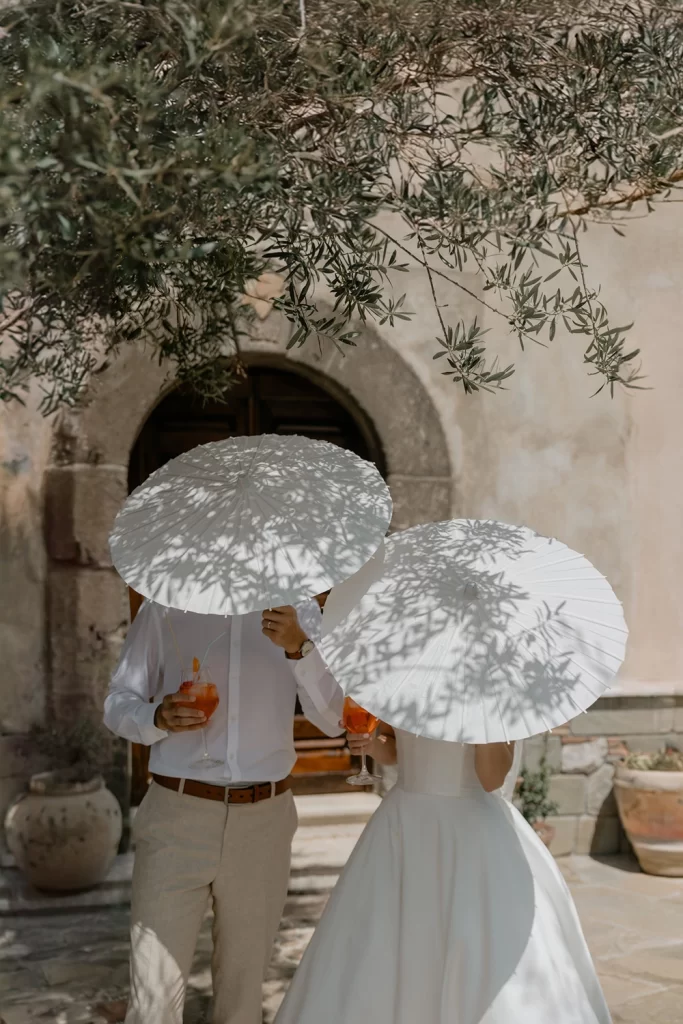
During the summer months, Italy experiences long, bright days, with the sun staying up until late in the evening. This creates vibrant, high-contrast images with a lot of saturation and bold colors. Summer light is perfect for capturing dramatic skies, sparkling waters, and sweeping landscapes, especially during the golden hours of early morning and late afternoon.
However, midday sunlight can be harsh and unflattering, especially in the heat of summer. If you’re planning an outdoor shoot, it’s essential to schedule your photo sessions early in the morning or later in the evening to avoid harsh shadows and overly bright highlights.
Winter Lighting: Soft and Dreamy

In contrast, winter light is much softer and more diffused. The days are shorter, but the light has a magical quality, with soft, pastel tones that lend themselves perfectly to intimate and romantic shots. The cooler months often feature cloud cover, which acts as a natural diffuser for the sunlight, providing even, flattering light for portraits.
Winter’s lower angle of the sun also means that the golden hour (just before sunset) lasts longer, giving you more time to capture stunning, warm-toned images even on colder days.
Read also: Sicily wedding photographer: Cefalu, Taormina, Noto and beyond
Adapting Photography Styles to Each Season
Each season offers unique opportunities for wedding photography, but adapting your photography style to match the season is crucial for achieving the best results.
Spring Photography: Soft and Romantic
In spring, your photos can benefit from soft, pastel tones and plenty of natural greenery. Use wide shots to capture the lush landscapes and blooming flowers, and consider adding a slight vintage touch to your photos to evoke the romantic feeling of spring.
Summer Photography: Bold and Vibrant
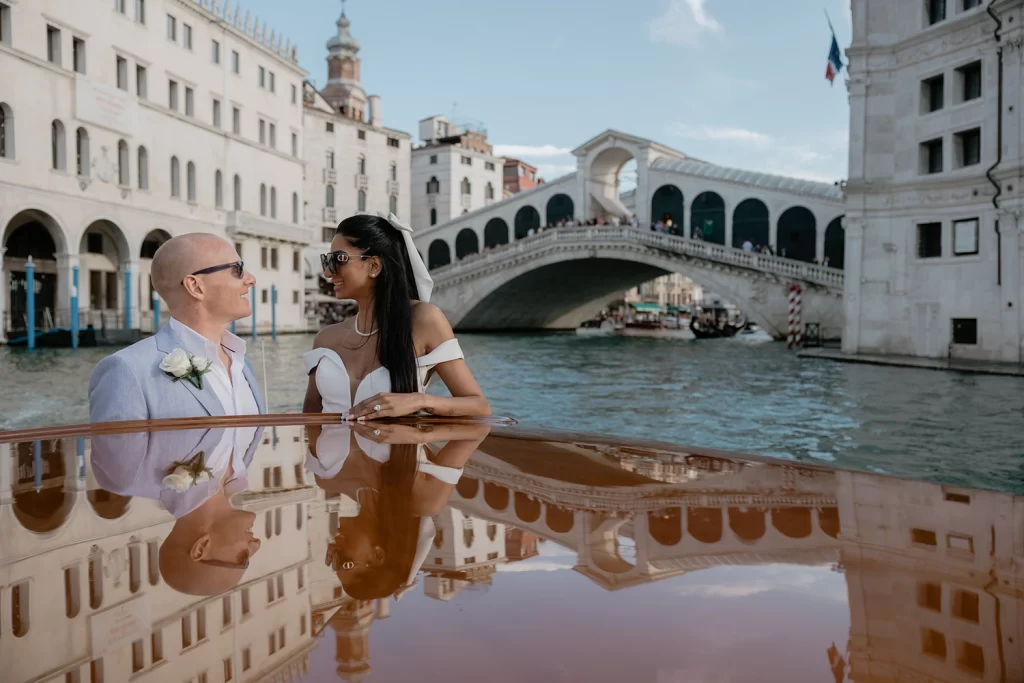
Summer weddings are ideal for bold and vibrant photography styles. Take advantage of the long daylight hours and bright sunlight to create dynamic, high-contrast images. Play with shadows, reflections, and vibrant backdrops to emphasize the energy and liveliness of the season.
Autumn Photography: Warm and Cozy
Autumn is perfect for capturing warm, cozy, and golden-hued photos. Focus on close-up shots that highlight the rich colors of fall foliage, the soft golden light, and the romantic atmosphere. Incorporate rustic or vineyard settings for a genuine fall vibe.
Winter Photography: Intimate and Atmospheric
Winter wedding photography calls for a more intimate, atmospheric style. Soft light, snowy landscapes, and cozy indoor settings provide the perfect backdrop for intimate portraits and emotional moments. Use creative compositions and close-ups to enhance the feeling of warmth and serenity.
Seasonal Wedding Photography Tips

Each season in Italy offers unique opportunities and challenges for wedding photography, and understanding how to work with each can help you create stunning, timeless photos. In spring, while the weather is generally mild, it can be unpredictable, with occasional rain showers. Having a flexible plan is key, especially when planning outdoor shots. The natural beauty of blooming flowers and lush landscapes provides a romantic atmosphere, but it’s important to be prepared to embrace the possibility of rain and adjust your plans accordingly.
In summer, the long, sunny days are perfect for capturing bright and vibrant photos, but the heat and harsh midday light can be challenging. It’s best to schedule your photo sessions during the early morning or late evening to avoid the harshest light, taking advantage of the soft, golden glow of sunrise and sunset. Summer can also mean crowded locations, so choosing less-touristy spots for your photos may help you capture more intimate moments away from the crowds. Staying hydrated and protecting your skin from the sun’s rays are essential during this time of year, ensuring both you and your photographer remain comfortable throughout the day.
Read also: 6 Tips for a memorable wedding ceremony in Italy
Autumn brings its own set of advantages with cooler temperatures and breathtaking golden hues that create a romantic and cozy atmosphere. The shorter days mean you’ll need to plan your photo sessions earlier, but the richness of the fall colors provides a stunning backdrop for intimate, warm-toned photographs. Layering up for warmth is important, especially as the season progresses and temperatures drop. The vibrant colors of the season offer a perfect chance to capture the essence of Italy’s countryside and vineyards, adding depth and texture to your photos.
Winter wedding photography, while less common, offers a peaceful and intimate atmosphere. The soft winter light is ideal for creating dreamy and atmospheric shots. While outdoor photography might be limited by colder temperatures and potential snow, indoor venues with fireplaces or cozy, rustic settings can provide an ideal backdrop. To make the most of the limited daylight, early planning is essential, as the sun sets early in the winter months. The quiet, serene landscapes provide a unique opportunity for intimate portraits, and the cooler weather encourages closeness between the couple, enhancing the feeling of warmth and intimacy in the photos.


In all seasons, the key is to embrace the unique elements of each, whether it’s the vibrant landscapes of spring and summer or the cozy atmosphere of fall and winter. By adapting to the season’s characteristics and working with a skilled photographer who understands the nuances of light and location, you can create wedding photos that beautifully capture the essence of your special day in Italy.
Conclusion
The best season for wedding photography in Italy depends on your personal preferences, the type of wedding atmosphere you want to create, and the locations you plan to visit. Each season offers its unique charm, from the lush, colorful landscapes of spring to the golden tones of autumn and the intimate, cozy feel of winter.
Ultimately, Italy’s beauty shines throughout the year, and with the right planning and an experienced wedding photographer by your side, you can ensure that your wedding photos are as unforgettable as your special day. By understanding the advantages and challenges of each season, you can select the perfect time for your Italian wedding and create memories that will last a lifetime.


