
Italy is a dream wedding destination for couples from around the world. With its breathtaking landscapes, historic cities, and romantic atmosphere, it offers an unrivaled backdrop for wedding photography. Whether you envision saying “I do” in a Renaissance palace, a cliffside villa, or a sun-kissed vineyard, Italy has the perfect setting for your special day. In this guide, we explore the most photogenic wedding locations, from famous landmarks to hidden gems, ensuring that your wedding photos capture the magic of Italy.

Read also: Budgeting for a destination wedding in Italy: photography and more
The Most Photogenic Wedding Locations in Italy
Italy boasts a diverse range of wedding locations that provide stunning photographic opportunities. From the rolling hills of Tuscany to the dramatic cliffs of the Amalfi Coast, each region has its own unique charm.
Tuscany: Rolling Hills and Timeless Elegance
Tuscany is one of the most sought-after destinations for wedding photography. Its picturesque landscapes, golden fields, and historic villas provide the perfect setting for a romantic wedding shoot. Imagine capturing your love story in:
- Florence: With its Renaissance architecture, charming streets, and stunning views from Piazzale Michelangelo, Florence offers a mix of historic grandeur and intimacy.
- Siena: The medieval town of Siena, with its cobbled streets and Gothic cathedral, creates a dramatic and romantic setting for wedding photos.
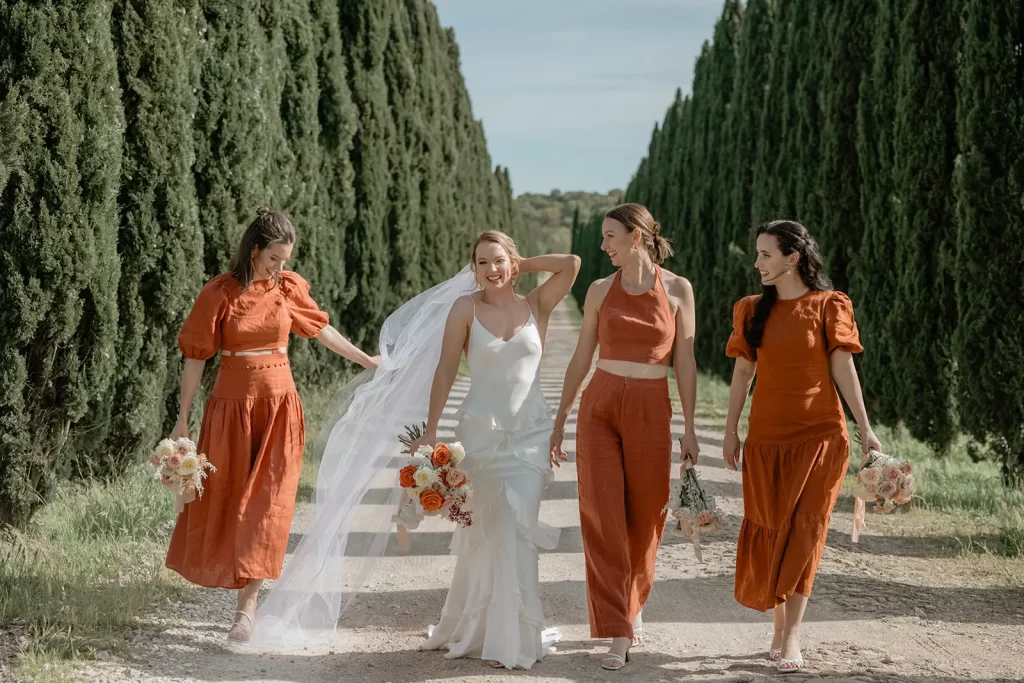
- Val d’Orcia: This UNESCO World Heritage site is famous for its rolling green hills, cypress-lined roads, and idyllic vineyards, making it a perfect backdrop for rustic yet elegant wedding photography.
Amalfi Coast: Cliffside Romance and Seaside Beauty
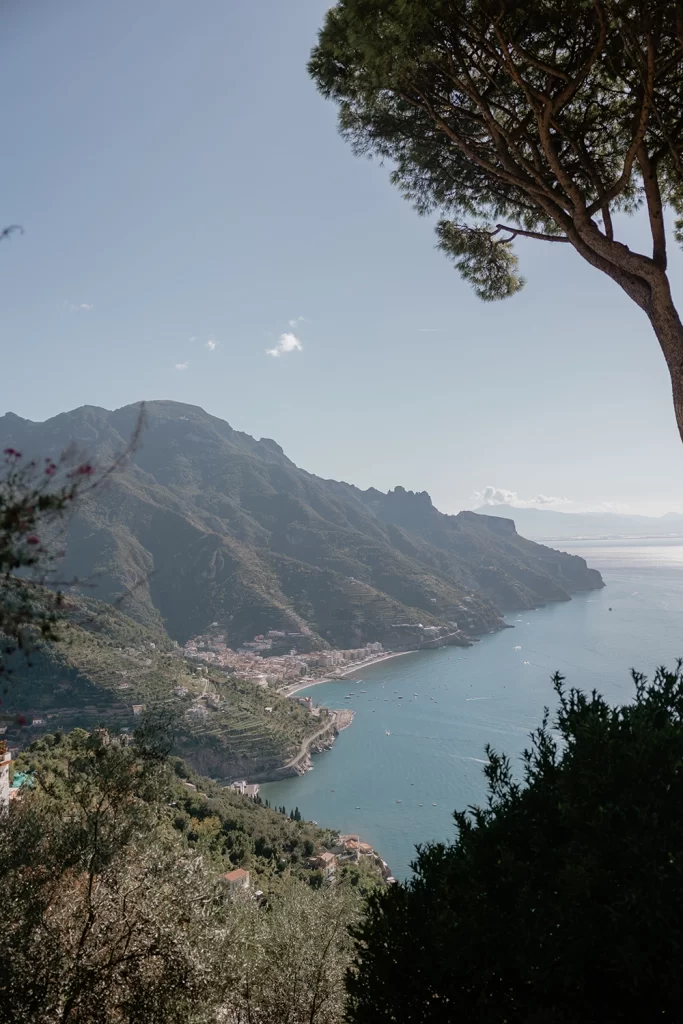
The Amalfi Coast is synonymous with luxury, romance, and breathtaking scenery. Its dramatic coastline, colorful villages, and spectacular sea views make it a top choice for couples who want an unforgettable wedding album.
- Positano: With its pastel-colored houses cascading down to the sea, Positano is one of the most iconic wedding locations in Italy.
- Ravello: Perched high above the coastline, Ravello offers a more secluded and serene setting with stunning views from Villa Cimbrone and Villa Rufolo.
- Amalfi: The town of Amalfi, with its historic cathedral and charming streets, provides a mix of cultural heritage and seaside charm.
Lake Como: Sophisticated and Elegant
Lake Como has long been a favorite among celebrities and couples looking for an exclusive wedding location. The lake’s crystal-clear waters, elegant villas, and lush gardens create a dreamy setting for wedding photography.
- Villa Balbianello: One of the most famous wedding venues on Lake Como, Villa Balbianello boasts breathtaking terraces overlooking the lake.
- Bellagio: Known as the “Pearl of Lake Como,” Bellagio is a picturesque town with charming streets and stunning lake views.
- Varenna: A quieter but equally beautiful option, Varenna offers a romantic atmosphere with its historic charm and waterfront scenery.


Sicily: A Blend of History and Natural Beauty
Sicily’s rich history and diverse landscapes make it an extraordinary wedding destination. From Baroque cities to pristine beaches, Sicily offers a wide range of stunning photography locations.
- Taormina: Overlooking the Ionian Sea, Taormina is famous for its ancient Greek theater, stunning views of Mount Etna, and charming streets.
- Noto: This UNESCO-listed Baroque town provides a unique and elegant setting for wedding photography.
- Scala dei Turchi: These white limestone cliffs by the sea create a striking contrast with the turquoise waters, making for breathtaking wedding photos.
Read also: How to compare wedding photographers for Italy weddings online
Why Venice, Florence, and Rome Are Perfect Backdrops
Some of Italy’s most iconic wedding photos are captured in its world-renowned cities. Here’s why Venice, Florence, and Rome are among the best locations for wedding photography:
Venice: The City of Love and Canals
Venice is one of the most romantic cities in the world. Its labyrinth of canals, historic palaces, and timeless charm create an unparalleled wedding photography setting.
- St. Mark’s Square: Capture classic wedding portraits in front of the grand Basilica and Doge’s Palace.
- Gondola Rides: A ride through Venice’s canals offers intimate and dreamy photo opportunities.
- Rialto Bridge: One of Venice’s most famous landmarks, providing a stunning backdrop for romantic moments.
Venice’s light is unlike any other city in Italy. Because it bounces off the water on all sides, it wraps around subjects in a way that ground-level light in other cities never does. This makes Venice exceptionally forgiving to photograph in, even harsh midday sun becomes manageable when it reflects off the canals. The Rialto Bridge and Piazza San Marco are the obvious starting points, but the most interesting images often come from moving away from them.
Burano, with its intensely coloured houses reflected in the still water of the lagoon, provides a backdrop that is unmistakably Venetian but entirely different from the main island. Torcello, largely deserted and covered in grass and Byzantine ruins, gives an atmosphere of complete solitude that is impossible to find in central Venice. For winter weddings, the fog that rolls off the lagoon in November and December adds an ethereal, dreamlike quality to every frame. It is not a compromise for shooting in the off-season, it is a completely different and often more interesting visual environment.

Florence: The Artistic Heart of Italy
Florence, the birthplace of the Renaissance, is a city filled with artistic and architectural masterpieces. Every corner of Florence tells a story, making it perfect for wedding photography.
- Ponte Vecchio: The historic bridge over the Arno River creates a picture-perfect setting.
- Boboli Gardens: These stunning gardens behind the Pitti Palace provide a lush and elegant backdrop.
- The Duomo: Florence’s iconic cathedral adds grandeur and timeless beauty to wedding photos.
Florence is one of the most photographed cities in the world, which means the challenge is finding angles that feel genuinely personal rather than familiar. The Duomo and Ponte Vecchio are extraordinary and worth including, but the images that tend to stand out are the ones taken from less obvious positions. The Bardini Gardens, less visited than the Boboli Gardens next door, offer a terraced perspective over the city rooftops that is unusually intimate for a viewpoint so close to the centre. Piazzale Michelangelo is popular for good reason, but arriving at sunrise before the coaches do transforms it into something completely different.
Indoors, Florence offers opportunities that no other Italian city matches. The Palazzo Pitti and the Uffizi courtyard provide grand architectural frames for portraits. The city’s artisan workshops; leather, paper, jewellery, offer a connection to Florentine culture that adds meaning and context to a shoot. For the couple portraits, the streets of Oltrarno, south of the Arno, combine beautiful light with an unhurried pace that makes people relax in front of the camera in a way that the more tourist-heavy north bank rarely allows.
Rome: The Eternal City of Romance
Rome is a city where history and romance intertwine, offering countless breathtaking photography locations.
- The Colosseum: A dramatic and iconic backdrop for wedding portraits.
- Trevi Fountain: Toss a coin and make a wish while capturing a classic wedding moment.
- The Spanish Steps: A romantic and picturesque location for elegant wedding photography.
Rome offers something that few Italian cities can match: the ability to shoot at any hour of the day and find a completely different city. During the day, the Colosseum, the Roman Forum, and Palatine Hill provide a sense of historical scale that makes couple portraits feel genuinely cinematic. In the evening, the city transforms. The Pantheon, Castel Sant’Angelo, and the bridges over the Tiber are beautifully illuminated, and the light that bounces off ancient stone at dusk is unlike anything else in Italy.
For couples who want to avoid the tourist crowds, Rome’s lesser-known neighborhoods offer extraordinary alternatives. Trastevere, with its narrow alleys, ivy-covered walls, and candlelit trattorias, provides an intimate atmosphere that the more famous landmarks cannot. The Aventine Hill, with the Orange Garden overlooking the city and the keyhole view of St. Peter’s dome, is one of the most quietly spectacular spots in Rome for photography. Seasonal moments add another layer, spring cherry blossoms in Villa Borghese, holiday lights in Piazza Navona in December, the particular quality of early morning light in an empty Piazza Navona before the city wakes.


Read also: Villa Aurelia, the perfect wedding venue in Rome
Hidden Gems for Unique Wedding Photography
For couples looking for something off the beaten path, Italy is full of hidden gems that offer breathtaking photo opportunities.
- Civita di Bagnoregio: A medieval town perched atop a hill in Lazio, offering dramatic views and an old-world charm.
- Portovenere: Often overshadowed by Cinque Terre, this coastal town boasts colorful houses, dramatic cliffs, and a picturesque harbor.
- Pienza: A small but incredibly scenic village in Tuscany, known for its harmonious Renaissance architecture and panoramic views.
- Marzamemi: A quaint fishing village in Sicily with a charming piazza and sea views, perfect for an intimate wedding shoot.
The Pisan Hills — Authentic Tuscany Away from the Tourist Circuit
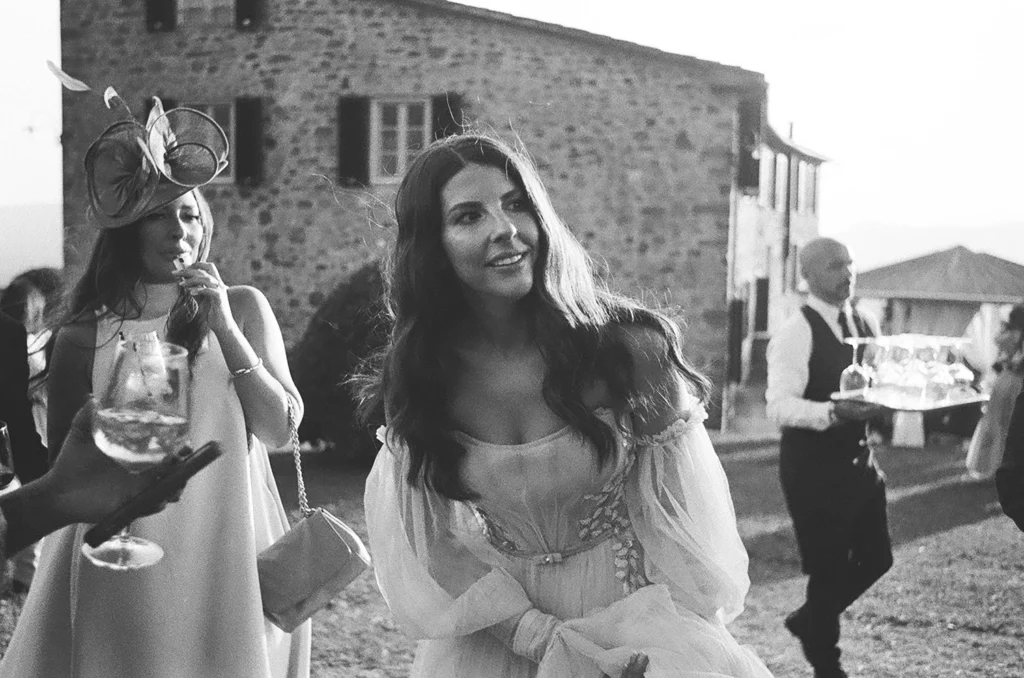
The Pisan hills, the stretch of countryside between Volterra and the Tyrrhenian coast, are one of the most genuinely rural and least visited parts of Tuscany. Where the Val d’Orcia and Chianti have become well-known destinations on the international wedding circuit, this corner of the region retains the quality of agricultural Tuscany that the more famous areas have gradually lost. The landscape is defined by working farms, olive groves, and the long views across the hills that feel entirely private because very few photographers have worked here extensively.
Podere San Giorgio in Palaia is one of the most beautiful venues in this part of Tuscany, a restored farmhouse complex with warm terracotta brick, a long outdoor dinner table, and a panoramic view of the surrounding hills that produces some of the most authentically Tuscan images I have made anywhere in the region. For couples who want the Tuscan landscape without the crowds and the familiarity of the better-known destinations, the Pisan hills are worth serious consideration.
Capturing the Beauty of Italy’s Historic Architecture
Italy’s rich history is reflected in its stunning architecture, which provides a timeless backdrop for wedding photography. From grand palaces to rustic stone villages, these architectural wonders add depth and elegance to wedding photos.
- Medieval castles: Locations like Castello di Vincigliata (Tuscany) and Castello Odescalchi (Lazio) offer a regal atmosphere.
- Renaissance villas: Villa Balbianello on Lake Como and Villa Cimbrone on the Amalfi Coast exude romance and sophistication.
- Ancient ruins: The ruins of Pompeii or the Greek temples of Agrigento add a dramatic touch to wedding portraits.
Read also: Top 10 romantic wedding venues in Italy
Coastal vs. Countryside: Which Location Fits Your Style?
Choosing the perfect setting for your dream wedding or even a serene getaway often boils down to one major decision: coastal or countryside? Each location offers a unique charm, atmosphere, and experience, making the choice deeply personal. While the coastline presents the endless horizon, salty breezes, and the rhythmic sound of waves, the countryside boasts rolling green hills, tranquil forests, and an intimate connection with nature. So, how do you determine which location truly aligns with your style and preferences? Let’s explore the distinct characteristics of each and find out which resonates most with your vision.
The Coastal Appeal: A Love for the Ocean
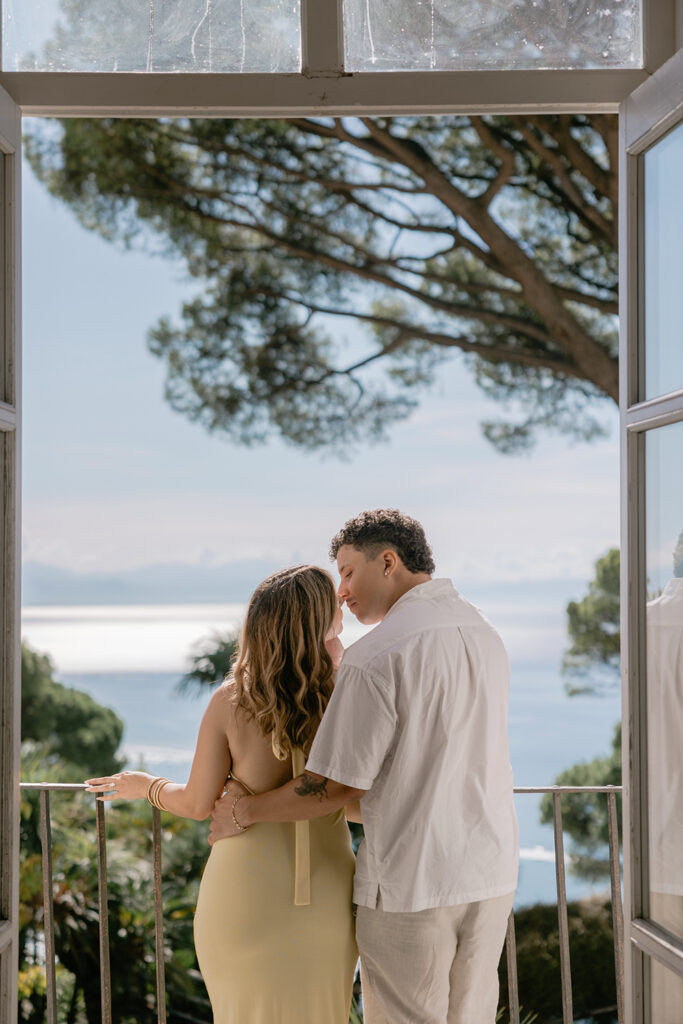
If your heart flutters at the thought of barefoot walks on soft sand and the golden hues of a sunset melting into the horizon, a coastal setting might be your calling. Coastal locations exude romance and relaxation, making them a top choice for weddings, honeymoons, and peaceful retreats. Here’s what makes the coast an irresistible option:
- Breathtaking Scenery: From dramatic cliffs to serene white sandy beaches, coastal landscapes provide stunning backdrops for photography and unforgettable moments.
- Relaxed Atmosphere: The soothing sound of waves and fresh sea air contribute to a laid-back and rejuvenating environment, ideal for unwinding.
- Versatile Wedding Aesthetics: Whether you envision an elegant beachfront ceremony, a nautical theme, or a bohemian sunset celebration, the coast offers versatility in decor and styling.
- Mild Climate: Many coastal areas benefit from moderate temperatures year-round, making them a comfortable choice for outdoor events.
- Adventure and Activities: Snorkeling, sailing, and seaside dining add an element of excitement for guests who appreciate an active lifestyle.
However, coastal weddings and stays do come with some challenges. The unpredictability of weather, high humidity, and the potential for strong winds require careful planning. Additionally, the popularity of coastal venues can make them more expensive and harder to book during peak seasons.
Read also: What makes a wedding photographer in Italy truly destination ready


The Countryside Charm: A Rustic and Intimate Escape
For those who find peace in the rustling leaves of ancient trees, the charm of a countryside retreat might be more appealing. Countryside weddings and getaways offer an escape from the hustle and bustle, creating a space for tranquility and romance. Here’s why the countryside could be your ideal choice:
- Natural Beauty and Privacy: Rolling meadows, vineyards, and enchanted woodlands set the stage for intimate and picturesque experiences, far from the crowds.
- Quaint and Cozy Atmosphere: Whether it’s a charming barn, a historic estate, or a cottage surrounded by blooming fields, the countryside provides warmth and authenticity.
- Seasons in Full Bloom: Unlike coastal settings, which tend to maintain a more stable climate, countryside locations transform beautifully through the seasons, offering unique aesthetics year-round—from spring blossoms to golden autumn foliage.
- Farm-to-Table Delights: Many countryside venues feature fresh, locally sourced ingredients, giving you and your guests a true taste of the region’s culinary richness.
- Customizable Spaces: With vast open spaces and rustic settings, countryside locations offer greater flexibility for unique wedding themes and outdoor activities.
On the flip side, countryside locations may require more logistical planning, especially for guests traveling from far away. Weather conditions such as unexpected rain can also pose a challenge, requiring contingency plans like tented receptions or indoor alternatives.

Which One Matches Your Personality?
Your ideal setting largely depends on your personality, lifestyle, and the type of experience you want to create. Here’s a quick breakdown to help you decide:
- You might prefer the coast if:
- You love the sound of waves and the sight of the open sea.
- You envision a light, breezy, and elegant event.
- You enjoy water activities and coastal adventures.
- You’re drawn to a relaxed yet sophisticated ambiance.
- You might prefer the countryside if:
- You love lush greenery, vineyards, or charming rustic settings.
- You want an intimate, cozy, and timeless atmosphere.
- You appreciate the beauty of changing seasons.
- You value peace, seclusion, and natural surroundings.
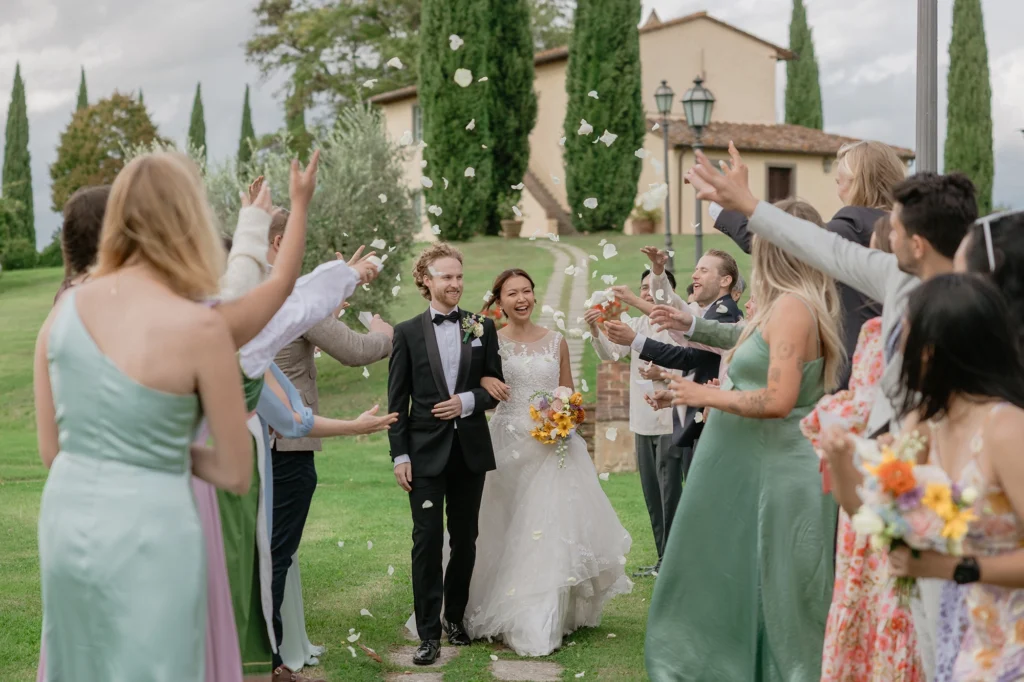
Finding the Perfect Balance
What if you love aspects of both? The good news is that many destinations offer the best of both worlds. Some countryside locations are just a short drive from the coast, allowing you to incorporate both environments into your experience. Likewise, some coastal regions have rolling hills and forests nearby, giving you the option to blend elements of nature with a seaside escape.
Ultimately, whether you choose the coast or the countryside, the most important thing is that the setting reflects your personal style and creates an atmosphere where you feel truly at home. Both locations offer their own magic—it’s just a matter of deciding which speaks to your heart the most.
Conclusion
Italy offers an endless array of breathtaking locations for wedding photography, from its world-famous cities to its hidden countryside gems. Whether you choose the romance of Venice, the elegance of Lake Como, or the rustic charm of Tuscany, your wedding photos will be a timeless testament to your love story. No matter your style or vision, Italy provides the perfect backdrop for capturing memories that will last a lifetime. By selecting the right location, you ensure that your wedding photos reflect not just your love, but the beauty and magic of one of the world’s most enchanting countries.


